


Improved
6112 HealthChanged
3786 LivesSaved
3568 Lives0 lives impacted in the last 24 hrs Learn More
Chemotherapy is a common treatment for killing tumorous masses. Chemotherapy is an effective treatment because the chemotherapeutic drugs impair mitosis (cell division), effectively killing most fast dividing cells. Since tumors are composed of cells with unregulated cell growth, this serves as a very effective treatment. However, tumors are not the only fast growing cells in the body. A common side-effect of chemotherapy is the lost of a patient’s hair, another source of fast growing cells. The nails are also composed of rapidly dividing cells, and will typically suffer too.
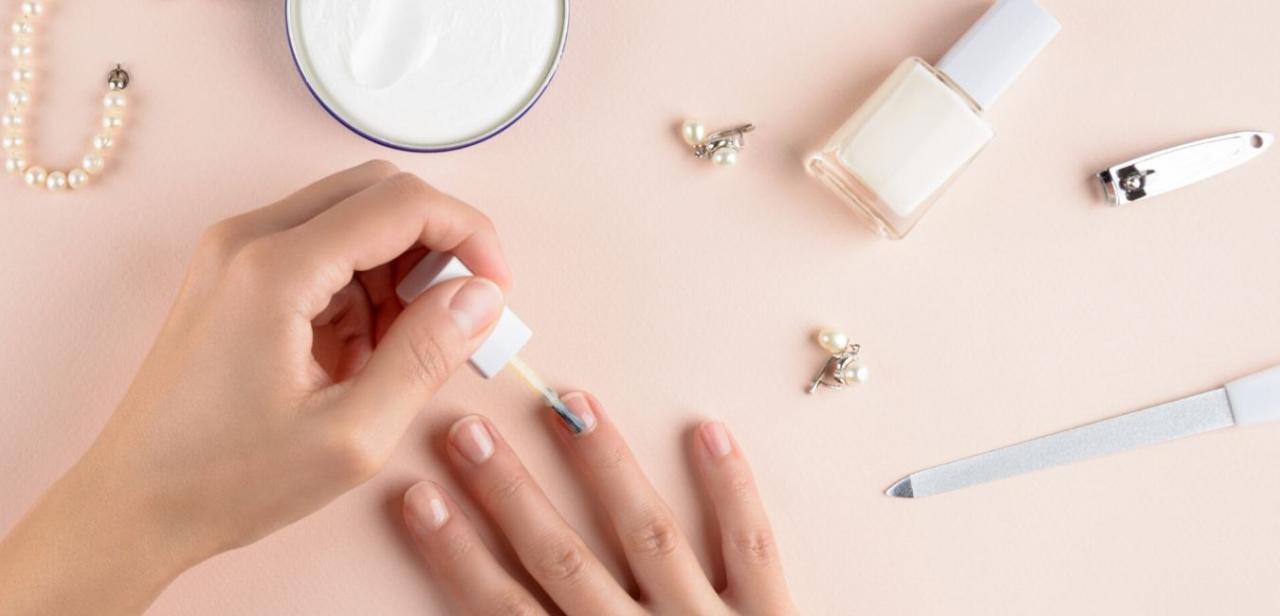
A chemotherapy patient may notice that the pigment of his or her nails begins to change. Nails can become discolored as the nail root cells are killed by the chemotherapeutic drugs. These dead cells are pushed out as new nail root cells are produced, leaving discoloration in the nail. The effect of chemotherapy on the nails effects keratin production, the protein that gives nails their strength and rigidity. The effect on keratin can cause nails to become brittle and prevent nails from growing long. The nail bed may also become dry, and the cuticles may begin to peel. In some cases, the nail may separate from the nail bed. Nail damage is a common side effect of the taxane group of chemotherapy drugs (docetaxel, pacitaxel, and anthracyclines). These drugs stop mitosis, which means stopping the growth of tumors and fast dividing cells.
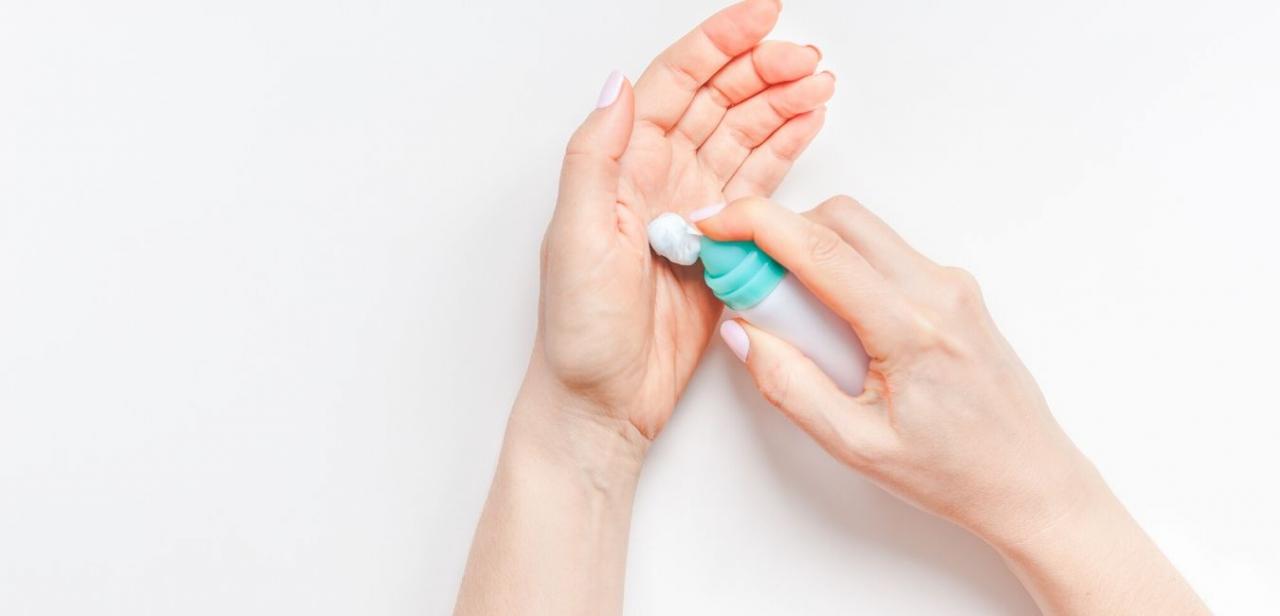
While these side-effects can be unpleasant, it is important to remember that these effects are also reversible. While it may take some time following treatment, it is rare that nails will not return to their original appearance. Nail cells are fast growing, and when no longer inhibited by chemotherapeutic drugs, will resume normal growth. For chemotherapy patients, proper nail protection is important. Nails provide primary protection from infection, and maintaining this protection is important. Protecting the skin and nails with gloves and limiting the use of hands can prevent damaging fragile nails. Use of light gardening gloves can prevent worsening of nail lifting and keep fragile nails from breaking. Use of a thick moisturizing cream on the nails and nail bed three to five times per week can promote healthy cuticles and encourage cell growth. Artificial nails should be avoided, as this can increase the risk of fungal infection. Professional manicures should also be avoided, as non-sterile instruments can result in infection. If further complications are noticed, contact your doctor immediately.
References:
1) http://www.breastcancer.org/tips/hair_skin_nails/nails.jsp
2) http://cancer.about.com/od/chemotherapysideeffects/a/nailcare.htm
3) http://www.cancercare.msu.edu/patients-caregivers/symptoms/nail-changes.htm
Chris Gromisch is a Junior Chemistry major at Trinity college.
Add a Comment1 Comments
Sorry, but I do not agree that nail effects after chemotherapy are reversible. My nails were fine prior to chemo for breast cancer. After 4 cycles of AC and 4 cycles of Taxol, completed 14 years ago, I can barely grow my nails longer than the end of my finger. They are weak, then, and prone to ridging, splitting, and tearing. It is embarrassing as a professional woman to have nails that look this bad. It can also be painful to have nails that are constantly down to the quick. I cannot believe no one is talking about or addressing this problem. Any oncologists, etc. that I ask about this problem just shrug it off.
July 31, 2014 - 8:05pmThis Comment