


Improved
6112 HealthChanged
3786 LivesSaved
3568 Lives0 lives impacted in the last 24 hrs Learn More

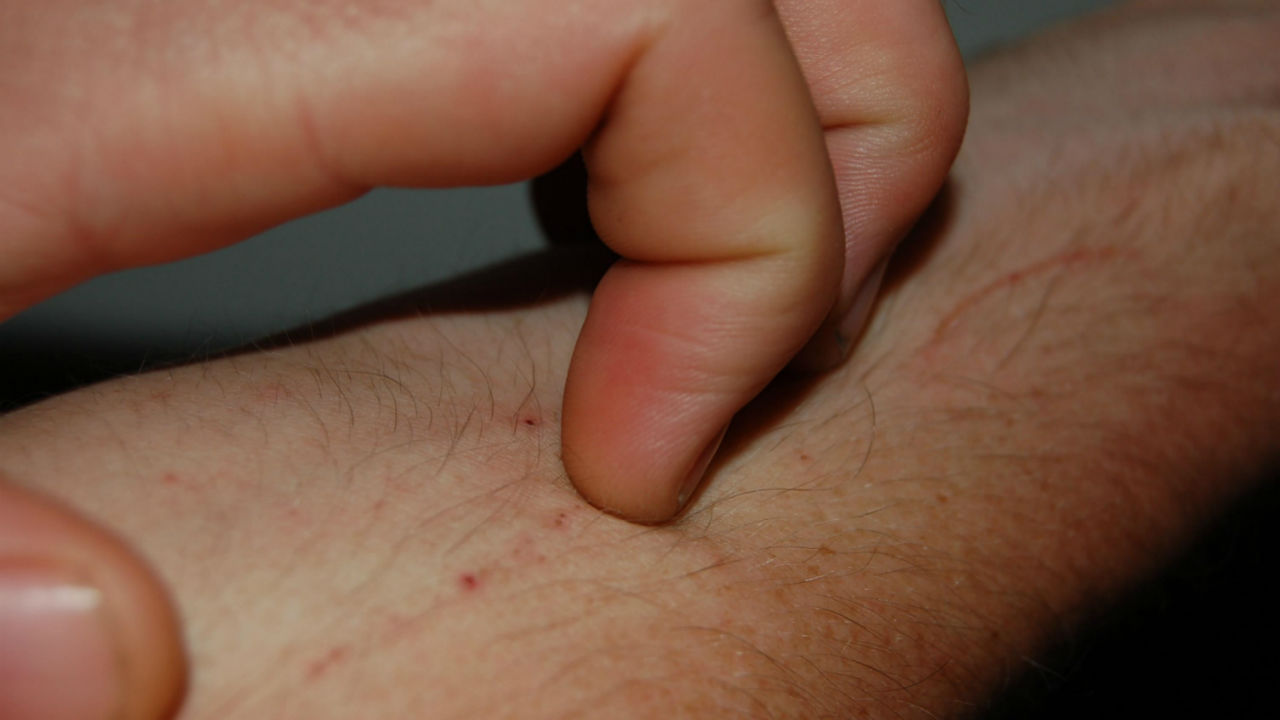
Imagine an itch you couldn’t stop scratching. For patients suffering from neurodermatitis, this is a reality. Neurodermatitis, also known as lichen simplex chronicus or scratch dermatitis, is a skin condition developing from a patch of itchy skin. As the condition develops, patients experience chronic itching or scaling, causing the skin to become thick and leathery. While the condition is not serious, it is a nuisance, provoking scratching without relief. Irritated skin becomes itchier, eventually causing the patient to scratch out of habit. Now normally, scratching is a normal bodily response, produced by a voluntary scratch reflex in response to stimulus. However, this condition affects the nerve endings in the skin, causing chronic irritation. What causes this condition is unclear, but patients have experienced this condition following bug bites or irritation from tight clothing. Neurodermatitis can be associated with dry skin, eczema, or psoriasis as well.
Patients suffering from neurodermatitis typically experience chronic itchiness at a single skin region. These patches of itchy skin typically appear on the forearm, thigh, ankle, neck, or wrist, but can also affect the genital regions, such as the scrotum or vulva. As the condition develops, the outer layer of skin may appear scaly or leathery in texture, while some regions may appear raised, rough, and discolored (either red or darker than the surrounding skin). While the sensation of itchiness can fluctuate, most patients become conditioned to habitually scratch afflicted areas. Should you notice that a specific region provokes constant scratching, such that it impedes or inhibits daily activity, you should contact a physician immediately. Constant scratching can lead to infection, which can be identified by the presence of fluid or elevated pain. Neurodermatitis can appear on regions affected by atopic or contact dermatitis as well as areas affected by psoriasis.
Treatment of neurodermatitis focuses on treating the irritation and helping the patient stop scratching the affected area. Use of topical corticosteroids can help reduce inflammation and irritation while topical keratolytic can be used to reduce skin thickening. If the skin has become infected, then topical or oral antibiotics may be prescribed. Some patients experience anxiety or have difficulty sleeping as a result of this disorder. In this case sedatives or tranquilizers may be used to help calm patients. Following treatment, it is recommended that patients apply ice to areas rather than scratching, cut their fingernails short, avoid wool or tight fitting clothing, and follow specific bathing guidelines.
Neurodermatitis is not a serious condition, but it can impede normal daily functions. Individuals who are at risk are those who have a family history of skin conditions. Middle-aged individuals are at a higher risk, as are women. If you notice a prolonged, uncomfortable itch on any part of the body, contact a physician as soon as possible.
References:
1) http://www.mayoclinic.com/health/neurodermatitis/
2) http://www.skincarephysicians.com/eczemanet/neurodermatitis.html
Chris Gromisch is a Junior Chemistry major at Trinity college.
Add a Comment1 Comments
Hi there, this is an interesting blog. I used to suffer from severe Neurodermitis symptoms. After 4 years I discovered a way to get rid of the suffering in a short time without any drugs or cremes. I do offer a 10 day program and I do guarantee the results. www.apsolvo.com
This is real and not a scam.
Guido
August 1, 2011 - 12:33pmThis Comment