


Improved
6112 HealthChanged
3785 LivesSaved
3568 Lives0 lives impacted in the last 24 hrs Learn More

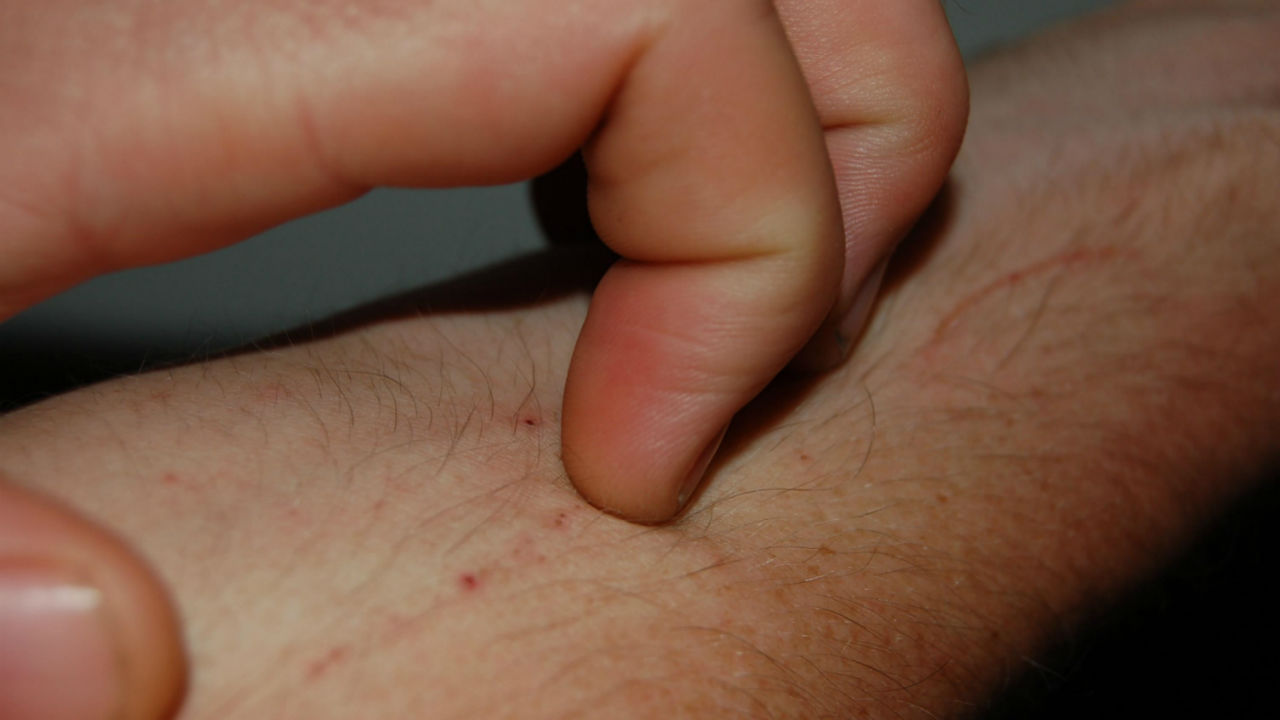
Tattoos may be popular, but there can be serious risks associated with getting one. Some individuals may develop an allergic reaction to the dyes used in the tattooing process. The dyes used in intradermal tattoos are considered cosmetics and the pigments are regulated as color additives requiring premarket approval under the Federal Food, Drug, and Cosmetic Act. However, despite the means of regulation, tattoo dyes and inks are rarely regulated by the U.S. Food and Drug Administration. According to the FDA's website, the “FDA is aware of more than 150 reports of adverse reaction in consumers to certain make-up ink shades." Allergic individuals can develop itchy rashes on the affected area. These tattoos can develop even years after getting the tattoo.
Some individuals may develop skin infections following tattooing. Local bacterial infections can result from puncturing the skin with a tattooing needle. These infections can develop as swelling, pain, redness, or pus-like drainage in the affected site. Grandulomas, small inflamed areas resulting from tissue damage, can develop around tattoo ink, especially red ink. Some tattoos can cause swelling or burning during MRI exams, and may even affect the quality of MRIs. The most serious problem associated with tattoos is the development of blood borne diseases. Contaminated equipment (exposed to the blood of other individuals) can spread such diseases as hepatitis B, hepatitis C, tetanus, and HIV.
Some individuals may need medication to treat certain allergic reactions, skin problems, or infections. In certain cases, the tattoo might need to be removed to prevent further skin problems. When getting a tattoo, it is important to go to a reputable tattoo parlor or studio. The risk of infection or skin damage can be reduced by having the procedure done by properly trained individuals. If you are concerned with a studio’s reputation, check the local health department for information on regulations and licensing. It is important that proper equipment is used, and that the equipment is either disposable or sterilized if it is nondisposable.
Following the procedure, it is important to take care of the affected area. The new tattoo should remain bandaged for 24 hours. Once the bandage has been removed, it is important to clean the area with plain soap and water, cleaning gently and avoiding rubbing. Apply antibiotic ointment to the tattooed skin during the healing process. Keeping the skin moisturized can help the skin recover, and avoiding sun exposure for at least the first few weeks can prevent damage to the fragile skin. Do not wear clothing that will stick to the tattoo, nor should the affected skin be irritated or picked. The skin should have at least two weeks to heal. Should the tattoo become infected (with any of the above symptoms) schedule an appointment with a physician.
References:
1) http://www.fda.gov/cosmetics/productandingredientsafety/productinformation/ucm108530.htm
2) http://www.mayoclinic.com/health/tattoos-and-piercings/MC00020/
Chris Gromisch is a Junior Chemistry major at Trinity College.
Add a CommentComments
There are no comments yet. Be the first one and get the conversation started!