




Improved
6112 HealthChanged
3786 LivesSaved
3568 Lives0 lives impacted in the last 24 hrs Learn More
Intertrigo is a common skin condition resulting from inflammation of the skin folds. Intertrigo is generally caused by friction between two skin surfaces, but can also result from (and be aggravated by) maceration, friction, lack of air circulation, moisture, and heat exposure (1).
Intertrigo can range from diaper rash in children to adult conditions on cutaneous or muco-cutaneous surfaces on natural and obese body folds (2). Appearance of intertrigo is common on the inframammary, groin, and axillae folds, but may also affect the neck creases, folds of the eyelids, antecubital fossae, umbilical, interdigital, and perineal areas (2).
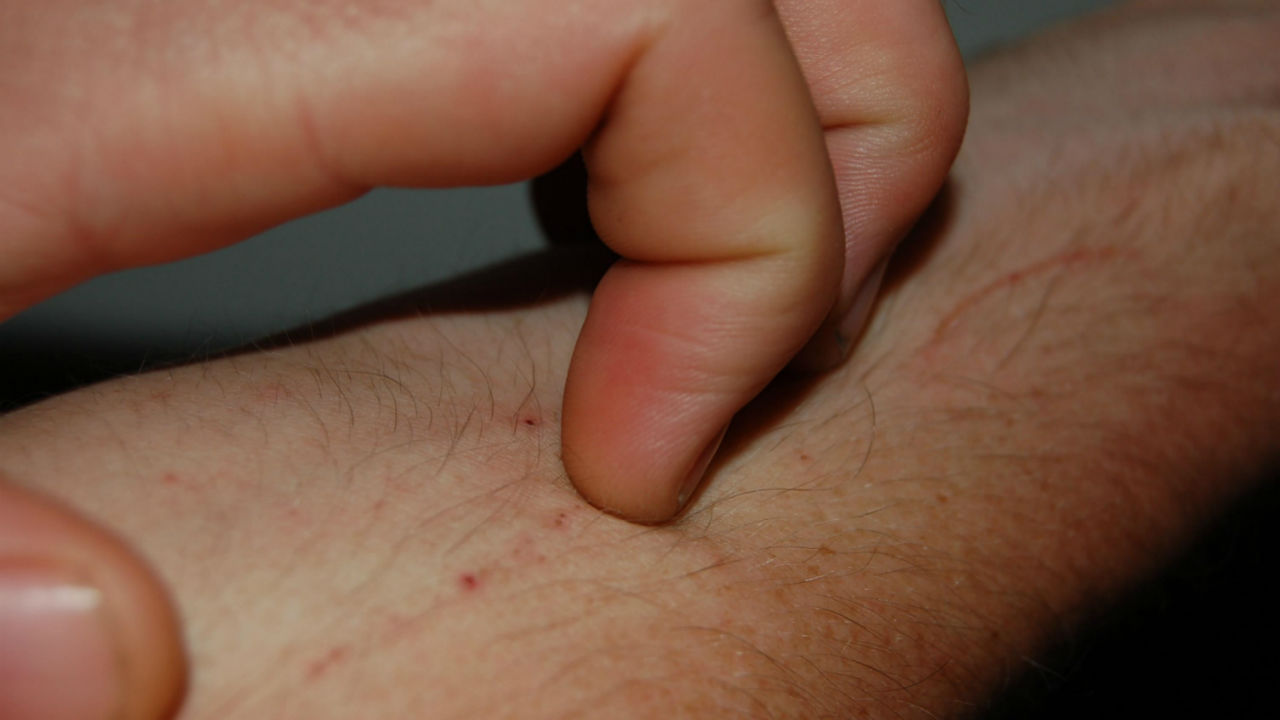
The appearance of intertrigo varies on the severity. Mild intertrigo exhibits mild erythema, which appear as red plaques on each side of the skinfold (2). More severe intertrigo may manifest as oozing, exudation, maceration, crusting, and erosions (2). Further irritation and inflammation causes intertrigo to become painful for patients. As secondary infections become present, the symptoms can become more severe. Intertrigo with secondary infections may produce darker, red markings, producing distinct odor and causing increasing inflammation.
While not dangerous itself, intertrigo can lead to a variety of secondary infections. The damaged skin and moisture resulting from intertrigo makes it susceptible to bacterial and fungal growth. Staphylococcus aureus, group A betal-hemolytic streptococcus, Proteus mirabilis, Proteus vulgarus, and Pseduomonas aeruginosa may manifest separately or in conjunction with other bacteria. Gram-positive and gram-negative bacteria may also manifest in regions with intertrigo, exacerbating the symptoms. Fungus such as yeast, molds, and dermatophytes also manifest with intertrigo.
Individuals who are obese and suffer from diabetes, as well as those who are exposed to high heat and humidity, are at a higher risk for developing intertrigo. In addition, individuals suffering from hyperhidrosis and urinary and fecal incontinence are at a higher risk for developing intertrigo.
Diagnosis is relatively simples, as the symptoms for intertrigo are noticeable and are found in skin folds on the body. Treatment involves powders or creams for reducing moisture and friction, allowing the irritations to heal. Intertrigo caused by obese skin folds require patients to lose weight to prevent reoccurrence. Bacterial or fungal infections can be treated with creams or antibiotics. For those who notice any of these symptoms, contacting your dermatologist as soon as possible is important. Early detection and treatment can prevent pain and aggravation in the future.
Sources:
1)http://emedicine.medscape.com/article/965254-overview
2)http://www.aafp.org/afp/2005/0901/p833.html
Chris Gromisch is a junior chemistry major at Trinity College.
Add a CommentComments
There are no comments yet. Be the first one and get the conversation started!