


Improved
6112 HealthChanged
3786 LivesSaved
3568 Lives0 lives impacted in the last 24 hrs Learn More
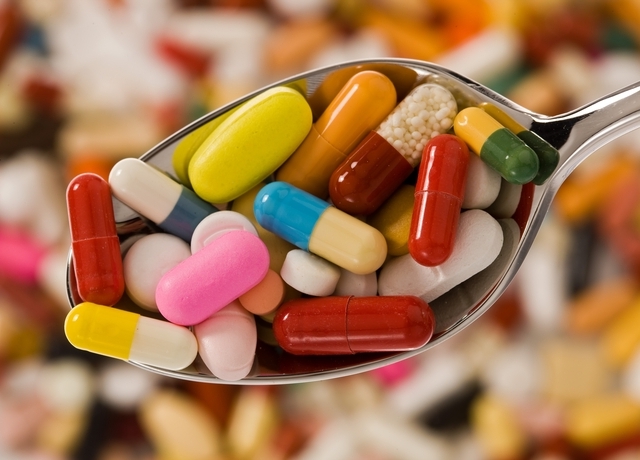
A drug interaction refers to the possibility that a drug, herb or food may alter the pharmacological effects of another drug given concurrently. Experts suggest that natural does not mean it is completely safe. Everything you put in your mouth has the potential to interact with something else.
A medication that is taken by mouth travels through the digestive system in much the same way as food and herbs taken orally do. So, when a drug is mixed with food or another herb, each can alter the way the body metabolizes the other. Some drugs interfere with the body's ability to absorb nutrients. Similarly, some herbs and foods can lessen or increase the impact of a drug.
Many people make the mistake believing all herbs and foods are safe. This is not the case. Herbs and foods can interact with medications and result in serious reactions. Always tell your doctor or health practitioners what you are taking so that they can advise you of possible complications. Also, keep an eye out for unusual symptoms. Very often, this may foretell the symptoms of a drug interaction.
High-risk patients, such as the elderly, patients taking three or more medications for chronic conditions, patients suffering from diabetes, hypertension, depression, high cholesterol or congestive heart failure, should be especially on the lookout for such side reactions.
Here is list of herbs that do not mix with heart medications (i.e. Warfarin). This class of medications called anticoagulants (blood thinners) work by decreasing the clotting ability of the blood:
• Coenzyme Q10 can be used in the management of mitochondrial disease, heart failure, hypertension, angina and arrhythmias. It is thought to work by being a free-radical scavenger, antioxidant, and membrane stabilizer. Coenzyme Q10 is structurally related to Vitamin K (menaquinone); therefore, it possesses procoagulant properties.
• Danshen has been used in the management of cardiovascular diseases. It has been associated with decreasing blood pressure, inhibiting platelet aggregation, and coronary artery vasodilation.
• Dong quai has been used in the management of menopausal symptoms and menstrual disorders. It is thought to possess anti-inflammatory, antispasmodic, and estrogenic properties.
• Ginkgo is used mainly to enhance memory. It is thought to improve blood flow to both the heart and brain. It also has been documented to inhibit platelet activating factor.
• Green tea is used in the treatment of gastrointestinal disorders and to prevent cancer. Dried green tea leaves contain a substantial amount of Vitamin K. Green tea is not considered a significant source of Vitamin K; however, consuming large amounts may antagonize the effects of Warfarin.
Finally, here are additional drug/food interactions summarized.
• ACE inhibitors. Take on an empty stomach to improve the absorption of the drugs.
• Alpha blockers. Take with liquid or food to avoid excessive drop in blood pressure.
• Antiarrhythmic drugs. Avoid caffeine, which increases the risk of irregular heartbeat.
• Beta blockers. Take on an empty stomach; food, especially meat, increases the drug's effects and can cause dizziness and low blood pressure.
• Digitalis. Avoid taking with milk and high fiber foods, which reduce absorption and increases potassium loss.
• Diuretics. Increased risk of potassium deficiency.
• Potassium sparing diuretics. Unless a doctor advises otherwise, don't take diuretics with potassium supplements or salt substitutes, which can cause potassium overload.
• Thiazide diuretics. Increased reaction to MSG.
Sources:
http://www.fda.gov
http://www.holisticonline.com
http://www.environmentaldiseases.com
MC Ortega is the former publicist for the late Walter Payton, Coca-Cola and Dunkin’ Donuts. Ortega is a senior communications and messaging executive specializing in media relations, social media, program development and crisis communications. Also, Ortega is an avid traveler and international shopper. Ortega resides with her partner, Craig, dog, Fionne and extensive shoe collection. Ortega also enjoys jewelry design/production and flamenco dancing.
Add a CommentComments
There are no comments yet. Be the first one and get the conversation started!