




Improved
6112 HealthChanged
3786 LivesSaved
3568 Lives0 lives impacted in the last 24 hrs Learn More
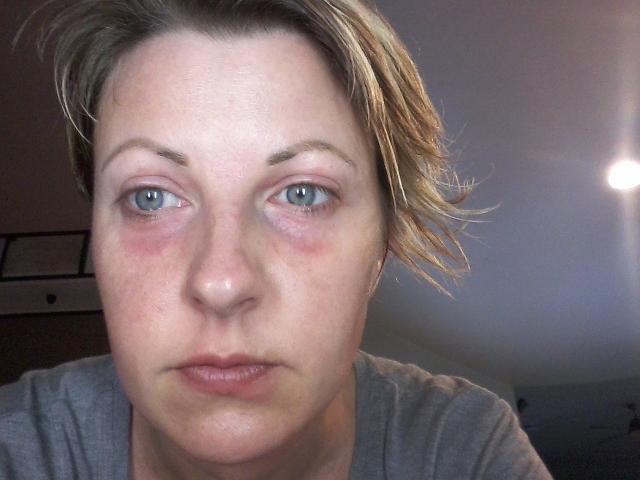
Xeroderma literally means dry skin (Greek-xeros meaning dry and the Greek-derma meaning skin = dry skin.) Xeroderma is a very common condition. While dry skin tends to affect males and females equally, older individuals are typically much more prone to dry skin. The skin in elderly individuals tends to have diminishing amounts of natural skin oils and lubricants.
Dry skin may be a mild, temporary condition lasting a few days to weeks. Dry skin may also become a more severe, long-term skin problem for some. Xeroderma occurs most commonly on the lower legs, arms, the sides of the abdomen and thighs. Symptoms most associated with Xeroderma are discomfort form skin tightness, scaling (the visible peeling of the outer skin layer), itching and cracks in the skin. It is a condition involving the integumentary system, which in most cases can safely be treated with emollients and/or moisturizers.
Xeroderma happens more often in the winter where the cold air outside and the hot air inside creates a low relative humidity. This causes the skin to lose moisture and it may crack and peel. Bathing or hand washing too frequently, especially if one is using harsh soaps may also contribute to xeroderma. Xeroderma can also be caused by a deficiency of vitamin A, vitamin D, systemic illness, severe sunburn or some medication.
Dry skin can usually be addressed by the use of over-the-counter (OTC) topical preparations. If these products do not relieve the condition, see an aesthetician or dermatologist for more specific remedies.
A common complication of dry skin and itching is secondary bacterial infection. Infections may be mild and resolve spontaneously or may be more severe and necessitate antibiotic treatment. Severe itching leads to repeat scratching of lesions, hence the "itch-scratch-rash-itch" cycle. Because of the persistence of this itch-scratch cycle, the skin may become much thickened in these areas from rubbing. Repeat skin rubbing in the same area may lead to two localized chronic skin conditions called lichen simplex chronicus (LSC) and prurigo nodule.
Home remedies for dry skin include applying Crisco vegetable shortening or Vaseline two or three times daily.
Dry skin may be improved by taking lukewarm showers or baths and avoiding excess skin scrubbing. Hot water and harsh scrubbing can take away the natural oils that protect skin and make the skin even drier.
Dry skin may be prevented by use of gentle cleansers. Non-scented, mild cleansers or soap-free products like Aveeno, Cetaphil, Dove, or Neutrogena are recommended for dry and sensitive skin. Many scented, deodorant, and antibacterial soaps can be too harsh and wash off natural skin-protecting oils.
Gentle exfoliation and hydration may help improve the appearance of non-facial dry skin. Special moisturizers containing lactic acid (Amlactin, Lac-Hydrin), salicylic acid (Salex), or urea (Urix or Carmol) are very effective in gently exfoliating the skin and helping other moisturizers penetrate into the skin more deeply.
Mild soaps and cleansers include
• Dove soapless cleanser
• Aveeno cleanser
• Cetaphil cleanser
Mild moisturizers without perfumes are good for dry skin. Thick and greasy emollients also work best. Typically, moisturizers should be applied within three to five minutes of bathing when the skin is just patted dry and still damp. Sunscreens with a sun protection factor (SPF) of at least 15 or higher help protect the skin from possible sunburns and damage caused by UVA and UVB rays.
Proper nutrition and essential factors in the diet may help improve dry skin. For instance, essential fatty acids (such as omega-3) can be metabolized in the body to produce natural, moisture-retaining oil barriers of the skin. Omega-3-rich foods include flax, walnuts, safflower oil, and cold-water fish such as tuna, herring, halibut, salmon, sardines, and mackerel.
The general skin and environment moisture is very important in improving dry skin. Maintaining the skin at optimal hydration and using an indoor humidifier may help improve dry skin.
Sources:
http://www.medterms.com
http://en.wikipedia.org
Mc Ortega is the former publicist for the late Walter Payton, Coca-Cola and Dunkin’ Donuts. Ortega is a senior communications and messaging executive specializing in media relations, social media, program development and crisis communications. Also, Ortega is an avid traveler and international shopper. Ortega resides with her partner, Craig, dog, Fionne and extensive shoe collection. Ortega also enjoys jewelry design/production and flamenco dancing.
Add a Comment1 Comments
Great tips! My sisters and I have always had problems with staying moisturized. I can't wait to tell them of these remedies that we can easily make at home. I will try this along with my usual Solvaderm for my complexion.
September 18, 2016 - 5:13amThis Comment