

Improved
6139 HealthChanged
3797 LivesSaved
3584 Lives0 lives impacted in the last 24 hrs Learn More
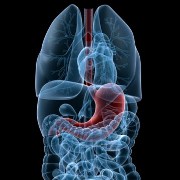
Sarcoidosis is an inflammatory disease characterized by small nodules (granulomas) of immune cells. The granulomas can occur in virtually any organ, but the lungs are the predominant site. Sarcoidosis looks similar to tuberculosis, some fungal infections, and chronic beryllium disease. These possibilities must be ruled out before sarcoidosis is diagnosed. About 1.3% of women will experience sarcoidosis sometime in their lives. The majority of cases last 12 – 36 months, while more serious cases persist for up to 5 years, and a few last for decades.
The cause of sarcoidosis is not well understood. Various antigens are thought to trigger an exaggerated immune response in genetically susceptible individuals. Young and middle-aged adults are most at risk. A recent study at the University of Pennsylvania identified mold, musty odors, and insecticides as environmental factors that may trigger the disease. A research team in Belgium reported that interferon, used to treat conditions including hepatitis C, induces the development of several immune diseases, including sarcoidosis.
The main treatment option is corticosteroids. Other drug options include antimalarials, aminoquinolins, methotrexate, azathioprine, cyclophosphamide, and thalidomide. Current research suggests the use of tumor necrosis factor inhibitors for some patients. These include infliximab (Remicade), adalimumab (Humira), and etanercept (Enbrel). These are all biologics (proteins) which are FDA approved to treat rheumatoid arthritis and similar autoimmune conditions. They all have serious potential side effects, including lymphoma and other cancers. These drugs reduce the body's ability to fight infection. The FDA strengthened its requirements for warnings about opportunistic fungal infections in September 2008 after reports of several deaths. In addition, a recent article reports that a patient developed sarcoidosis during etanercept therapy for rheumatoid arthritis. However, a review article in the medical literature in December 2008 recommended the use of tumor necrosis factor inhibitors for selected patients with chronic sarcoidosis. See Reference 5.
Other treatments recommendations include low calcium diet and avoidance of sunlight exposure. The probability of spontaneous healing is reported as 55 – 90% for stage I sarcoidosis; 40 – 70% for stage II; 10 – 20% for stage III, and 0% for stage IV (overt lung fibrosis).
by Linda Fugate, Ph.D.
References:
1. Nunes H et al, “Sarcoidosis”, Orphanet Journal of Rare Diseases 2007;2:46.
2. Rossman MD et al, “HLA and environmental interactions in sarcoidosis”, Sarcoidosis Vasc Diffuse Lung Dis. 2008 Dec;25(2):125-32.
3. Froidure A et al, “Multisystemic sarcoidosis associated with a second therapy for chronic hepatitis C”, Acta Gastroenterol Belg. 2009 Apr-Jun;72(2):249-51.
4. Ishiguro T et al, “Development of sarcoidosis during etanercept therapy”, Intern Med. 2008;47(11)1021-5.
5. Baughman RP et al, “Inhibitors of temor necrosis factor (TNF) in sarcoisosis: who, what, and how to use them”, Sarcoidosis Vasc Diffuse Lung Dis. 2008 Dec;25(2):76-89.
6.http://www.fda.gov/Drugs/DrugSafety/PostmarketDrugSafetyInformationforPatientsandProviders/DrugSafetyInformationforHeathcareProfessionals/ucm174474.htm
7.http://www.fda.gov/NewsEvents/Newsroom/PressAnnouncements/2008/ucm116942.htm
Add a Comment10 Comments
My rheumatologist thinks I may have acidosis, but my symptoms really vary. I had chemical exposure from cleaning my rental and my pulmonologist said I had chemical induced asthma
September 22, 2013 - 12:25amI was a very healthy person until the house cleaning. My symptoms began in April and I am on prednisone currently. It shows no sign
s of going away
I'd taken all this to get a diagnosis. Very frustrating!
This Comment
I was diagnosed with sarcoidosis after a mediastinoscopy last week. My thorasic told me and my fiancee that nobody ever dies from sarcoidosis. He made it sound like once my pulmonologist sees me and gives me steroids, I'll be fine. He even said I might not even need medication.
Here's the thing. It's been at least 6 years since I had a chest x-ray that showed a nodule in my lung. Since then, it's been a "wait and see" game. I now have 5 nodules but only one seems to be growing at a slow rate. The focus was originally on my nodules. After a pet scan, it was discovered that my lymph nodes were enlarged and active. After a year, and having endured a bronchoscopy that didn't give enough of a specimen for the pathologist to determine just what it was, I had my mediastinoscopy after pushing for it. Finally, I got a firm diagnosis. But nobody seems to be in a hurry to get the ball rolling. I have some appointments scheduled but one is in March. I think I have it in my eyes but have just been told my eyes are not producing enough tears. I've had problems with balance for 10 years but nobody would listen. I was diagnosed with fibromyalgia over 10 years ago. I'm now wondering if it was sarc then. I also have terrible IBS. Again, is sarc there too?
Right now, my chest hurts, I have a terrible cough, sweats at night and also during the day, pain in several parts of my body, and I'm wondering, what do I do now?
December 13, 2010 - 10:14pmThis Comment
Redskinsrule - Thanks for writing and I'm glad you found EmpowHER. We aren't able to provide medical advice, but can help you in getting to the right resources. I know from personal experience how frustrating it can be to have a rare medical condition and not be able to get the information you need. What has really helped me is joining support groups, both locally and in other countries. In my own case I have found that Canada is often far ahead of the US in providing the most helpful, and most current information.
I did some research for some organizations that might be able to help you, and found a Directory of U.S. support groups at Sarcoid Life: http://www.sarcoidlife.org/ and the following list as well:
http://www.sarcoidosisnetwork.org/groups.htm I also found a group, with 480 members, on Daily Strength: http://www.dailystrength.org/c/Sarcoidosis/support-group
Support groups can be very helpful in terms of sharing what has worked for members and also in helping locate physicians who specialize in rare conditions. You may need to change doctors to get what you need and to get the best care. I hope you'll look into these and see if there is a group that will help you help yourself, and wish you the best. Please stay in touch.
December 14, 2010 - 5:22pmTake care,
Pat
This Comment
Leslie, thanks so much for your input. I also encourage you to write a "Share" post. There's nothing like first hand experience!
February 5, 2010 - 6:36pmThis Comment
Hi Leslie - Thanks so much for taking the time to share this information, as it is very, very helpful to us in better understanding your online experiences and how we can help.
You are welcome to post the link to the study - but if you don't mind a suggestion - why don't you post it as a "Share" with your own comments on it and invite others with sarc to also comment. So often we can learn a lot from each other, and help each other at the same time.
Again, thanks for your feedback and kind words.
February 5, 2010 - 6:03pmPat
This Comment
Will do Pat! Thanks again! Lesie ~ Charlotte, NC
February 5, 2010 - 6:36pmThis Comment
Hi Pat:
February 5, 2010 - 3:22amSpecifically on the web are brief articles on sarcoidosis. Too many of the online articles are too short, to the point (but not the correct point...) and suggest to all that a dose or two of steroids and someone with sarcoidosis is *good to go* or that sarc will always seem to burn itself out. So many articles leave it at that and this is too unfortunate. A study just released by SAS: Sarcoidosis Awareness Society (UK) suggests the point I make. They reference lack of good information about sarcoidosis on the net in this study. This report was just released on their one year anniversary yesterday Feb. 04, 2010. The fact that this society is only one year old is in itself a tragedy! However, the study is basic and yet very good and spot on if I may say so myself, and I do! The study also reports to a tee... many of the symptoms us sarc patients suffer along w/other difficulties we are having with the medical communities around the world, UK and USA included. (I am not sure I can add a link to this but will be happy to provide a link if you request.) Again, the all too short, no explaination needed.. type of online information is so very misleading to all. Us sarc sufferers encounter too many people, friends and family that have a misguided perception of sarcoidosis and how it effects us. We are finding *old wives tales* are all too common among too many people, including the medical professionals. In turn, we suffer....more. With that being said it is up to us to champion our own health care with sarcoid. The study suggest: unnecessary surgeries to remove *cancer* organs is too wide spread. I agree, its not cancer...its sarcoid. Sarc is NOT cancer and yet can invade most organs in the body. A biopsy of the tissue would resolve this issue and yet is not done. This enormous fact...is usually left out of net type articles, along with many other *true* facts. Another case in point: the article above written by Linda states that *interferon* could be a contributing factor inducing sarcoidosis. This was the very first I myself have read of this. Again, I have been researching online since Nov 09. I also am involved in another online support community and have not seen this reported. Bravo!
Hope this helps and keep up the wonderful work to get the word out correctly. We are all grateful to you! Leslie Charlotte, NC
This Comment
HI Linda!
February 4, 2010 - 2:47pmWas diagnosed with sarcoidosis last November 09 and after reading your article would like to commend you on how accurate it is. Bravo! Its very nice to see these articles are not only up to date but oh so accurate. There is info out on the web not as accurate and up to date. Thanks again! Leslie Charlotte, NC
This Comment
Hi Leslie - Thank you for your comments about Linda's article. We really value her contributions to EmpowHer and appreciate your feedback.
I'm curious about your comments about the web, and would like a better understanding of your experience in trying to find helpful information online. We constantly strive to make the information on EmpowHer timely and relevant, and welcome your insight and observations on what you've found (or not found.)
February 4, 2010 - 5:52pmThanks, Pat
This Comment
Hi Linda - Thanks for this comprehensive overview of sarcoidosis, a disease which is not frequently covered in mainsteam media sources. I know your information is going to prove helpful to those with sarcoidosis, as well as family members and friends.
October 29, 2009 - 6:30pmTake good care,
Pat
This Comment