


Improved
6113 HealthChanged
3786 LivesSaved
3568 Lives0 lives impacted in the last 24 hrs Learn More
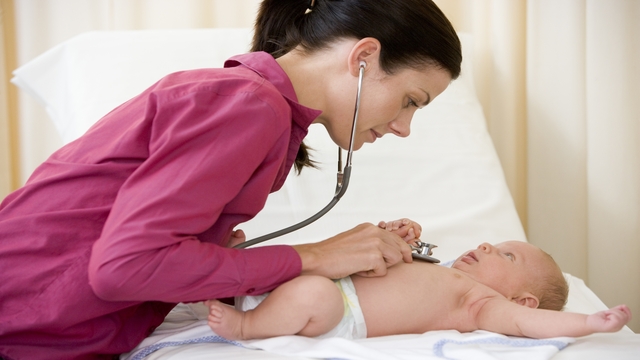
Neonatal respiratory distress syndrome is a lung disorder occurring in newborns, primarily those born prematurely. They are not able to breathe properly, causing low blood/oxygen levels. This condition can be fatal.
What Causes Neonatal Respiratory Distress Syndrome?
Babies born six weeks or more before their due date are most at risk of developing the syndrome because their lungs are immature. Lungs are normally coated with a substance called surfactant. Surfactant is a fluid that helps keep the lungs inflated. Without it, they would collapse.
As surfactant isn’t formed until the last few weeks of pregnancy, a large number of premature babies experience breathing difficulties. Approximately ten premature babies in every 100 suffer from RDS. Sometimes neonatal RDS is caused by initial breathing problems after birth which then damages the lungs.
It can also be caused by therapeutic measures intended to help the baby, such as 100% oxygen which can scar the lungs, medications and even vaccines.
A study published in Acta Paediatrica found that if premature babies were vaccinated at less than 70 days old they had a 20% chance of developing major breathing and heart complications, including apnoea, bradycardia or desaturations. They concluded:
‘Age at vaccination of 70 days or less was significantly associated with increased risk (p<0.01). Of 27 babies vaccinated at 70 days or less, 9 (33.3%) developed major events compared with none when vaccinated over 70 d.’
Very rarely, a full-term baby may get neonatal RDS because of a genetic fault preventing him from making surfactant.
If you are giving birth by Caesarean section before term, your baby is at greater risk of developing RDS. Babies born surgically have a higher rate of breathing difficulties because mucus is not expelled from their chest during vaginal birth.
Symptoms
Symptoms of RDS are:
• Grunting sounds
• Shallow and fast breathing
• Drawing in of the ribs on each breath
• Apnea (pauses in breathing)
• Collapsed lungs and/or bleeding into the lungs
• Heart problems caused by lack of oxygen
• Sepsis – a blood infection affecting the whole body
In the initial stages, the baby may only have one or two symptoms and progress to more serious ones if he is not treated or if he fails to respond to treatment.
Diagnosis
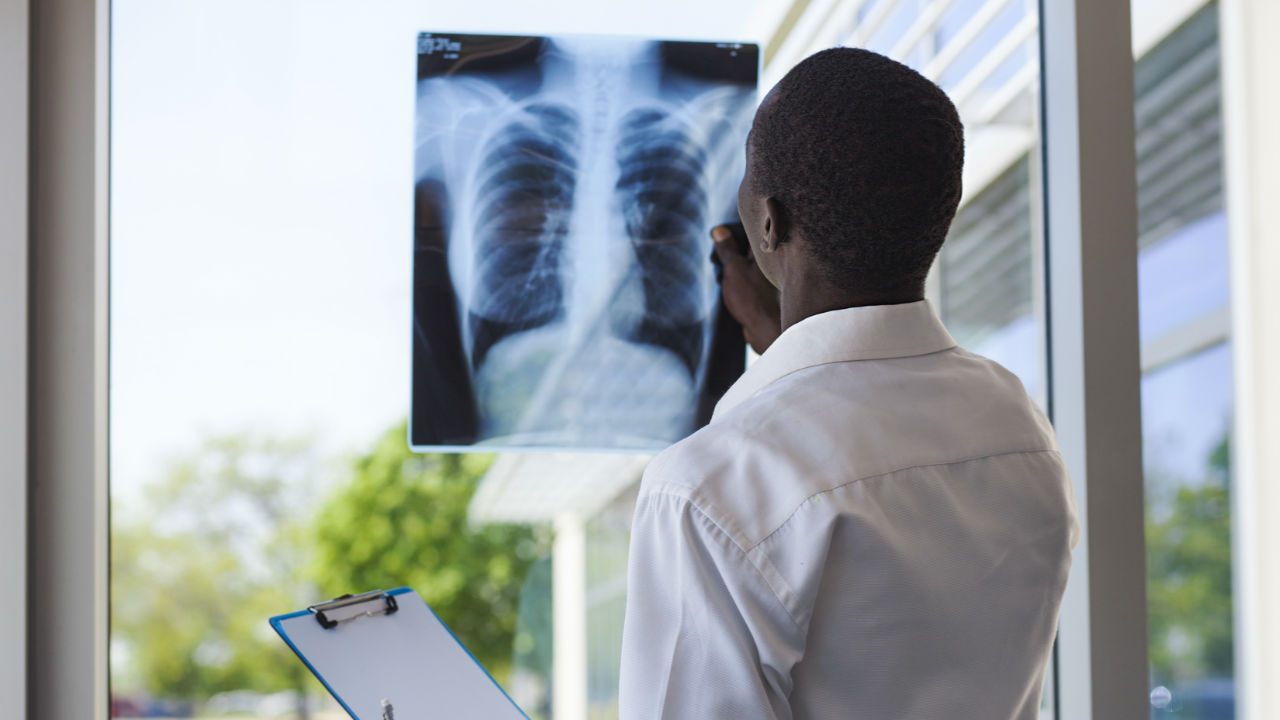
Your baby will be diagnosed by blood test to see how much oxygen he has in his blood. He may also have a chest X-ray to check the condition of his lungs and a scan of his heart to rule out underlying heart problems.
Preventing and Treating RDS
Pregnant women who are going into premature labor are given steroid injections to mature the baby’s lungs more quickly, which can prevent RDS.
If you are giving birth by caesarean, try to leave it to the latest date possible. If it is at all possible to give birth naturally, consider this option.
If you have had a premature baby and want to vaccinate, research suggests that delaying his vaccinations until after 70 days can reduce his risk of developing RDS.
If he already has RDS, he can be treated with oxygen therapy – either continuous positive airway pressure (CPAP), where oxygen is forced into his nasal passages, or ventilation. He can also be given replacement surfactant via a breathing tube to help his lungs expand.
Sources: National Heart, Lung and Blood Institute, and Acta Paediatrica, Volume 90, Number 8, 1 August 2001 , pp. 916-920(5)
http://www.ingentaconnect.com/content/apl/spae/2001/00000090/00000008/art00018
Joanna is a freelance health writer for The Mother magazine and Suite 101 with a column on infertility, http://infertility.suite101.com/. She is author of the book, 'Breast Milk: A Natural Immunisation,' and co-author of an educational resource on disabled parenting, in addition to running a charity for people damaged by vaccines or medical mistakes.
Add a CommentComments
There are no comments yet. Be the first one and get the conversation started!