



Improved
6112 HealthChanged
3786 LivesSaved
3568 Lives0 lives impacted in the last 24 hrs Learn More
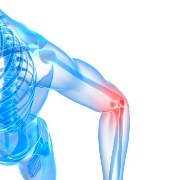 Photo: Getty Images
What is bursitis? Bursitis is inflammation that affects soft tissue around bones and muscles. It usually occurs in the ankles, elbows, hips, knees or shoulders.
When bursae (small sacs filled with fluid) become inflamed, bursitis develops. Bursae (the plural form of bursa) perform as a cushion between the bones and parts that move, like the muscles, skin or tendons.
If you've ever had bursitis, you may not have fully understood the mechanics of the condition, but you knew you had a serious problem on your hands. Simple tasks can become challenging. Normal day to day routines can become impossible. And the pain becomes a constant companion.
The outcome of living with bursitis is often a dramatic curtailment of movement, and pain ranging from moderate to severe. Bursitis can afflict many different parts of the body.
Olecranon bursitis is bursitis in the elbow. It frequently affects the olecranon bursa, at the point of the elbow.
Trochanteric bursitis is bursitis in the hip. This hip bursitis affects the large muscles attached to the trochanter (located at the top of the thighbone). Three or more bursae are found in this area.
Bursitis in the knee affects any of the bursae in the knee area. The most commonly affected bursae are over the kneecap which is known as prepatellar bursitis, or below the joint on the inner side of the knee.
Bursitis in the shoulder affects the shoulder joint. Shoulder bursitis is usually the result of aging, injury or overuse of the joint.
While bursitis is an excruciating and limiting condition, its treatment is usually simple and straightforward. Bursitis treatment comes in many forms.
It can be helpful to rest and keep the area of inflammation still. Swelling due to bursitis can be reduced by the application of ice to the area. Nonsteroidal anti-inflammatory drugs, or NSAIDs, can bring pain relief to your bursitis and can decrease the inflammation.
Physical therapy or exercises can be beneficial, as muscles are strengthened. Your health care provider may recommend this type of treatment, or may choose to give an injection of a corticosteroid drug into the affected bursa. Relief from the pain of bursitis often happens quickly after this treatment.
Antibiotic use may be indicated if an infection is the source of your bursitis.
Your health care provider may decide to drain the bursa surgically. In severe cases, the bursa may need to be removed by surgery.
Sources:
Bursitis. Mayoclinic.com. Web. 7 Sept. 2011.
http://www.mayoclinic.com/health/bursitis/DS00032
Knee bursitis. Mayoclinic.com. Web. 7 Sept. 2011.
http://www.mayoclinic.com/health/knee-bursitis/DS00954
Hip Bursitis. Mayoclinic.com. Web. 7 Sept. 2011.
http://www.mayoclinic.com/health/medical/IM01997
Visit Jody's website and blog at http://www.ncubator.ca and http://ncubator.ca/blogger
Reviewed September 8, 2011
by Michele Blacksberg R.N.
Add a CommentComments
There are no comments yet. Be the first one and get the conversation started!