



Improved
6112 HealthChanged
3786 LivesSaved
3568 Lives0 lives impacted in the last 24 hrs Learn More

I am a 13 year survivor of IBC -missed by the doctors treating me for infection until I researched the internet and found info. My daughter is now facing unsure diagnosis.
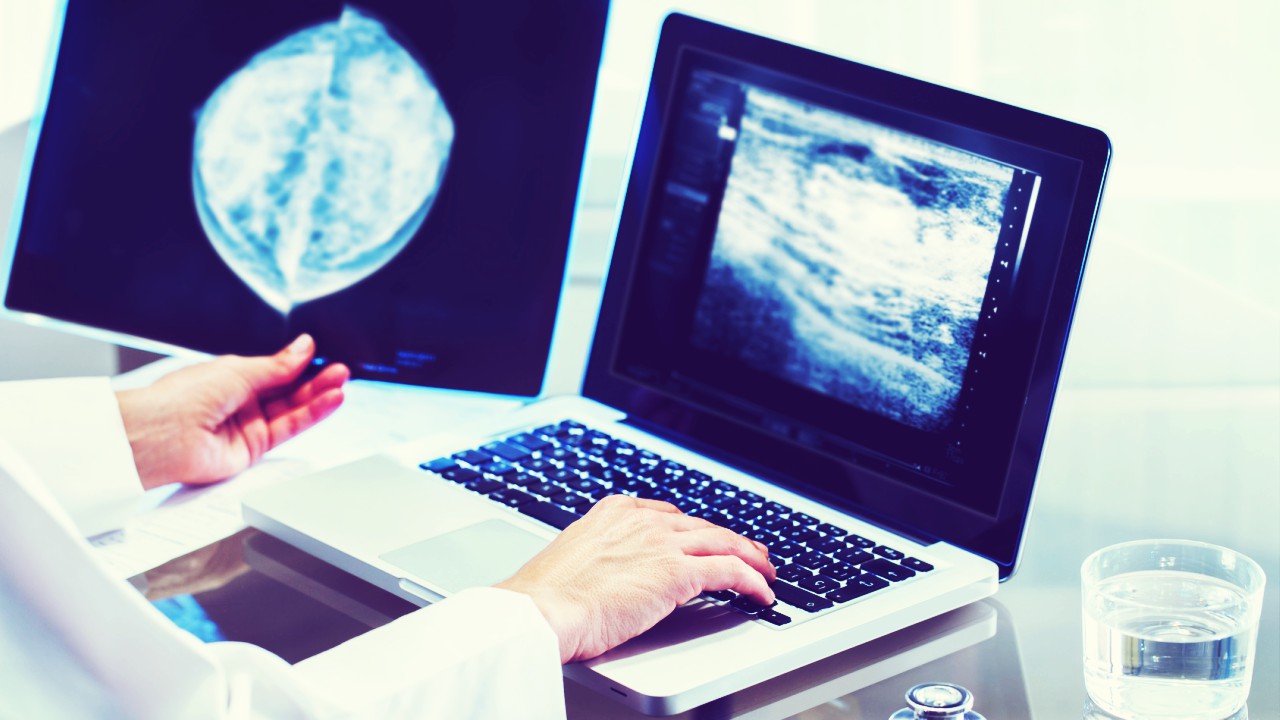
I am interested in Thermography. When first introduced, it was not used properly, and as a result is not a recognized diagnostic tool. When used by someone who knows how to read the results, it has been shown to detect IBC. Do you have any experience with thermography? Why is this not used in conjunction with the other diagnostic tools?
All user-generated information on this site is the opinion of its author only and is not a substitute for medical advice or treatment for any medical conditions. Members and guests are responsible for their own posts and the potential consequences of those posts detailed in our Terms of Service.
Add a Comment5 Comments
For those following this thread, I asked a source in the field their opinion on the question of thermography. The jury is clearly still out. The American Society of Clinical Oncology just released (in May) a study on thermography based in Mexico.
If you'd like to read it for yourself, here's a link to the abstract:
http://www.asco.org/ASCOv2/Meetings/Abstracts?&vmview=abst_detail_view&confID=65&abstractID=34312
Breast cancer is the second cause of death from cancer among Mexican women. However, most of them who are 50 and older, especially those in rural communities, have never had a mammogram. The study cites the figure at 7%. (Can you imagine the furor in the United States if only 7% of women had ever been able to have a mammogram? And Mexico is a large and populous country). So the study wanted to evaluate the use of thermography as an early detection device that could be used outside of hospitals.
Over two years (2006-08), women were offered a clinical examination followed by mammography, thermography and a biopsy if it was indicated. There were 911 women in the study. Their ages ranged from 15 to 83, with the median age at 44. Of those 911 women, 503 were over 40 and 137 were 35-39.
The results:
In the over-40 group, cancer was diagnosed in 14 women (3%).
In the 35-39 group, cancer was diagnosed in 2 women (1.4%)
Overall, cancer was diagnosed in 16 of the 640 women who were over 35 (2.5%)
And cancer was diagnosed in 1.8% of women by the use of breast thermography.
We may think "1.8%, that's not very much." But in a thousand women, that's 18 diagnoses. In 10,000 women, that's 180 diagnoses that might have slipped away otherwise, or not been diagnosed until much later. And in inflammatory breast cancer, early diagnoses can be everything. Just everything.
This is a topic I didn't know much about until I started paying attention and doing a little research on it. I'll keep my eyes open now and be interested to see where it goes.
Anyone out there with personal experience?
June 25, 2009 - 7:51amThis Comment
Thanks so much to both of our Thermographers for their opinions. It always helps us to get information from inside a field of medicine. If either of you are reading, do you have a sense of why more doctors and/or hospitals have been slower to add thermographer to their regular tools?
June 25, 2009 - 7:32amThis Comment
As a Certified Clinical Thermographer and Licensed Chiropractor I would like to comment on this post. Thermography is in my license in California, however I choose to have my scans read by licensed Medical Doctors trained in reading thermography scans. The thermography discussed being used in chiropractic offices is most likely an instrument to read heat on the spine and not an Infrared Medical Camera, like the FDA approved camera I use. Thermography is affordable and appropriate for young women for whom mammograms are less effective. Radiation free and looking at function not looking for a lump. IBC is an inflammatory cancer and thermography can see the inflammation. Thermography should, and I believe will, be used as a part of preventative breast health. You can find more information at
June 25, 2009 - 7:29amwww.thebreastthermographycenter.com or www.pictureinside.com
This Comment
I am a thermographer and I truly believe that every woman should find a qualified provider to have themselves tested. I personally am in the industrial side of thermography but I feel that if there if a tool that can possibly help someone from having to go through the hell that is cancer you would be crazy not to get tested.
June 24, 2009 - 9:45amLee,
This Comment
Hi, Anon. Thank you very much for your question!
For those who don't know, breast thermography is a tool that scans the tissue in the breast area and makes an image of it based on the temperature differences in the area. Think of it almost as one of those weather maps with the color coding -- areas of the breast that are normal tend to be one color, and areas of the breast with increased pre-cancerous or cancerous activity tend to be hotter and therefore another color. The "photo" of the breast shows all these areas and can be "read" by an experienced diagnostician who knows exactly what to look for.
Here's a very thorough page about thermography. It is written/produced by a doctor who runs a thermography clinic, so it's clearly on the side of this technology. It has pages on the procedure itself and on what it's like, including scans of normal breasts and of those with suspicious areas:
http://www.breastthermography.com/
Here's what the site says about availability of the testing:
"What other centers perform Digital Infrared Imaging?
"Because of the special training, technical expertise, and unique clinical environmental needs necessary to perform DII, many centers do not have this technology as of yet. Currently, independent digital infrared imaging centers and highly specialized independent breast clinics are the most common place to find this technology."
On the critical side, there are those who believe that the technology is not yet ready for use in medical practice. Much of the negatives I found had to do with the use of it in chiropractic settings, however. At least one insurance company felt that while thermography may detect temperature differences, since other tests are still required to determine what's going on with the temperature difference, thermography itself added little to their body of knowledge.
Here's a summary of some of that criticism:
http://www.chirobase.org/06DD/thermography.html
Here's another page talking about the value of thermography. In general, all the pages I found about thermography suggest that it's simply another good tool in the toolbox for detecting breast cancers -- that self-exams, mammograms and ultrasounds are also critical tools. I imagine that if every woman would do self-exams and could have a mammogram, an ultrasound and thermography on a regular basis, we might be finding more breast cancers in their early stages (which is especially critical in IBC). But the costs of that may be prohibitive right now, both to the medical world and to insurance companies.
Does the unsure diagnosis that your daughter is facing have to do with breast cancer? Have you raised the possibility with her doctors of doing thermography? What sort of reaction did you get?
June 24, 2009 - 8:22amThis Comment