Treatment depends on the severity of the strain.
Treatment usually includes:
Take
aspirin
,
ibuprofen
(Advil, Motrin), or
acetaminophen
(Tylenol) to help relieve pain. If you still have tenderness in the calf while taking these drugs, do not return to physical activity. Check with your doctor.
Start within first 24 hours:
- Rest—Do not do activities that cause pain, such as running, jumping, and weightlifting using the lower leg muscles. If normal walking hurts, shorten your stride. Do not play sports until the pain and local tenderness are gone.
- Cold—Apply ice or a cold pack to the calf area for 15–20 minutes, 4 times a day, for several days after the injury. Wrap the ice or cold pack in a towel. Do not apply the ice directly to your skin.
- Compression—Wear an elastic compression bandage (eg, Ace bandage) around your lower leg to prevent additional swelling. Wrap from the toes up the leg so as to not cause swelling below the wrapping. Be careful not to wrap the bandage too tightly.
- Elevation—Keep your leg higher than your heart as much as possible for the first 24 hours to minimize swelling.
- It is best not to take aspirin or ibuprofen during the first 24 hours if you have a lot of swelling. Those meds interfere with the clotting mechanism.
Continued care:
- Heat—Do not use heat at all during the first 3 to 5 days. Use heat only when you are returning to physical activity. Then use it before stretching or getting ready to play sports.
- Stretching—When the acute pain is gone, start gentle stretching as recommended by a health care professional. Stay within pain limits. Hold each stretch for about 10 seconds and repeat 6 times. Repeat stretches 4 to 6 times during the day.
- Strengthening—Begin strengthening exercises for your calf muscles as recommended by a professional. This is very important to guard against further problems.
If you are diagnosed with a calf muscle strain, follow your doctor's
instructions
.
Please be aware that this information is provided to supplement the care provided by your physician. It is neither intended nor implied to be a substitute for professional medical advice. CALL YOUR HEALTHCARE PROVIDER IMMEDIATELY IF YOU THINK YOU MAY HAVE A MEDICAL EMERGENCY. Always seek the advice of your physician or other qualified health provider prior to starting any new treatment or with any questions you may have regarding a medical condition.
Copyright © 2024 EBSCO Publishing All rights reserved.
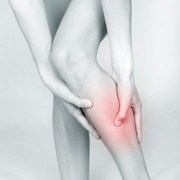 Calf Strain: What is It and How did it Happen?