




Improved
6112 HealthChanged
3786 LivesSaved
3568 Lives0 lives impacted in the last 24 hrs Learn More
What is Hyaline Membrane Disease (HMD)?
Hyaline membrane disease (HMD) is also known as respiratory distress syndrome (RDS). It is one of the most common breathing issues to affect premature babies.
Between 24 and 28 weeks of gestation, a fetus begins producing "surfactant" in his or her lungs. Surfactant is produced by cells in the airways and contains phospholipids and proteins. Sufficient amounts of surfactant are important because they help keep the alveoli open during the oxygen/carbon dioxide transfer in the lungs. If there isn't enough, the alveoli will collapse. The cells that produce the surfactant are hyaline membranes. Usually by 35 weeks, a fetus has develop enough surfactant for his or her lungs to function normally.
Symptoms usually begin shortly after birth. If treatment is not administered, the baby will eventually stop trying to breathe.
Risk Factors for HMD
Babies at particular risk for developing HMD include (from www.lpch.org):
- Caucasian or male babies
- Previous birth of a baby with HMD
- Babies delivered by cesarean section
- Perinatal asphyxia
- Cold stress (suppresses surfactant production)
- Perinatal infection
- Multiple births (often born premature)
- Infants of diabetic mothers (too much insulin can delay surfactant production)
In the U.S., hyaline membrane disease affects over half of all babies born before 28 weeks gestation, but less than one-third of those born between 32 and 36 weeks. The severity of the condition grows with the prematurity of the baby.
According to Emedicine.medscape.com, approximately 40,000 infants are diagnoses with hyaline membrane disease. (That's 1 to two percent of all newborn infants and in about 14 percent of infants born weighing less than 5 lbs/2500 g/2.5 kg). The risk of HMD is about 5 percent in babies born at 35-36 weeks' gestation, but 65 percent in those born at 29-30 weeks. It is the leading cause of infant mortality, accounting for 20 percent of all neonatal deaths.
Hyaline membrane disease affects babies of all nationalities and cultures, but males are affected twice as much as girls at every gestational age. No one really knows why, yet.
Doctors have learned that betamethasone given to the mother 24 hours before delivery will induce surfactant production, reducing the risk of developing HMD or, at least, reducing the severity of the condition.
Symptoms of Hyaline Membrane Disease
Below is a list of symptoms normally associated with HMD, although those babies with extremely low birth weight (less than 2.2 lbs/ 1 kg/ 1000 g) may not be able to breathe on their own because their lungs are too stiff. For those babies who do start breathing on their own symptoms may include:
- Rapid, labored, grunting while inhaling (usually just shortly after birth and definitely within 8 hours of birth)
- Cyanosis (lips, fingernails turn blue)
- Flaring of the nostrils
- Chest retractions (skin around the ribs and sternum suck in during breathing)
Usually, symptoms peak on the third day and start resolving once the baby starts peeing and requires less oxygen and mechanical help to breathe.
Diagnosis and Treatment of HMD
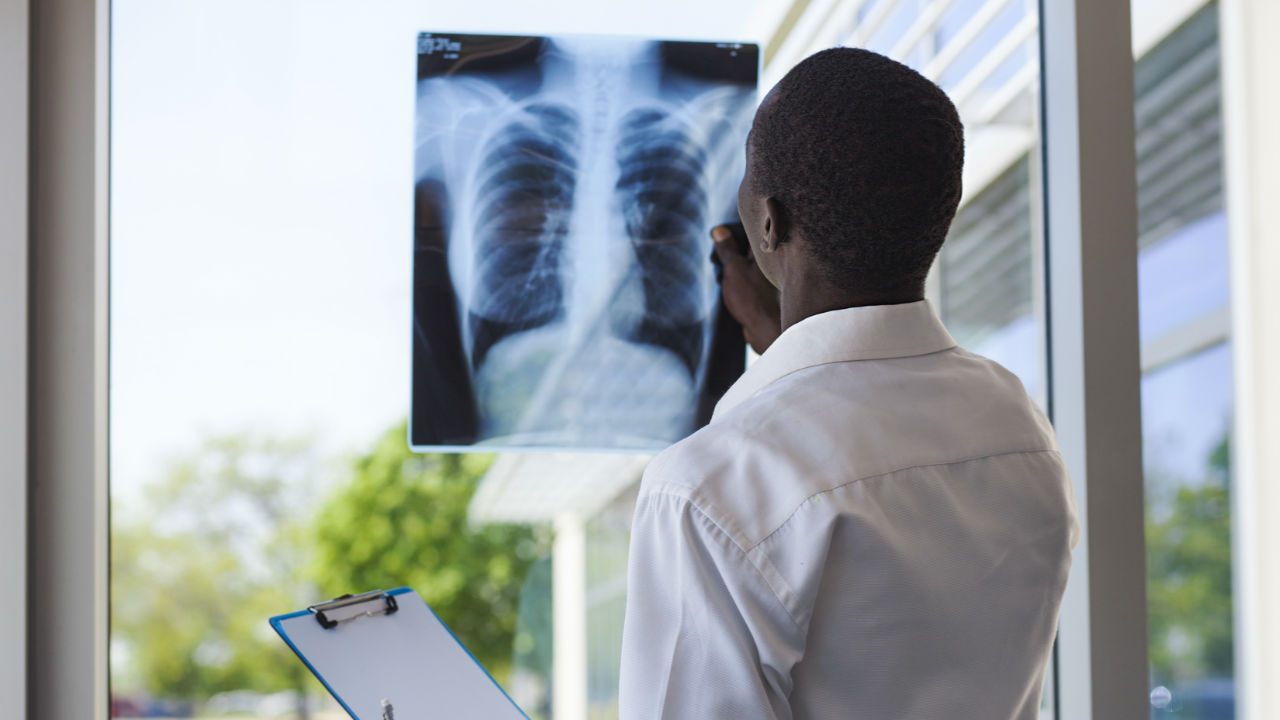
On clinical examination, a doctor will recommend chest X-rays, blood gases, and an EKG (echocardiogram) to rule out any heart conditions that may exhibit similar symptoms.
Depending on each individual case, treatment may or may not include:
- Placing of an endotracheal (ET) tube into the baby's windpipe
- Ventilator
- Extra oxygen
- CPAP machine (continuous positive airway pressure)
- Aartificial surfactant (If started within the first six hours of birth, this treatment has been shown to significantly reduce the severity of HMD.)
- Mmedications (to induced sleep and to ease pain)
Resources:
http:/emedicine.medscape.com
www.medterms.com
www.lpch.org
Add a CommentComments
There are no comments yet. Be the first one and get the conversation started!