




Improved
6113 HealthChanged
3786 LivesSaved
3568 Lives1 lives impacted in the last 24 hrs Learn More
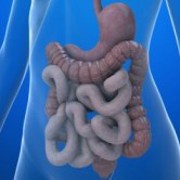 Photo: Getty Images
Some day soon doctors might have one more question to ask as they diagnose various digestive conditions: what kind of bacteria live in your gut?
Thanks to a study out of Europe, researchers have determined that people fall into one of three categories when it comes to intestinal microbes, or bacteria. It’s kind of like the division of the human population into blood types or eye color. Only this time the question is, are your gut bacteria from the type Bacteroides, Prevotella or Ruminococcus?
The answer might eventually help doctors determine your susceptibility to inflammatory bowel disease or obesity, as well as how good you are at metabolizing food and medications.
The classification into three types appears to be unrelated to nationality, ethnic background, gender, age or diet, according to the researchers at the European Molecular Biology Laboratory in Heidelberg, Germany. The study’s results appeared April 20, 2011, in the journal Nature.
As many as a thousand species of bacteria can flourish in the gut, where they help digest food and synthesize vitamins. A variety of bacterial cells also live in the mouth, nose, skin and urinary and genital tracts. In naming the three types of gut bacteria as either Bacteroides, Prevotella or Ruminococcus, the researchers are actually using the names of the bacteria that are most dominant in each of the three ecosystems.
The German team happened to be studying fecal samples from a small group of Europeans when it came across the bacteria types by comparing the cells from that study with cells from a small study group of Americans and Japanese. "We were very surprised" to see the cells clustering neatly into three groups, said Peer Bork, a senior author of the research. The study has now expanded to more than 400 samples, and the clustering is still evident, Bork added.
As for the impact of the discovery on diagnosis and treatment for intestinal issues, there is still much work to be done. An online article in Nature News explains that the researchers do know this: Bacteroides are good at breaking down carbohydrates; Prevotella tend to degrade slimy mucus in the gut; and some Ruminococcus help cells to absorb sugars. Such characteristics could prove to have links with weight gain, metabolism and stomach pain.
The German study and similar projects around the world are based on the realization that the bacteria in our guts play an important role in our overall health.
Source:
http://www.nature.com/news/2011/110420/full/news.2011.249.html
Deborah Ross writes about health, education, the arts and Arizona travel from her home in Phoenix.
Add a CommentComments
There are no comments yet. Be the first one and get the conversation started!