

Improved
6141 HealthChanged
3797 LivesSaved
3584 Lives0 lives impacted in the last 24 hrs Learn More
 Photo: Getty Images
Lyme disease is an invisible illness, in more ways than one. It's invisible in the sense that its symptoms are not readily recognized by others. This is compounded by the fact that people with Lyme tend to be housebound, even bedridden. And out of sight too often means out of mind.
Lyme is invisible in another sense, making life tougher still. The medical community has not come to any consensus on the cause, symptoms or even the widespread existence of this disease.
Many people with Lyme disease have been misdiagnosed and misunderstood by many in the medical community. If the sufferer does not display a bulls-eye rash for instance, Lyme as a possible diagnosis may be automatically discounted. If the sufferer does not recover after a few rounds of antibiotics, it's a short trip from an uncertain medical diagnosis to a stubborn certainty that the sufferer is a neurotic malingerer.
It's tough to be this invisible, especially when getting through a day takes everything you've got. Lyme opens up its victims to a life of pain and weakness.
People with Lyme may suffer neurological and sleep disturbances and profound cognitive problems. They may be very sensitive to light and sound. Their muscles may twitch, cramp and ache, and they may experience tingling and numbness. It may be impossible to stay upright, and breathing may come in panting gasps.
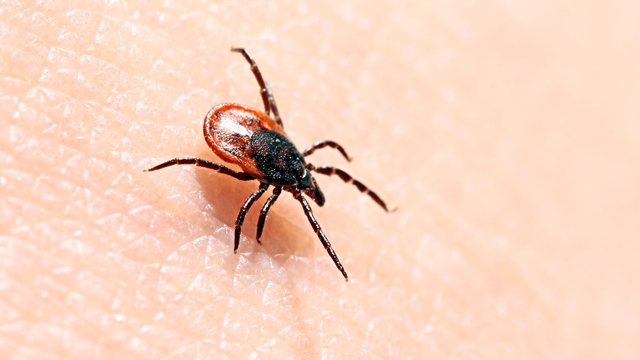
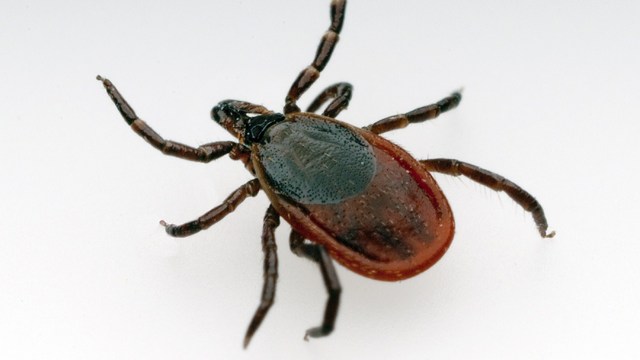
Lyme disease is caused by ticks that carry the bacterium Borrelia burgdorferi. It may be treated by antibiotics, or by a combination of natural therapies.
According to the International Lyme and Associated Diseases Society (ILADS) treatment with antibiotics should be long-term. ILADS cautions that short courses of antibiotics will only offer temporary relief, with a worse recurrence of Lyme disease just around the corner.
Doctors using naturopathic and homeopathic remedies recommend use of vitamins and minerals, as well as probiotics and other supplements to eliminate toxins, and to repair the body and its immune system. Once a proper diagnosis and appropriate treatment have been achieved, improvement is possible. Progress is slow and erratic.
A little more stamina, a little less pain, a little clearer concentration, may be followed by a dip in the road at any point. Patience is a must.
The invisibility that so often goes hand in hand with this disease needs to be eradicated, so that those with Lyme can receive the help they so desperately need and deserve. Support from people who can see that the sufferer is in the battle of a lifetime, is always a plus.
Resources:
Lyme Disease Basics for Providers
https://www.ilads.org/research-literature/lyme-disease-basics-for-providers/#:~:text
Lyme Disease Basics for Providers
https://www.ilads.org/research-literature/lyme-disease-basics-for-providers/
Treatment Guidelines
https://www.ilads.org/patient-care/ilads-treatment-guidelines/
Lyme disease
https://www.ncbi.nlm.nih.gov/pmc/articles/PMC3652387/
Lyme Disease Symptoms
http://www.cdc.gov/ncidod/dvbid/lyme/ld_humandisease_symptoms.htm
Visit Jody's website and blog at http://www.ncubator.ca and http://ncubator.ca/blogger
Add a Comment2 Comments
Great information and I can only hope many read it! This epidemic is a tragedy and it's time it be acknowledged by the IDSA!
February 21, 2011 - 1:58pmWe need to use the treatments that are working! Our ILADS trained docs are using best to date protocol for treatment.
This Comment
Thanks Jody! "Support from people who can see that the sufferer is in the battle of a lifetime, is always a plus." That certainly would be a plus but it seems it is also very rare.
February 17, 2011 - 7:12pmJill
This Comment