



Improved
6112 HealthChanged
3786 LivesSaved
3568 Lives0 lives impacted in the last 24 hrs Learn More
Researchers at the National Research Council’s head office in Ottawa, Ontario, Canada, have made a medical breakthrough in decreasing the rate at which ovarian cancer grows. Not only that, but new clinical trials conducted by both PharmaGap through the Ottawa Hospital Research Institute and the United States National Cancer Institute show that this treatment also works on many other types of cancer as well.
Researchers discovered a way of blocking the growth and spread of cancer cells. In all but one of their 14 strains of cancer on record and many of the 60 on which the U.S. NCI is now testing the drug, this new medication has been proven to decrease the rate of growth of the cancer.
The drug has entered the laboratory trial stage of testing and will be fully tested there before moving on to human clinical trials. Toxicology tests will also be done to measure any side effects that may be harmful to humans.
From the test tube to actual human clinical trials can take up to five years because there are so many avenues researchers have to look at before getting FDA approval for the drug and finally getting the drug ready for use.
Symptoms of Ovarian Cancer
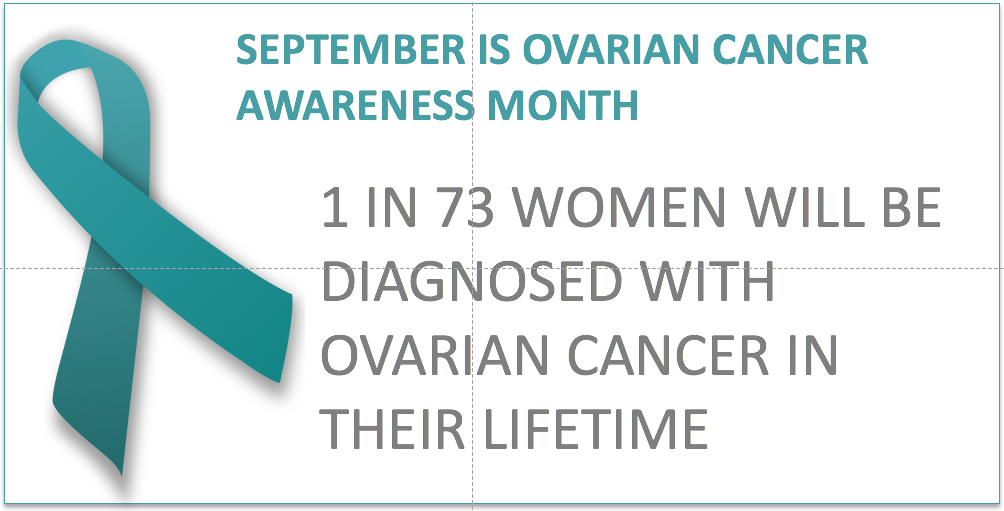
Ovarian cancer is known as the “disease that whispers” and “the silent cancer.” That’s because the symptoms are so subtle that they are often mistaken for “normal” PMS or menopausal symptoms: bloating, abdominal discomfort, and urinary/bowel changes. There are currently no screening tests for ovarian cancer so it is up to each woman to monitor these symptoms and if they persist for longer than three weeks, see your doctor.
Risk Factors
Researchers have discovered a gene that is present in women with a family history of breast cancer which is also present in those same women who end up with ovarian cancer: BRCA1 and BRCA2. This gene mutation occurs in families with a history of breast cancer and is known to increase a woman’s susceptibility to both breast and ovarian cancer. About 10 percent of ovarian cancer cases are because of this gene. The other 90 percent have no family history at all.
Treatments
At the moment, there still aren’t any cures. Research continues to focus on improving survival rates and quality of life for those with the disease, while working on finding a cure. This new drug is certain a step in the right direction. It will be exciting to watch as the clinical trials proceed.
More information about this drug and the clinical trials can be found at www.pharmagap.com (particularly under "News") or listen to an interview of Dr. Barbara Vanderhyden, Corinne Boyer chair in Ovarian Cancer Research at the University of Ottawa by CFRA’s Morning Show host Steve Madely, http://www.cfra.com/chum_audio/Evening_with_Abigail_Sept24.mp3.
Add a CommentComments
There are no comments yet. Be the first one and get the conversation started!