


Improved
6113 HealthChanged
3786 LivesSaved
3568 Lives0 lives impacted in the last 24 hrs Learn More
 Photo: Getty Images
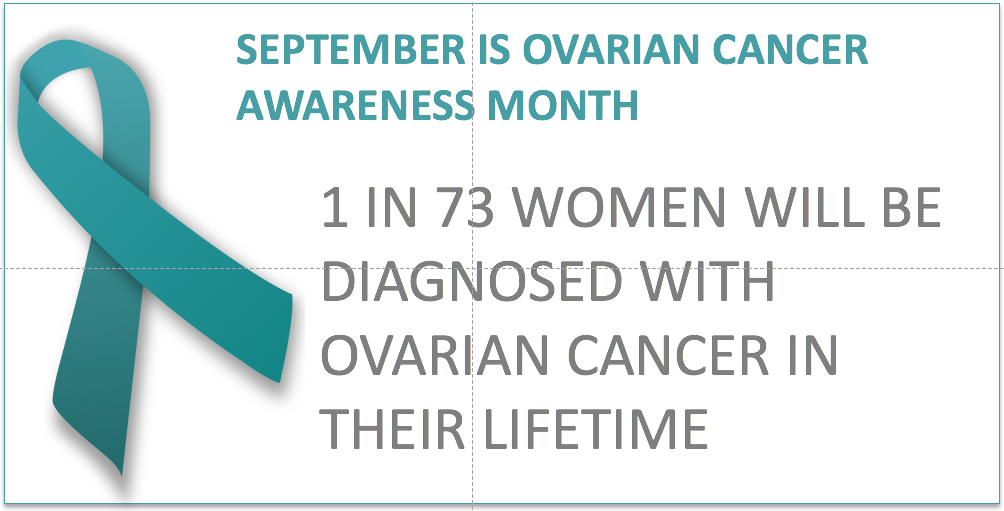
1) Ovarian cancer is the fifth most common cancer among women. An estimated 21,990 new cases will be diagnosed in the United States in 2011. More women die of ovarian cancer than any other type of female reproductive cancer. Approximately 15,460 women will die of ovarian cancer this year.
2) Ovarian cancer forms in the tissue of the ovary, which is one of a pair of female reproductive glands. The ova or eggs are stored and released each month from the ovaries. The ovaries produce the two female hormones, estrogen and progesterone.
3) There are three main types of ovarian tumors. Epithelial ovarian tumors are the most common type, form in the cells on the surface of the ovary and occur primarily in adults. Germ cell ovarian tumors are rare, beginning in the egg cells within the ovary and occurring primarily in children and teens. Sex cord stromal ovarian tumors are rare and form in the ovarian tissue which produces estrogen and progesterone.
4) An inherited gene mutation accounts for a small percentage of ovarian cancers. Two genes, BRCA1 or breast cancer gene 1 and BRCA2 or breast cancer gene 2 were originally identified in families with multiple cases of breast cancer. A significant increased risk for ovarian cancer has been identified in women with these gene mutations. Another known genetic link involves hereditary nonpolyposis rectal cancer and the increased risk for ovarian, endometrial, colon and stomach cancers.
5) A family history of ovarian cancer, a previous diagnosis of cancer, advanced age and never having been pregnant are risk factors which increase a woman's chance of developing ovarian cancer. There are inconsistent findings regarding the correlation between menopausal hormone therapy and the increased risk of ovarian cancer.
6) The symptoms often mimic symptoms of bladder and digestive system disorders. Abdominal bloating, pelvic pain, persistent indigestion and gas, changes in bowel habits, increase in abdominal girth, increased urinary urgency and frequency, loss of appetite, low back pain and persistent lack of energy are symptoms a woman must be cognizant of.
7) Currently, no screening test exists that can test for ovarian cancer in all women. One of three tests or a combination is recommended for women who are at a high risk. Two blood tests, the CA-125 and the OVA1, are available. The CA-125 blood test assesses the level of the protein CA-125, which exists in higher concentration in cancerous cells. This test is not a reliable early detection test but is helpful in monitoring the disease’s progress and the tumor’s response to treatment. The OVA1 test helps determine if the tumor is malignant. A transvaginal ultrasound is a diagnostic test that allows a physician to examine a woman’s reproductive organs and bladder. A probe is inserted into the vagina and sound waves are sent from the probe to a computer, which converts them to an image.
8) Generally, a pelvic examination and transvaginal ultrasound are used to diagnose ovarian cancer. Diagnosis is confirmed with a surgical biopsy of tissue. Further imaging studies such as a PET scan or positron emission tomography, are done to see if the cancer has spread.
9) The standard treatment for ovarian cancer is surgery followed by chemotherapy. Laparotomy is the surgical procedure used to diagnosis and stage or determine the extent of the cancer. It is used to perform cytoreduction. Cytoreduction or debulking surgery to treat ovarian cancer involves removing the ovaries, uterus, cervix, fallopian tubes and any visible sign of tumor.
10) Ovarian cancer is rarely diagnosed in its early stages. About 3 out of 4 women with ovarian cancer live one year after diagnosis. Prognosis is best if the cancer is detected early and treatment is begun before the cancer spreads. Most deaths from ovarian cancer occur in women age 55 and older.
Sources
PubMed Health: Ovarian Cancer
http://www.ncbi.nlm.nih.gov/pubmedhealth/PMH0001891
National Cancer Institute: Ovarian Cancer
http://www.cancer.gov/cancertopics/types/ovarian
Johns Hopkins Pathology: Ovarian Cancer
http://www.ovariancancer.jhmi.edu/typesca.cfm
Mayo Clinic: Ovarian Cancer Causes
http://www.mayoclinic.com/health/ovarian-cancer/DS00293/DSECTION=causes
Ovarian Cancer National Alliance: Detection Symptoms
http://www.ovariancancer.org/about-ovarian-cancer/detection
Memorial Sloan-Kettering Cancer Center: Ovarian Cancer Diagnosis & Treatment
http://www.mskcc.org/mskcc/html/98449.cfm
Reviewed August 8, 2011
by Michele Blacksberg R.N.
Edited by Jody Smith
Add a CommentComments
There are no comments yet. Be the first one and get the conversation started!