

Improved
6139 HealthChanged
3797 LivesSaved
3584 Lives0 lives impacted in the last 24 hrs Learn More
 Via Pexels
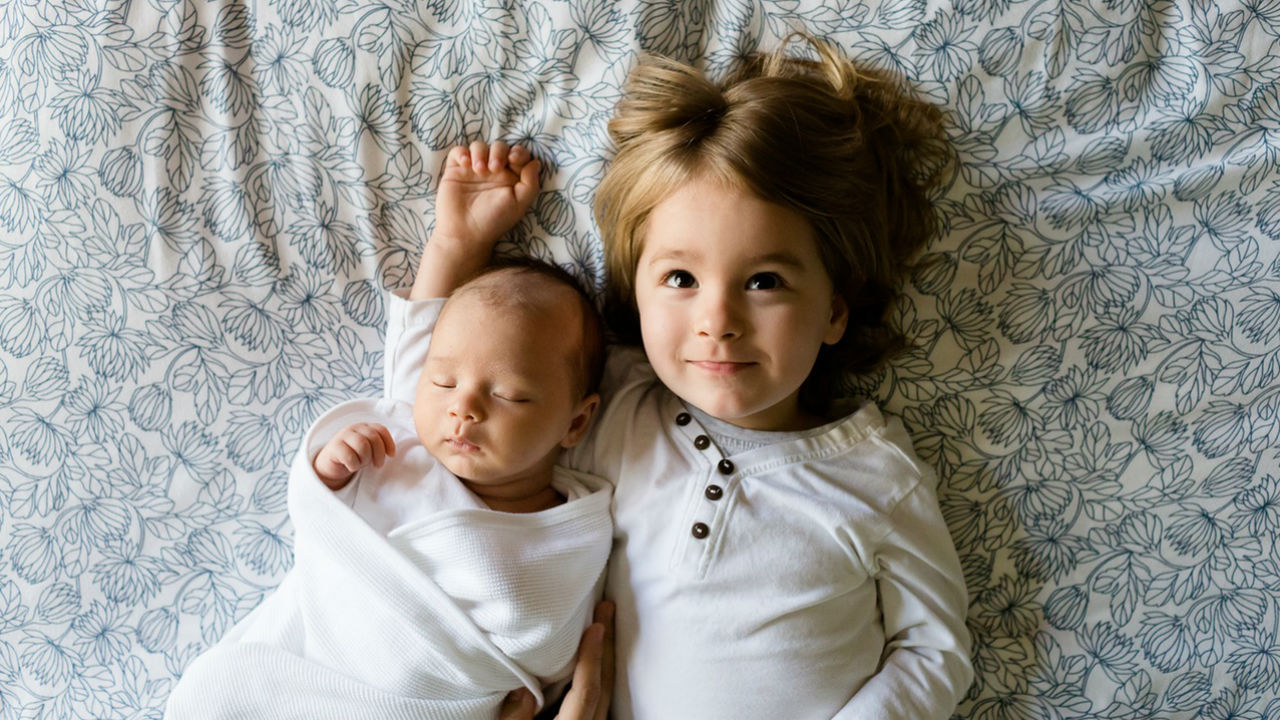
Babies are often cuddly, squirmy, happy little people. However, it is very likely that during their infancy they will acquire roseola.
As the Mayo Clinic says, this “generally mild infection is extremely common.”
Roseola, sometimes called Sixth Disease or baby measles, is characterized by a high fever, followed by a pink-red raised or flat rash.
The rash often appears as the fever is breaking, covering the child’s neck, face, arms, and legs and turns white when touched, says KidsHealth a project of Nemours, dedicated to improving children’s health.
This viral infection appears most often in between six months and two of age.
Suffering from a high fever, often over 103 degrees Fahrenheit, from 3-6 days, the rash will arrive later lasting from a few hours to a few days.
Along with a fever and rash, the child might also experience fatigue, irritability, decreased appetite, mild diarrhea, and swollen eyelids, says the Mayo Clinic.
However, in severe cases a fever can cause seizures.
As KidsHealth says, “The fast-rising fever that comes with roseola triggers febrile seizures (convulsions caused by high fevers) in about 10-15 percent of young children.”
Similarly, the Mayo Clinic says, “Although frightening, fever-related seizures in otherwise healthy young children are generally short-lived and are rarely harmful.”
Though the seizures will most likely not harm the child, a medical professional should be contacted immediately if this occurs.
Spread by nasal or throat droplets of those infected with roseola, this very infection is highly contagious. However, once the rash appears, it is much less contagious says the Mayo Clinic.
Though the infection is contagious, the Mayo Clinic says, “Unlike chickenpox or other childhood viral illnesses that spread rapidly, roseola rarely results in communitywide outbreak.”
Caused by human herpes virus (HHV) type 6 and 7, parents should know this is not the virus that causes cold sores or genital herpes.
Unfortunately, since roseola is a virus and not a bacteria is cannot be cured with antibiotics, says the Mayo Clinic.
Instead, the best cure is rest, increased fluid intake to prevent dehydration, and lukewarm sponge baths to ease the fever.
The best liquids to serve are flat ginger ale or lemon-lime soda, water, and Gatorade or other drinks packed with electrolytes, says the Mayo Clinic.
There are prescription medications available to lower the fever says KidsHealth, but they also recommend acetaminophen or ibuprofen.
Unlike the chickenpox or other common infections, roseola is unpreventable.
As the Department of Health and Human Services of New Hampshire says, “There is no recommended action for prevention therapy for other children attending the child care of for child care personnel.”
Most children will acquire roseola and once they catch it, the best cure is time.
However, if the child’s fever does not break within seven days, the child becomes lethargic, experiences a seizure, or the spots turn purple or blood colored, C.S. Mott Children’s Hospital recommends contacting a medical professional immediately.
Add a Comment4 Comments
Thank you for the info. I just picked up my granddaughter from daycare. I told my daughter that it looks like the roselo measles. I had her Google it and now we're feeling much better knowing that we're doing everything we should. She did have fever for a few days and now the rash. At least she doesn't have to run to the doctors office. Thanks again.
October 23, 2015 - 11:14amThis Comment
Is baby measles contagious for all? Adults as well as babies?
July 16, 2015 - 10:58amThis Comment
Thank you for the info! My little boy had fever for 3 days and then this bad rash and then I found this website!
May 3, 2012 - 11:06amThis Comment
Great information, my 2 yr. granddaughter just contacted a mild case. Thanks for the "flat ginger ale" tip.
January 7, 2012 - 8:13pmThis Comment