
Improved
6113 HealthChanged
3786 LivesSaved
3568 Lives0 lives impacted in the last 24 hrs Learn More
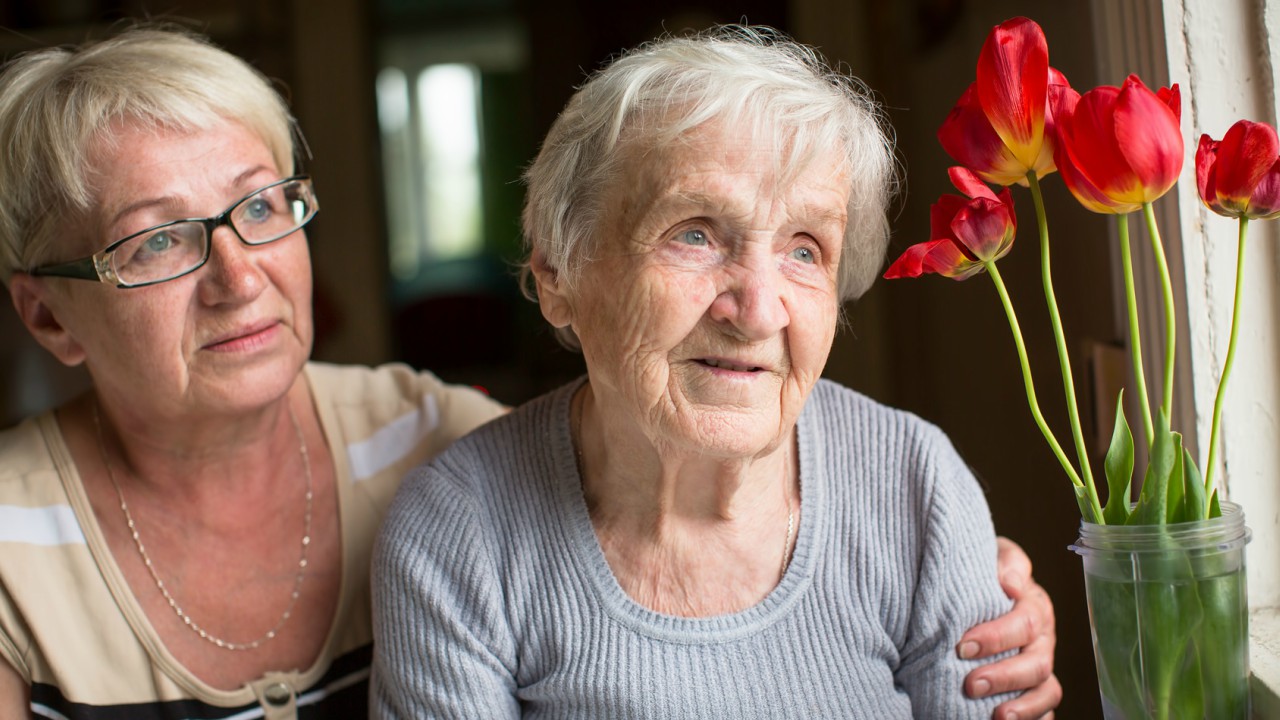
 Photo: Alzheimer's Drug Discovery Foundation
About 5.2 million people in the United States are estimated to have Alzheimer’s disease in 2013, according to the Alzheimer’s Association.
Patients with the condition have a progressive loss of cognitive functioning, which includes memory and language.
Multiple sclerosis affects more than 2.1 million people throughout the world, with women having the disorder two to three times more often than men, noted the National Multiple Sclerosis Society.
Several different types of symptoms can occur with multiple sclerosis, including fatigue, sexual dysfunction, vision problems and cognitive impairment.
In the United States, an estimated 2-4 out of every 100,000 children are diagnosed with Batten disease, an autosomal recessive disorder, stated the National Institute of Neurological Disorders and Stroke.
A fatal disorder, Batten disease symptoms present during childhood, with patients becoming demented and blind. People with Batten’s disease often die by their late teens and twenties.
What do these seemingly different disorders have in common? They all affect the central nervous system, or CNS, which consists of the brain and spinal cord. The effects of all three conditions can greatly impact patients’ functioning.
There is also no cure for any of these three diseases.
For Alzheimer’s disease, current medication options attempt to slow down the progression of the disease — MedlinePlus notes that these medications may only provide a small benefit — and ameliorate symptoms.
Medications for multiple sclerosis focus on modifying the course of the disease and managing symptoms.
With Batten disease, treatments try to alleviate symptoms.
That is where the Collaborative CNS Screening Initiative comes in.
The project, which involves collaboration between the Alzheimer’s Drug Discovery Foundation (ADDF), Beyond Batten Disease Foundation (BBDF) and the National Multiple Sclerosis Society, collects chemical compounds that have significant CNS activity.
The hope is that by sharing these compounds, researchers of CNS disorders can discover new and effective medications.
EmpowHER talked to Howard Fillit, M.D., Executive Director and Chief Science officer of the Alzheimer’s Drug Discovery Foundation. He discussed the goals of the Initiative, why these three organizations decided to collaborate on the project, and what they hope to accomplish.
EmpowHER:
What are the goals of the Collaborative CNS Screening Initiative?
Dr. Fillit:
The goal of the Collaborative CNS Screening Initiative is to build a central repository of chemical compounds for Alzheimer's disease and other brain disorders. By harnessing this growing body of promising central nervous system compounds, we can drive drug discovery.
EmpowHER:
Why did the Alzheimer’s Drug Discovery Foundation, Beyond Batten Disease Foundation and National Multiple Sclerosis Society decide to be involved in this initiative?
Dr. Fillit:
All three of our organizations focus on improving the lives of patients suffering with diseases of the central nervous system. This initiative will stimulate scientific collaboration in this space and hopefully lead to significant therapeutic advancements for these patients.
We can learn a lot about each of our different neurodegenerative diseases as there are common underlying mechanisms involved – we are very proud to partner together with BBDF and the Society to fund this important initiative.
EmpowHER:
How will the CCSI get the CNS-active compounds? What are the criteria?
Dr. Fillit:
Nine academic centers have already committed to participate in the CCSI. Although it will begin as an academic collaboration, the CCSI may eventually expand to include industry and other organizations. Eligible compounds must have not only demonstrated potential through primary screens but be validated through secondary assays, and exhibit other promising characteristics such as benefiting from chemical optimization.
EmpowHER:
What does the sharing of this knowledge mean for the development of treatment for disorders of the CNS?
Dr. Fillit:
Sharing knowledge is fundamental to scientific progress. By partnering together with BBDF and the Society, we are creating the platform for scientists to evaluate compounds that warrant further development and may ultimately lead to new treatments.
EmpowHER:
What is the timing of this project?
Dr. Fillit:
The project is just getting underway. While the initial funding is for one year, if the project is successful we hope there will be support to expand the initiative into a resource that will be available for many years to come.
References:
Interview with Howard Fillit, M.D. Email. 19 March 2013.
PRNewswire. Research Foundations Collaborate to Fund Repository of Promising CNS-Active Compounds. Web. 20 March 2013.
http://www.prnewswire.com/news-releases/research-foundations-collaborate-to-fund-repository-of-promising-cns-active-compounds-193822481.html
Alzheimer’s Association. Alzheimer’s Facts and Figures. Web. 20 March 2013.
http://www.alz.org/alzheimers_disease_facts_and_figures.asp#quickFacts
MedlinePlus Medical Encyclopedia. Alzheimer’s Disease. Web. 20 March 2013.
http://www.nlm.nih.gov/medlineplus/ency/article/000760.htm
National Multiple Sclerosis Society. Who Gets MS?. Web. 20 March 2013.
http://www.nationalmssociety.org/about-multiple-sclerosis/what-we-know-about-ms/who-gets-ms/index.aspx
National Multiple Sclerosis Society. Symptoms. Web. 20 March 2013.
http://www.nationalmssociety.org/about-multiple-sclerosis/what-we-know-about-ms/symptoms/index.aspx
National Institute of Neurological Disorders and Stroke. Batten Disease Fact Sheet. Web. 20 March 2013.
http://www.ninds.nih.gov/disorders/batten/detail_batten.htm
National Multiple Sclerosis Society. Treatments. Web. 20 March 2013.
http://www.nationalmssociety.org/about-multiple-sclerosis/what-we-know-about-ms/treatments/index.aspx
Reviewed March 20, 2013
by Michele Blacksberg RN
Edited by Jody Smith
Add a CommentComments
There are no comments yet. Be the first one and get the conversation started!