




Improved
6141 HealthChanged
3797 LivesSaved
3584 Lives0 lives impacted in the last 24 hrs Learn More
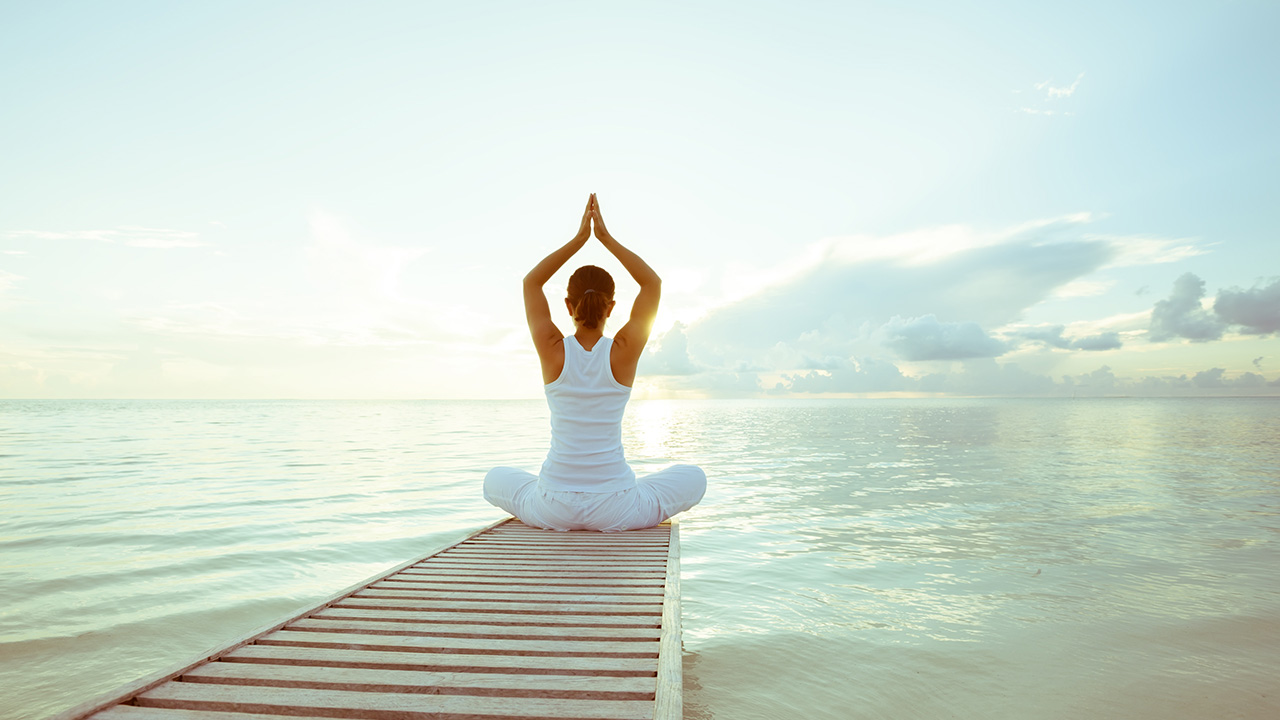 Photo: Getty Images
Anyone who has attempted yoga has felt it: the struggle of trying to avoid losing balance and falling, while also struggling with racing thoughts and feelings of frustration. Practicing yoga is difficult. In fact, many people attempt, but they often fail to maintain the practice of yoga because of anxiety, which paradoxically is one of the major things yoga can alleviate.
NYC based Yoga Teacher (RYT) and licensed Counselor (LMSW) Alena Gerst, founder of Yogalena Therapeutics, said that everyone who practices yoga deals with this problem, but what’s important is one’s perspective. “Posing, or Asana, is one of eight limbs to yoga, and thus, is an eighth of what yoga is really all about,” she said.
Focusing one’s attention on the pose itself is the best way to overcome anxiety. Gerst added, “During a forward bend, for example, instead of succumbing to racing thoughts about discomfort; breathe, and concentrate on the sensation of what you’re feeling (think: 'I have tight hamstrings,' as opposed to, 'this hurts and I want to stop')."
Gerst said if we focus on stretching, sensation, and breathing, it’s difficult to think of much else. If we use our bodies to teach us through Asana (posing), instead of thinking, “I hate this, and I have other things to do” (a common experience among beginners), we can focus on the sensation (where the actual practice of yoga begins).
Becoming aware of the moment and then taking meaning away from it will lessen anxiety, because the sensation really just means our muscles are tight, and it means nothing else. Whether a pose feels right or wrong is irrelevant. The key is not to attach any meaning to your practice, but to understand that yoga is always a work in progress.
Proper Pranayama (breath work) during yoga is crucial. Generally, most of us live in highly over-stimulated states of consciousness, guided by our sympathetic nervous systems’ “fight or flight” response. This increases the presence of adrenaline and hormones in our systems.
Slowing down breathing activates the parasympathetic nervous system (PNS). Following a “fight or flight” reaction, the heartbeat slows and blood pressure lowers. What this means is that slow, long breaths (the kind we take during yoga), activate our parasympathetic nervous systems and change our body chemistry. We leave the heightened state of arousal we are so used to living in on a daily basis, and we enter a less anxious state.
While we may achieve that maximum expression of a posture or pose over time, there will never be a lack of things to work on. This is because we must always engage in the practice of detaching ourselves from a goal of perfection. When we bring attention to our bodies, our muscles, and practicing detachment, anxious and racing thoughts will lessen. Of course, it’s important to remember that this takes time. But Gerst adds, “What you learn on the mat, you can apply in life.”
Reviewed June 27, 2011
Edited by Kate Kunkel
Add a Comment1 Comments
Yoga has been the answer to all my ails, even the ones doctors have tried medicating me for. I also was able to lose weight and am now working at toning. I recommend yoga to as many people as possible. namaste
June 27, 2011 - 6:05pmThis Comment