



Improved
6113 HealthChanged
3786 LivesSaved
3568 Lives0 lives impacted in the last 24 hrs Learn More
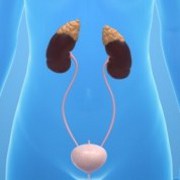 Photo: Getty Images
Maybe you’ve been in a casual conversation with your girlfriends when the subject of bladder trouble comes up. Someone is excusing herself to use the bathroom -- again -- plus she’s complaining of mild pain in an unusual area of her abdomen.
You and your friends might be correct in suggesting it’s a bladder infection, but it’s good to get one’s medical terms straight -- along with helping her check her calendar for a needed doctor’s appointment.
A “bladder infection” is one of three possible infections that can occur in the urinary tract. It’s possible, for instance, for the kidneys, which produce urine by removing waste and water from the blood, to become infected in a condition called pyelonephritis.
Then again, it could be a problem with the urethra, the tube that helps you empty your bladder. An infection is called urethritis.
But if it’s your bladder, where urine is stored, be aware that an infection in that area is the most common infection involving the urinary tract, and it’s called cystitis.
All of these “itises” come under the umbrella of urinary tract infections and produce similar symptoms, including: pain in your side, abdomen or pelvic area; a frequent need to urinate; painful urination; blood in the urine; and urine of an unusual color or smell. You could even feel fatigue, chills and fever from a urinary tract infection.
Medical experts note that UTIs are more common in women than men, with the simple reason being anatomy: the route by which bacteria can enter your urinary system is shorter in women. In fact, the female urethra is just an inch and a half.
In addition, the urethra is closer to the anus, where it’s common to find bacteria. Interestingly, more than 90 percent of cystitis cases come from E. coli bacteria (normally found in your gut) entering the urinary tract, according to the Cleveland Clinic.
Sometimes you can track the cause of cystitis to vaginal intercourse, which can allow bacteria to get to the bladder through the urethra. There’s a name for bladder infections that seem to occur almost every time a woman has sex: “honeymoon cystitis.”
Cystitis is often diagnosed in elderly women and men, especially those who have medical conditions or take medications that affect bladder and prostate function.
Furthermore, pregnant women often find themselves prone to infection because a growing fetus is pressing on the bladder.
Even though cystitis is common -- one woman out of five will get a UTI sometime in her lifetime, according to the Cleveland Clinic -- that doesn’t mean you can’t be proactive.
Keeping your bladder healthy should include these habits: drinking at least six to eight glasses of water a day; wiping your vaginal area from front to back after a bowel movement; urinating before and after sex; changing tampons and feminine pads frequently; guarding against vaginal dryness during sex with a water-based lubricant; and wearing cotton underwear.
Whether it’s through a casual conversation or other means that you suspect a bladder infection, let your healthcare provider conduct a urinalysis. If it is a UTI, it will most likely respond to treatment through antibiotics. If left untreated, cystitis can lead to kidney infections which, though rare, are much more serious.
Sources:
“Urinary Tract Infections.” Cleveland Clinic: Diseases & Conditions. ClevelandClinic.org. Web. 19 Sept. 2011. http://my.clevelandclinic.org/disorders/urinary_tract_infection/hic_urinary_tract_infections.aspx
“Understanding Bladder Infections -- the Basics.” WebMD: Information and Resources. WebMD.com. Web. 19 Sept. 2011. http://www.webmd.com/a-to-z-guides/understanding-bladder-infections-basic-information
Reviewed September 19, 2011
by Michele Blacksberg RN
Edited by Jody Smith
Add a CommentComments
There are no comments yet. Be the first one and get the conversation started!