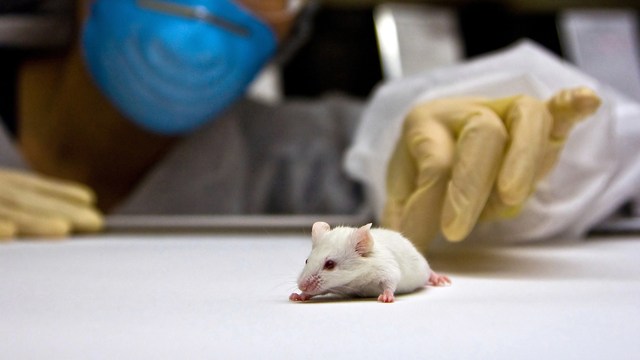
 Novel Drug Discovery Eradicates Deadly Leukemia in Mice



Improved
6112 HealthChanged
3786 LivesSaved
3568 Lives0 lives impacted in the last 24 hrs Learn More
Talk with your doctor about the best plan for you. Treatment of ALL is done is two phases. First remission induction therapy to kill leukemia cells. Then maintenance therapy to kill any remaining leukemia cells. Cells left behind could grow and cause a relapse. Treatment options include:
Chemotherapy is the use of drugs to kill cancer cells. It may be given by pill, injection, and via a catheter. The drugs enter the bloodstream and travel through the body. It kills mostly cancer cells, but also some healthy cells.
Clinical trials are now underway to test drugs. One drug is imatinib (Gleevec). This drug is used to treat chronic myelogenous leukemia (CML) . It helps to prevent the function of genes associated with ALL.
Some ALL may spread to the brain and spinal cord. In this case, intrathecal chemotherapy may be used. Chemotherapy drugs are placed directly into the spinal column.
Radiation therapy is the use of radiation to kill cancer cells and shrink tumors. For ALL, external radiation therapy is used. The radiation is directed at the tumor from outside the body. This type of treatment is used for ALL that has or may spread to the brain and spinal cord.
Chemotherapy is followed by a transplantation of stem cells (immature blood cells). These will replace blood-forming cells destroyed by cancer treatment. Stem cells are removed from the blood or bone marrow of the patient or donor. They are then infused into the patient.
This process is still being tested in clinical trials. This is the use of medications or substances made by the body. The substance is used to increase or restore the body's natural defenses against cancer. This type of therapy is also called biological response modifier therapy. Sometimes, very specific (monoclonal) antibodies are developed to target the leukemia cells specifically. Currently, monoclonal antibody therapy is restricted to clinical trails and not generally available.
People treated for ALL in their youth may have a risk of cancer later in life. A recent study found that they are more likely than the general population to develop a secondary cancer. The exact type of cancer can vary. It is important that people that have had ALL are carefully watched for new cancer development. These screenings should be carried out through their lifetime. *
Please be aware that this information is provided to supplement the care provided by your physician. It is neither intended nor implied to be a substitute for professional medical advice. CALL YOUR HEALTHCARE PROVIDER IMMEDIATELY IF YOU THINK YOU MAY HAVE A MEDICAL EMERGENCY. Always seek the advice of your physician or other qualified health provider prior to starting any new treatment or with any questions you may have regarding a medical condition. Copyright © 2024 EBSCO Publishing All rights reserved.