


Improved
6113 HealthChanged
3786 LivesSaved
3568 Lives0 lives impacted in the last 24 hrs Learn More
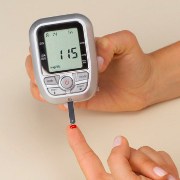 Photo: Getty Images
According to the Hormone Foundation, more than 57 million Americans have prediabetes and more than 23 million Americans have type 1 or type 2 diabetes.
There are three forms of diabetes. The more severe form of diabetes is type 1. If you have type 1 diabetes, you must take insulin daily. Ninety to ninety-five percent of people who have diabetes have type 2 diabetes. The most common type of diabetes is type 2. The third type of diabetes is diabetes during pregnancy which is also known as gestational diabetes.
When you have any of these forms of diabetes, you must monitor your blood glucose on a daily basis. This process is also known as self monitoring of blood glucose or home glucose monitoring.
One way to monitor your blood glucose is with a device known as a glucometer or blood glucose meter.
Monitoring your glucose supplies your health care professional with vital information. This information is used to determine the amount of medication and insulin your doctor prescribes for your diabetes.
This chart, provided by the Hormone Foundation, provides the target rate of your blood glucose and frequency of blood glucose monitoring:
Gestational diabetes
Number of glucose checks: 4-6 times per day
Timing: Before meals and 1-2 hours after meals
Recommended glucose target:
Before meals – 90–130 mg/dL
Two hours after meals - below 180 mg/dL
Type 2 diabetes with oral medication
Number of glucose checks:
• 3 times a week; 1-2 times per day (good glucose control)
• 3 or more times per day (poor glucose control)
Recommended glucose target:
Before meals – 90–130 mg/dL
Two hours after meals - below 180 mg/dL
Type 2 diabetes with insulin
Number of glucose checks: 2 or more times per day
Timing: Before meals and 2 hours after meals
Recommended glucose target:
Before meals – 90–130 mg/dL
Two hours after meals - below 180 mg/dL
Type 1 diabetes
Number of glucose checks: 3 or more per day
Timing: Before meals and 2 hours after meals
Recommended glucose target:
Before meals – 90–130 mg/dL
2 hours after meals - below 180 mg/dL
The cost of a glucometer varies. You may be able to receive a free glucometer from your health care professional or a rebate from the company. The main cost is for the lancet used to pierce your finger for blood collection. The cost for the lancet ranges from 50 cents to $1 per. The cost of the glucometer is covered by insurance. However, you will only receive partial reimbursement for the lancets.
Here is a list of all 2011 glucometers. This list was compiled by the annual Diabetes Forecast Consumer Guide: http://forecast.diabetes.org/files/images/v64n1_Meters_2-23-2.pdf
Diabetes can cause serious health issues. If you have any of the symptoms of diabetes, contact your health care professional immediately.
Sources:
http://www.dlife.com/diabetes/blood_sugar_management/testing
http://www.ndep.nih.gov/media/KnowNumbers_Eng.pdf
http://www.diabetes.org/living-with-diabetes/treatment-and-care/blood-glucose-control/checking-your-blood-glucose.html
http://diabetes.niddk.nih.gov/DM/pubs/glucosemonitor/
http://www.nlm.nih.gov/medlineplus/ency/article/003438.htm
http://www.hormone.org/Resources/Patient_Guides/upload/self-monitoring-of-blood-glucose-bilingual-071309.pdf
http://www.hormone.org/Diabetes/overview.cfm
http://www.diabetes.org/living-with-diabetes/treatment-and-care/blood-glucose-control/blood-glucose-meters.html
http://forecast.diabetes.org/magazine/features/blood-glucose-meters
Reviewed May 18, 2011
Edited by Alison Stanton
Add a CommentComments
There are no comments yet. Be the first one and get the conversation started!