




Improved
6112 HealthChanged
3786 LivesSaved
3568 Lives0 lives impacted in the last 24 hrs Learn More
 Photo: Getty Images
Like type 1 and type 2 diabetes mellitus, gestational diabetes affects how the cells use glucose. Glucose is the cells’ main source of energy. Unlike other types of diabetes, this type only develops during pregnancy. (1)
Gestational diabetes usually develops during the last half of pregnancy. It can sometimes present as early as the 20th week of gestation, (1) but is generally diagnosed between the 24th and 28th week.
It is an early warning for the risk of developing type 2 diabetes. (3) An estimated 18 percent of all pregnant women in the United States are diagnosed with gestational diabetes. (4)
Researchers do not know exactly why some women develop this condition. It is known that during pregnancy, the placenta, which is the organ that connects the baby by the umbilical cord to the uterus, produces certain hormones. These hormones help the baby develop.(4)
But, they also interfere and block insulin’s ability to manage glucose. (2). The resulting condition is called insulin resistance.
As the baby grows, the placenta produces increased amounts of the insulin-blocking hormones. (1) As insulin resistance increases, the mother’s pancreas produces more insulin, about three times the normal amount.
However, when the pancreas is unable to produce enough insulin to overcome the effect of the increased hormones, glucose remains in the blood rather than entering the cells. Blood glucose levels rise resulting in gestational diabetes. (2)
A woman is at risk if her pre-pregnancy weight is 20 percent or more over her ideal body weight. A family history of a parent or sibling having diabetes is a risk factor. Pregnant woman over the age of 25 are more likely to develop gestational diabetes.
Having gestational diabetes with a previous pregnancy or previously giving birth to a baby weighing over nine pounds or having a stillbirth increases the chances of developing insulin resistance during pregnancy. (2)
Most healthcare practitioners routinely recommend a glucose screening test called a glucose challenge test or GCT between the 24th and 28th week of pregnancy. (5) The test measures how the ingested glucose solution was processed by the body. If test results are abnormal, a fasting glucose test will be done. (2)
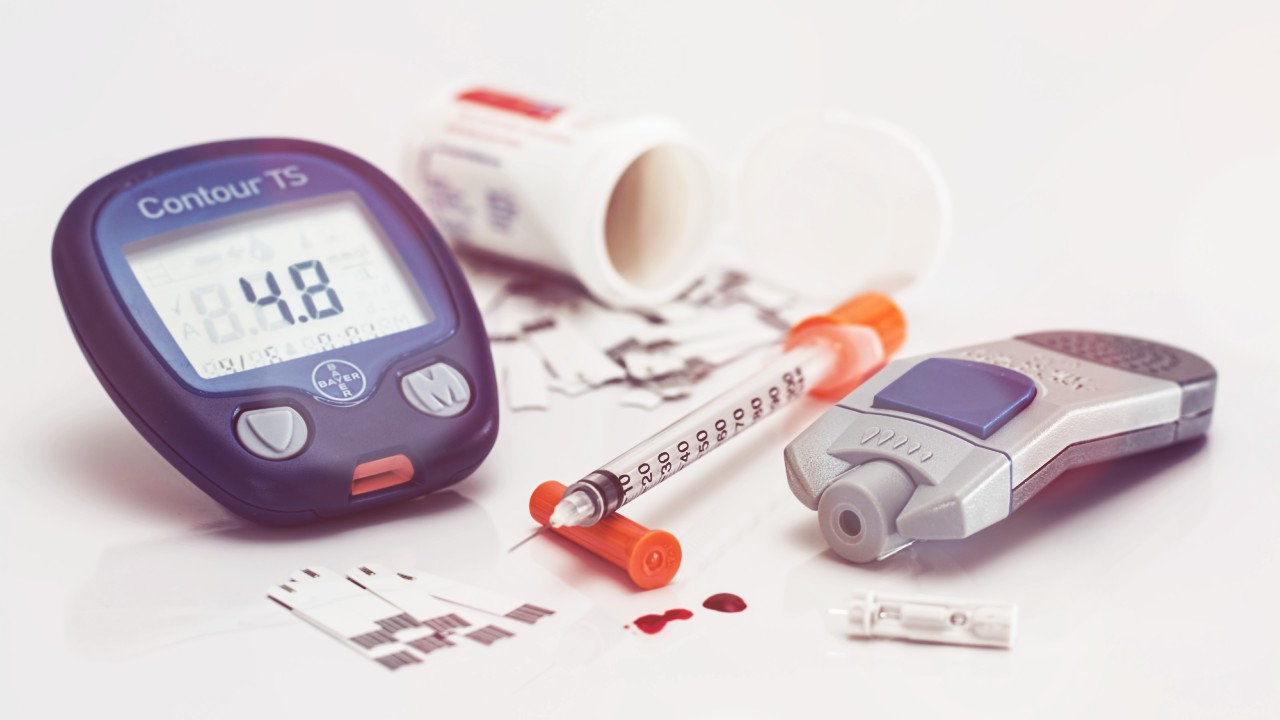
Gestational diabetes is managed with regular monitoring of blood glucose levels, specific dietary guidelines, such as eating less carbohydrates at breakfast than at other meals, following personal exercise guidelines recommended by your healthcare practitioner, monitoring your weight and taking insulin, if necessary.
Birth defects are not a common complication of gestational diabetes. Birth defects generally occur during the first 13 weeks of pregnancy and gestational diabetes generally does not develop until the 24th week of pregnancy. (2) However, untreated or poorly managed gestational diabetes can harm the unborn child.
Extra blood glucose crosses through the placenta and gives the baby high blood glucose levels. The baby’s placenta produces extra insulin to manage the blood glucose.
Since the baby is receiving more energy than is needed to grow, the extra energy is stored as fat. This can lead to macrosomia.
If the baby has grown too large, a cesarean delivery may be necessary. Macrosomia or fat baby can lead to damage to the baby’s shoulder during delivery.
A newborn may have low blood glucose levels at birth because its pancreas has been producing extra insulin. These newborns have a higher risk for developing breathing problems. They are at risk for childhood obesity and developing type 2 diabetes as adults. (4)
Sources:
Mayo Clinic: Gestational Diabetes, Oct. 8, 2011
http://www.mayoclinic.com/health/gestational-diabetes/DS00316 (1)
Cleveland Clinic: Gestational Diabetes, Oct. 8, 2011
http://my.clevelandclinic.org/disorders/diabetes_gestational/hic_gestational_diabetes.aspx (2)
CDC Podcasts: Gestational Diabetes and Women, Oct. 8, 2011
http://www2c.cdc.gov/podcasts/player.asp?f=11504&utm_source=WWW&utm_medium=ContentPage&utm_content=gestational&utm_campaign=CUA (3)
American Diabetes Association: What is Gestational Diabetes?, Oct. 8, 2011
http://www.diabetes.org/diabetes-basics/gestational/what-is-gestational-diabetes.html (4)
BabyCenter: Glucose Screening and Glucose Tolerance Test, Oct. 8, 2011
http://www.babycenter.com/0_glucose-screening-and-glucose-tolerance-tests_1483.bc (5)
Reviewed October 10, 2011
by Michele Blacksberg RN
Edited by Jody Smith
Add a CommentComments
There are no comments yet. Be the first one and get the conversation started!