



Improved
6113 HealthChanged
3786 LivesSaved
3568 Lives0 lives impacted in the last 24 hrs Learn More
 Photo: Getty Images
Endometriosis occurs when cells from the innermost lining of the uterus (endometrium) travel into the abdominal and pelvic area creating chaos. Because these cells respond to hormonal changes, they remain under the influence of estrogen and progesterone even in abnormal locations that commonly include the ovaries, intestines, rectum, and the pelvic and abdominal wall.
What causes this? Currently, nobody knows for sure but there are several theories that surround hormones (particularly estrogen), genetics, transplantation from surgery, a problem with the immune system, or issues during development in utero.
Most women report pain to be the number one symptoms of endometriosis, and by pain they usually mean severe debilitating pain that can take over their life especially during their menstrual cycle. Other common symptoms include pain with sex (especially deep penetration), back pain, heavy bleeding, pain with bowel movements, and leg pain (with cramps). Many women also report difficulty conceiving with endometriosis as the adhesions often interfere with the ovaries creating difficulty with ovulation and egg release as well as increasing inflammation in the area.
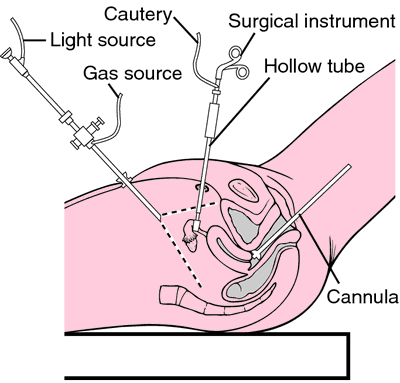
Diagnosis is difficult to make as endometriosis cannot be clearly seen on imaging such as an ultrasound or CT scan and to date there are no blood tests that indicate a positive. Many women go years with an improper diagnosis, commonly being treated for severe pain and heavy periods without knowing the cause. Typically surgery such as a laparoscopy is done to go in and visually evaluate for lesions, then remove them if possible. Many women report relief of symptoms after surgery, however the adhesions can always return.
Is it treatable? It is manageable but not all treatments apply to all women. Some do well with hormone-balancing options such as progesterone supplementation or inserting the progestin IUD known as the Mirena. Others utilize the birth control pill as it suppresses ovulation and provides outside hormonal influence. There are other medications known as gonadotropin releasing hormone agonists (like Lupron) however there are some significant side effects to take into consideration with your healthcare provider.
If you suspect you have endometriosis, talk with your healthcare provider about options for diagnosis and treatment.
References:
1) New Genes Linked to Endometriosis. Web. 19 Aug, 2011.
http://www.medscape.com/viewarticle/734211
2) Laparoscopic Treatment of Endometriosis Focusing on Fertility Outcomes. Web. 19 Aug, 2011.
http://www.medscape.com/viewarticle/571232
3) Endometriosis Management Reviewed. Web. 19 Aug, 2011.
http://www.medscape.com/viewarticle/724033
Reviewed August 19, 2011
by Michele Blacksberg R.N.
Edited by Jody Smith
Add a CommentComments
There are no comments yet. Be the first one and get the conversation started!