




Improved
6112 HealthChanged
3786 LivesSaved
3568 Lives0 lives impacted in the last 24 hrs Learn More
 Photo: Getty Images
Pregnancy is a special and unique experience that only belongs to women. Unfortunately so is gestational diabetes.
Gestational diabetes is a condition that is exclusive to pregnant women. In some pregnancies the hormone insulin is hindered from performing adequately because of hormones in the placenta.
Consequently, blood glucose (sugar) levels can rise. This hindrance of insulin is called insulin resistance.
As a result of insulin resistance, glucose can't be transformed into energy and remains in the blood. Glucose continues to build in the blood, causing hyperglycemia.
According to Diabetes.niddk.nih.gov, three to eight pregnant women out of every 100 in the United States will have gestational diabetes.
Some women are at greater risk of gestational diabetes than others. If you are past age 25 during pregnancy, you are at higher risk.
If you have a family history of diabetes, or if you have high blood pressure, you may be at higher risk for gestational diabetes. If you've had an unexplained stillbirth or miscarriage, you may be at risk.
If you were overweight before you became pregnant, or if you have given birth to a baby that was heavier than nine pounds at birth, you may be at risk for gestational diabetes.
You may experience fatigue or blurry vision. You may be very thirsty, and need to urinate more than normal.
You may have frequent infections, such as bladder, skin and vaginal infections. You may experience nausea and vomiting.
It's a good idea to have an oral glucose tolerance test sometime between weeks 24 and 28 because gestational diabetes is most likely to appear halfway into the pregnancy. If it's already been determined that you are at high risk for gestational diabetes, this test can be taken at an earlier point.
A fasting blood glucose test requires that you have nothing but water for at least eight hours before the test. A random blood glucose test can be taken any time.
For a screening glucose challenge test, your blood glucose level will be checked an hour after you consume a sugary drink. This test can be done any time of day.
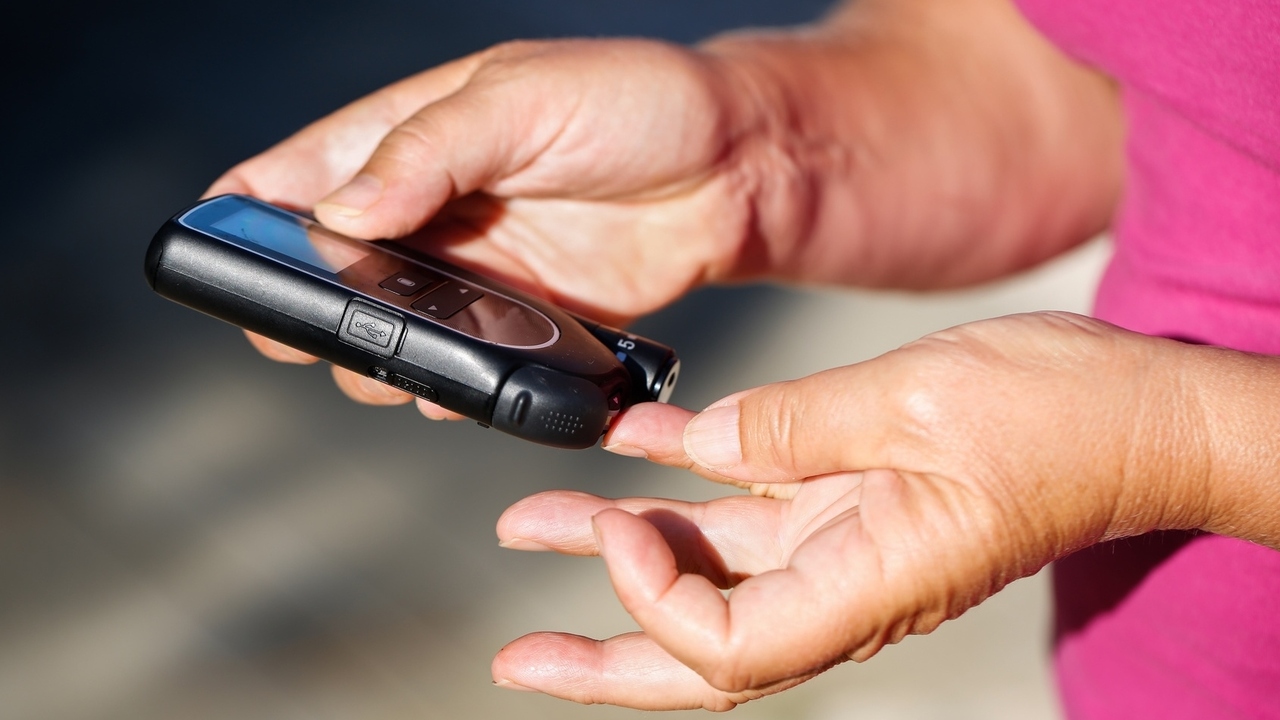
If you find that you do indeed have gestational diabetes, you can monitor your condition by testing your blood glucose levels at home. A glucose reading can be performed as simply as pricking a finger.
Generally symptoms of gestational diabetes are mild, and usually blood glucose levels will even out after you have given birth.
Sources:
Gestational diabetes.Ncbi.nlm.nih.gov. Web. October 4, 2011.
http://www.ncbi.nlm.nih.gov/pubmedhealth/PMH0001898
What I need to know about Gestational Diabetes. Diabetes.niddk.nih.gov. Web. October 4, 2011.
http://diabetes.niddk.nih.gov/dm/pubs/gestational
What is Gestational Diabetes? Diabetes.org. Web. October 4, 2011.
http://www.diabetes.org/diabetes-basics/gestational/what-is-gestational-diabetes.html
Visit Jody's website and blog at http://www.ncubator.ca and http://ncubator.ca/blogger
Reviewed October 5, 2011
by Michele Blacksberg RN
Add a Comment1 Comments
Type 2 Diabetes and Gestational diabetes was reversed in over 20,00 women with a specialized diabetes dit and no drugs.
October 5, 2011 - 8:07amSee here http://spirithappy.org/wp/2011/09/14/diabetes-now-kills-4-6-million-every-year-diabetic-overweight-or-thin-the-illness-is-taking-lives/
This Comment