


Improved
6112 HealthChanged
3786 LivesSaved
3568 Lives0 lives impacted in the last 24 hrs Learn More
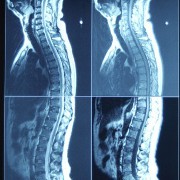
The shock-absorbing pads located between the bones of the spine are called disks. While they do not technically “slip,” they can split or rupture. As a result, the disk will fail and the gel can escape into the surrounding tissue. This gel can place pressure on either the spinal cord or on a single nerve fiber. This can cause pain around the damaged disk or somewhere along the particular area controlled by that nerve. In medical circles, a “slipped disc” is more accurately referred to as a herniated, ruptured, or prolapsed disk. In layman’s terms, however, the misnomer of “slipped disc” abounds.
The lower back is the most frequently affected area, but any disk can rupture, even those located in the neck. In addition to degeneration and loss of elasticity, disks can become injured through improper lifting, twisting, or turning. Sudden forceful trauma can contribute to a slipped disc, as can any excessive strain in conjunction with physical activities.
When a disk in the neck is injured, you may feel numbness, tingling, weakness, or pain in the hand, arm, neck, or shoulder. If the slipped disk occurs in the lower back, you may notice numbness, tingling, weakness, or pain in your feet, legs, back, or hindquarters. It may hurt to move or to do simple leg raises. Even coughing can contribute to pain in that area. You may also experience difficulty in controlling your bowel and bladder functions.
So how do you know when to seek medical treatment for a slipped disk? If you have any back pain that greatly limits your normal activities, or if you have any back pain that persists for more than a few days, or notice any numbness, weakness, fever, abdominal pain, chest pain, bowel, or bladder control problems, then you should contact your doctor. At such a time, he or she may suggest an emergency office visit or instruct you to go to the emergency room.
If an injury that may contribute to more significant back or neck problems, such as a direct impact to the spine or a fall from a great height, you should be immediately examined at the hospital’s emergency room. It may be prudent to call 911 so that medical teams can be alerted to immobilize the spine, guarding against any further damage.
If you are uncertain as to the extent and severity of your injury, it is best that you seek medical attention from a qualified expert who can safely evaluate your condition.
(Information for this article was found at http://www.emedicinehealth.com)
Add a CommentComments
There are no comments yet. Be the first one and get the conversation started!