


Improved
6112 HealthChanged
3786 LivesSaved
3568 Lives0 lives impacted in the last 24 hrs Learn More
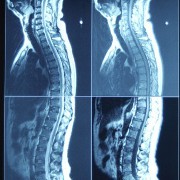
As flexible as your spine is - considering it is a chain of bones linked together - it is still just that, bones. And in between those bones little “sponges” known as discs act as shock absorbers for your spine. When one of those cheese-like texture discs is damaged due to wear and tear or injury, they bulge or break open, allowing the fluid inside to leak out. This is known as a herniated disc. If you are one of the millions coping with this condition, or portray habits that put you at risk for a herniated disc, it will be to your benefit to read on.
Back pain can sometimes be hard to diagnose because of the endless possibilities, but to distinguish something like muscle soreness from an actual issue that needs medical attention, ask yourself these questions:
1) Are you experiencing numbness and weakness in any of your limbs, particularly your legs?
2) Have you lost control of your bladder or bowel movements?
These are two distinct symptoms of a herniated disc, and you should seek medical attention immediately if your answer is yes to one or both of these questions. But do not be fooled! Unfortunately – and fortunately - depending how you look at it, a herniated disc may not put you in pain at all. I say unfortunately because then you have no way of knowing your disc is bulging, which can lead to worse complications if not treated, and fortunately because you are not in pain. It’s a catch 22 sword I guess.
As I said earlier, a herniated disc can develop over time, due to wear and tear, or old age as they call it. Be it as it may, the habits you form over your lifetime can ultimately be the determining factor of the health of your spine in your future, or for some, the present. And speaking of habits – or routine - it is important to note that your occupation can be a huge contributing factor to a herniated disc. If your job requires sitting at a desk or in a car for a long period of time you are more susceptible to getting a herniated disc than someone who is on their feet for the better half of the day.
As the double-edged sword goes, staying active is the best way to stay healthy. That is, until you are jogging, trip over a rock, sprain your ankle, fall on your back and presto-chango, you end up with a herniated disc. That is what we call karma folks. Stay as far away from it as possible.
All fate, karma and clumsiness aside, being sedentary for long periods of time ages your spine faster than a person who incorporates exercise in their daily routine. When you stay seated all day, everyday, your spine stiffens, becoming less flexible for the one time you do trip over your own two feet. Then your body can’t absorb the fall like it should be able to. Even for a person who refuses to exercise daily, keep an open mind to getting up frequently and taking five minutes to stretch out and go for a little walk. Small adjustments can lead to a huge payoff for your spine – not to mention it takes some stress off your brain.
So, if you are someone who has a herniated disc and suffering from back pain, numbness and weakness or nothing at all, you should still come back Wednesday to see what your treatment options are and ways to reduce your pain and strengthen your back and core.
Add a CommentComments
There are no comments yet. Be the first one and get the conversation started!