



Improved
6113 HealthChanged
3786 LivesSaved
3568 Lives0 lives impacted in the last 24 hrs Learn More
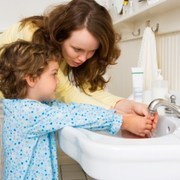 Photo: Getty Images
The Centers for Disease Control and Prevention (CDC) has estimated that over 14,000 Americans are infected with the shigella bacteria each year.
The highly contagious family of shigella bacteria infects the digestive tract and causes cramping, bloody diarrhea, vomiting and nausea and sometimes fever.
Although most cases go away on their own, some require antibiotics to shorten the length of illness.
Since shigellosis is most common in young children, aged two to four, there are several important precautions that parents and caregivers can take to prevent the spread of shigella infections and to ensure that a sick child doesn’t dehydrate.
Careful, thorough, and frequent hand-washing with soap, by people of all ages, is the best way to prevent the spread of this bothersome bacterium. Remind children to wash hands after using the restroom and before they eat.
The CDC recommended a 20 second hand-washing — the same amount of time it takes to hum the tune to “Happy Birthday,” twice.
Always wash hands after helping a sick child in the bathroom. The toilet and other bathroom surfaces used by a child with shigellosis should be cleaned and disinfected, frequently.
Place used diapers in a sealed garbage can where they can’t be touched, especially by other children. Clean and disinfect the diaper change area after each use.
The CDC also reminded us that proper preparation, handling, and storage of food and water can help prevent shigella infections. Keep cold foods cold and hot foods hot to prevent the growth of bacteria. A caregiver that is sick with shigellosis or has experienced diarrhea for at least 2 days, should avoid preparing food for others.
The CDC also recommended against water play areas in daycare centers. To prevent "traveler’s diarrhea", only drink treated or boiled water, eat cooked, hot foods and only fruit that you have peeled yourself, with clean hands.
According to the Mayo Clinic, a stool sample may be used to confirm that your child has shigellosis. If your health care provider decides to treat with antibiotics, be sure your child takes them as prescribed.
The Mayo Clinic warns that non-prescription anti-diarrhea products can actually make symptoms worse and should be avoided. Your doctor will recommend what your child should eat and drink to help prevent dehydration during diarrhea. An oral re-hydration solution, like Pedialyte, may be recommended.
Children and adults who experience extreme dehydration from their diarrhea symptoms may need fluids replaced intravenously, at the emergency room.
Sources:
Centers for Disease Control and Prevention. Shigellosis. Web. 16, Jan. 2012.
http://www.cdc.gov/nczved/divisions/dfbmd/diseases/shigellosis/#how_common
Mayo Clinic. Shigella. Web. 16, Jan. 2012.
http://www.mayoclinic.com/health/shigella/DS00719
Reviewed January 17, 2012
by Michele Blacksberg RN
Edited by Jody Smith
Add a CommentComments
There are no comments yet. Be the first one and get the conversation started!