


Improved
6112 HealthChanged
3786 LivesSaved
3568 Lives0 lives impacted in the last 24 hrs Learn More
 Photo: Getty Images
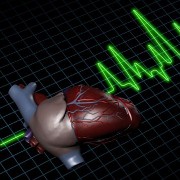
Long QT syndrome is a cardiac condition in which a patient has arrhythmias in response to stress or exercise. These arrhythmias are dangerous, sudden and uncontrollable. The condition gets its name from the pattern it produces on an electrocardiogram (EKG), a test for the heart’s electrical activity.
The heart has five electrical waves, which have letter names: P, Q, R, S and T. Patients with long QT syndrome have a longer QT interval — the electrical activity between the Q waves and the T waves — than normal.
Long QT syndrome can be inherited or acquired. The MayoClinic.com noted 12 genes have been linked to the condition, and that mutations of three of these genes account for 70 to 75 percent of cases.
There are two types of inherited long QT syndrome: Romano-Ward syndrome and Jervell and Lange-Nielsen syndrome. Romano-Ward syndrome is more common than Jervell and Lange-Nielsen syndrome. Certain medications can lengthen the QT interval. This type of acquired long QT syndrome is also known as drug-induced long QT syndrome.
Certain symptoms of long QT syndrome start during childhood. For example, patients with the disorder may faint, with fluttering feelings in their chest. Patients with long QT syndrome usually do not have the regular warning signs that they are going to faint. These signs include blurred vision, heart palpitations, weakness and lightheadedness.
If a patient faints when swimming, she may drown or nearly down. Another serious symptom of long QT syndrome is unexplained sudden cardiac arrest. With sudden cardiac arrest, a person’s heart stops beating for no apparent reason. The National Heart, Lung and Blood Institute stated that in about one in 10 people with long QT syndrome have either sudden cardiac arrest or sudden death as their first sign of the condition.
While rare, symptoms of long QT syndrome may occur during sleep, according to the MayoClinic.com. Some people may have an abnormal heart rhythm while they are sleeping, which can result in noisy gasping. Another possible symptom is seizures.
If a patient continues to have irregular heart rhythms, it affects the oxygen supply to the brain. This can lead to generalized seizure, in which the patient has irregular electrical activity in the brain that affects both brain hemispheres.
References
MayoClinic.com. Long QT Syndrome. Web. 30 November 2011.
http://www.mayoclinic.com/health/long-qt-syndrome/DS00434/METHOD=print
National Heart, Lung and Blood Institute. What is Long QT Syndrome?. Web. 30 November 2011.
http://www.nhlbi.nih.gov/health/health-topics/topics/qt
National Heart, Lung and Blood Institute. What are the Signs and Symptoms of Long QT Syndrome?. Web. 30 November 2011.
http://www.nhlbi.nih.gov/health/health-topics/topics/qt/signs.html
Reviewed November 30, 2011
by Michele Blacksberg RN
Edited by Jody Smith
Add a CommentComments
There are no comments yet. Be the first one and get the conversation started!