



Improved
6112 HealthChanged
3786 LivesSaved
3568 Lives0 lives impacted in the last 24 hrs Learn More
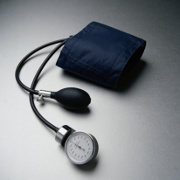 Photo: Getty Images
I say blood pressure - - you say high! Blood pressure – high! Blood pressure – high!
While it may sound like a chant from a high school cheer, “high” is the word that most of us naturally associate with when blood pressure is mentioned -- and high blood pressure is a condition we strive to avoid.
Unfortunately, what many of us may not realize is that blood pressure can actually become too low. Hypotension, or low blood pressure, can cause numerous health problems, some of which are life threatening, as well.
Simply put, blood pressure is a measure of how much force your blood places on artery walls every time your heart beats. Blood pressure readings measure two separate events: systolic pressure or amount of pressure that occurs when the heart beats, and diastolic pressure or the amount of pressure that happens when your heart is at rest between beats.
The two measurements are expressed together and provide an indication of whether or not there is normal or too much pressure placed on the artery walls when the heart beats. The following blood pressure ranges are generally accepted:
• Hypertension or high blood pressure: 140/90 or higher
• Prehypertension: between 120/80 and 139/89
• Normal blood pressure: 120/80 or lower
• Hypotension or low blood pressure: 90/60 or lower
Because the pressure exerted is lower than normal with hypotension, vital organs such as the heart, brain, or kidneys, for example, do not receive enough blood. Low blood pressure may cause numerous symptoms including such things as dizziness, nausea, lack of concentration, fainting, vision problems, cold skin, clammy skin, fatigue, thirst, rapid breathing, depression, or nausea. In some cases, low blood pressure can be life-threatening.
There are some people, such as athletes , who tend to have naturally low blood pressure and don’ exhibit any symptoms or adverse side effects. However, it’s important to note that low blood pressure is frequently a symptom of an underlying medical condition such as:
• Pregnancy: Systolic blood pressure frequently drops 10-15 points during the first two trimesters of pregnancy as the body attempts to adjust to the rapidly expanding circulatory requirements. Generally, pregnancy induced low blood pressure will return to normal after birth.
• Heart conditions such as heart attack, heart failure, bradycardia or low heart rate, some heart valve problems.
• Dehydration due to overexposure to heat, too much exercise or misuse of diuretics; may also lead to hypovolemic shock which can be life-threatening.
• Endocrine problems such as underactive or overactive thyroid, Addison’s disease or low blood sugar or hypoglycemia.
• Sudden uncontrolled or excessive bleeding /blood loss due to trauma or surgery or other medical procedure.
Other medical conditions such as infection or septicemia, or severe allergic reactions can cause low blood pressure, as do medications such as alpha and beta blockers, diuretics, Viagra, tricyclic antidepressants, painkillers, alcohol, and drugs commonly taken for Parkinson’s disease. In addition, low levels of vitamin B-12 and folate lead to anemia which contributes to low blood pressure.
While multiple conditions may cause low blood pressure, these are the most common types of low blood pressure:
• NMH or neutrally mediated hypotension is triggered by standing for long periods of time. It's most common in children and younger adults.
• Orthostatic hypotension is triggered by change in body position such as sitting to standing. It occurs most frequently in those with high blood pressure, Parkinson’s disease, or the elderly.
• Severe hypotension is caused by sudden blood loss, allergic reaction, shock, or infection.
If you have low blood pressure, it’s important to understand the underlying cause and work with your health care provider to treat the root cause.
If there is no apparent underlying cause, low blood pressure may be controlled by increasing the amount of salt in your diet, increasing your fluid intake to avoid dehydration, limitingalcohol consumption, wearing compression stocking to prevent blood pooling in legs, improving your diet to ensure you are getting enough nutrients, and eating small low-carb meals.
In addition, your physician may prescribe medications such as fludrocortisone, Orvaten or Proamatine to treat your low blood pressure.
Sources:
Hypotension, NBCI National Center for Biotechnology Information, US National Library of Medicine, 20 Feb 2011, http://www.ncbi.nlm.nih.gov/pubmedhealth/PMH0004536
Low Blood Pressure (Hypotension), The Mayo Clinic, 19 May 2011, http://www.mayoclinic.com/health/low-blood-pressure/DS00590
High Blood Pressure. MedlinePlus, National Library of Medicine. 01 Sept 2011. http://www.nlm.nih.gov/medlineplus/highbloodpressure.html
Low Blood Pressure. MedLinePlus, National Library of Medicine. 31 Aug 2011. http://www.nlm.nih.gov/medlineplus/lowbloodpressure.html
Reviewed September 5, 2011
by Michele Blacksberg R.N.
Edited by Jody Smith
Add a CommentComments
There are no comments yet. Be the first one and get the conversation started!