




Improved
6112 HealthChanged
3786 LivesSaved
3568 Lives0 lives impacted in the last 24 hrs Learn More
Ovarian cysts are sacs of fluid that form on the surface of the ovaries. Although ovarian cysts are most common in women who are of child-bearing age, approximately 17 percent of women who have gone through menopause or “the change” will also develop ovarian cysts. Of those, approximately 60 percent of ovarian cysts in women over age 80 will be cancerous.
The ovaries are organs located in a woman’s pelvis on either side of the uterus or womb. During a woman’s normal monthly cycle, an egg develops in a follicle or sac on the surface of one of the ovaries. Hormones trigger the follicle to open and release the egg into the fallopian tube, which carries the egg to the uterus. If the egg is fertilized, it will implant in the uterus and develop as a baby.
Most ovarian cysts occur when the sac holding an egg does not open to release the egg. This kind of cyst is called a functional cyst because it occurs as a result of the normal function of the ovary. When the sac does not open, fluid can accumulate inside the sac and it can continue to grow. In other cases, the egg is released, but the opening in the sac seals closed again so that fluid continues to build up inside the follicle, creating a cyst.
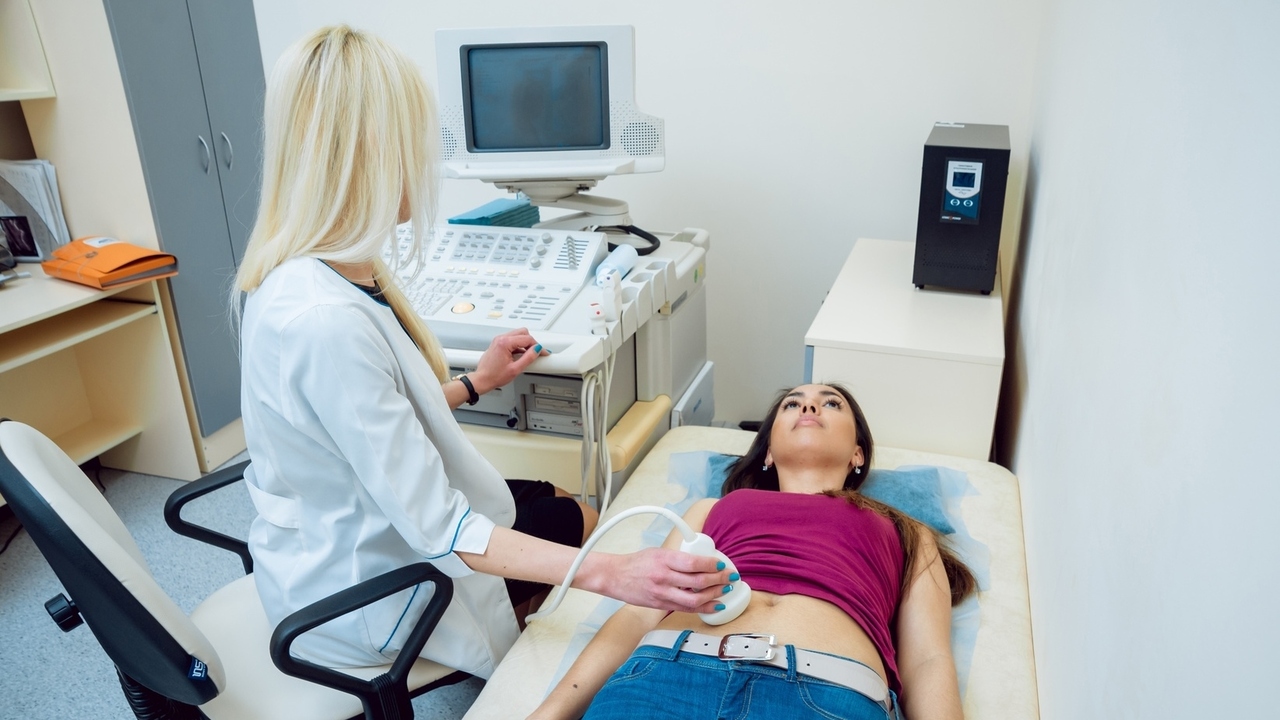
Benign (non-cancerous) cysts are the most common type of ovarian cysts in women after menopause. But because the risk of ovarian cancer increases after menopause, any ovarian cyst should be evaluated carefully to rule out the possibility of cancer. The doctor may order a sonogram which is a test that uses sound waves to create an image of the ovaries to help your doctor see the cyst. Your doctor may also order a CA-125 blood test to check for ovarian cancer cells. This test is not accurate for detecting ovarian cancer before menopause, but is accurate after menopause. Even if the sonogram and CA-125 tests are normal, the doctor may recommend surgery to remove either the cyst or the entire ovary. This is because women who develop ovarian cysts between the ages of 50 and 70 have a much higher risk of developing ovarian cancer.
If cancer is found, or if ovarian cysts are causing swelling in the abdomen or other symptoms, surgery can remove the ovary to eliminate the cysts. At one time, it was routine for doctors to perform a full hysterectomy by removing the uterus along with both ovaries if a woman was menopausal. More recent research indicates the risks of this more complicated surgery may outweigh the advantages. More doctors now recommend just removing the effected ovary without performing a full hysterectomy to treat ovarian cysts in women who are post menopausal.
Because of the higher risk of ovarian cancer be sure to continue regular exams and tell your doctor if you suspect you could have ovarian cysts after menopause.
Sources:
OvaryResearch.com
American Chronicle
OvarianCystsInfo.com
National Women’s Health Information Center
Add a Comment1 Comments
With age being one of the greatest risk factors involved in Ovarian Cancer - it's important for post-menopausal women to be aware of the symptoms of cysts and to closely monitor them with their healthcare provider. We go into it closely here (http://womensvoicesforchange.org/ovarian-cysts-in-post-menopausal-women-what-to-look-for-and-what-to-ask.htm), but as you were so great in explaining - it is crucial to continue regular exams and monitor any cysts even if they are non-harmful.
January 5, 2011 - 12:31pmThis Comment