



Improved
6112 HealthChanged
3786 LivesSaved
3568 Lives0 lives impacted in the last 24 hrs Learn More
Polycystic ovarian syndrome (PCOS) is a diagnosis that used to be called a “syndrome.” Syndromes are a compilation of symptoms with the absence of absolute diagnostic criteria. The syndrome predominantly revolved around infertility with the presence of cystic ovaries. Along with these criteria were obesity, acne, facial hair, depression, fatigue, etc.
This “syndrome” needs to be renamed, as physicians know that the primary defect is NOT in the ovaries and in fact has absolute diagnostic laboratory findings. PCOS is simply insulin resistance diagnosed when women’s FSH/LH levels (blood work) have a shifted ratio. In non-PCOS women, the ratio is 2:1. In PCOS women it is less than this and often shifted to a 1:2 ratio or worse.
Today we know that cysts do NOT have to be present to be accurately diagnosed with PCOS. In fact, women who have had their ovaries removed are frequently diagnosed with PCOS. Understanding why some women will get cysts on their ovaries and others do not identifies why the name is not reflective of the underlying condition anymore.
The culprit in PCOS is how insulin interacts with the receptor site on cells – nothing more, nothing less. The reason many more symptoms than the ones listed above exist is because insulin interacts with every cell in the body. Insulin is required to carry glucose (sugar) into cells. Insulin levels will increase either immediately or years after receptors become damaged. Stress is a main cause of receptor site changes. Once receptor site changes have occurred long enough, insulin levels will begin to increase. Not all people with insulin resistance have elevated insulin levels. It depends on when the condition is diagnosed.
Insulin increases an enzyme in the ovary (P450c17 alpha), which can cause cysts. We all have a unique metabolic response. 50 percent of women will make more insulin in response to the receptor site changes and 50 percent will not. This is why we have missed more than 50 percent of insulin-resistant women who simply don’t have cysts on their ovaries.
One hormone change triggers another, which changes another. This makes a vicious cycle of out-of-balance hormones. In addition, one receptor change on the cell membrane triggers another, which changes another. Women with insulin resistance often have cortisol resistance, thyroid resistance, progesterone resistance, etc. Once insulin resistance reverses (usually takes six months), response to all hormones improves.
The diagnostic criterion is a laboratory finding that shows abnormal ratios of the pituitary hormones, leutinizing hormone (LH) to follicle-stimulating hormone (FSH), as stated above.
Symptoms of PCOS can be one or more of the following, yet can be silent for many years:
- Tendency to gain weight (10 to 200 pounds)
- Mood swings (anxiety, depression)
- Fatigue
- Acne
- Excess hair growth on face
- Thinning hair
- Irregular menses
- Poor fertility
- Cystic ovaries
Not all patients have all these symptoms. Some patients don’t have any of these symptoms and they just begin to manifest around perimenopause. A telltale sign that PCOS exists in perimenopausal women is when they have an atypical response to bioIdentical hormone replacement therapy by getting acne or not having relief from hormone therapy of current symptoms.
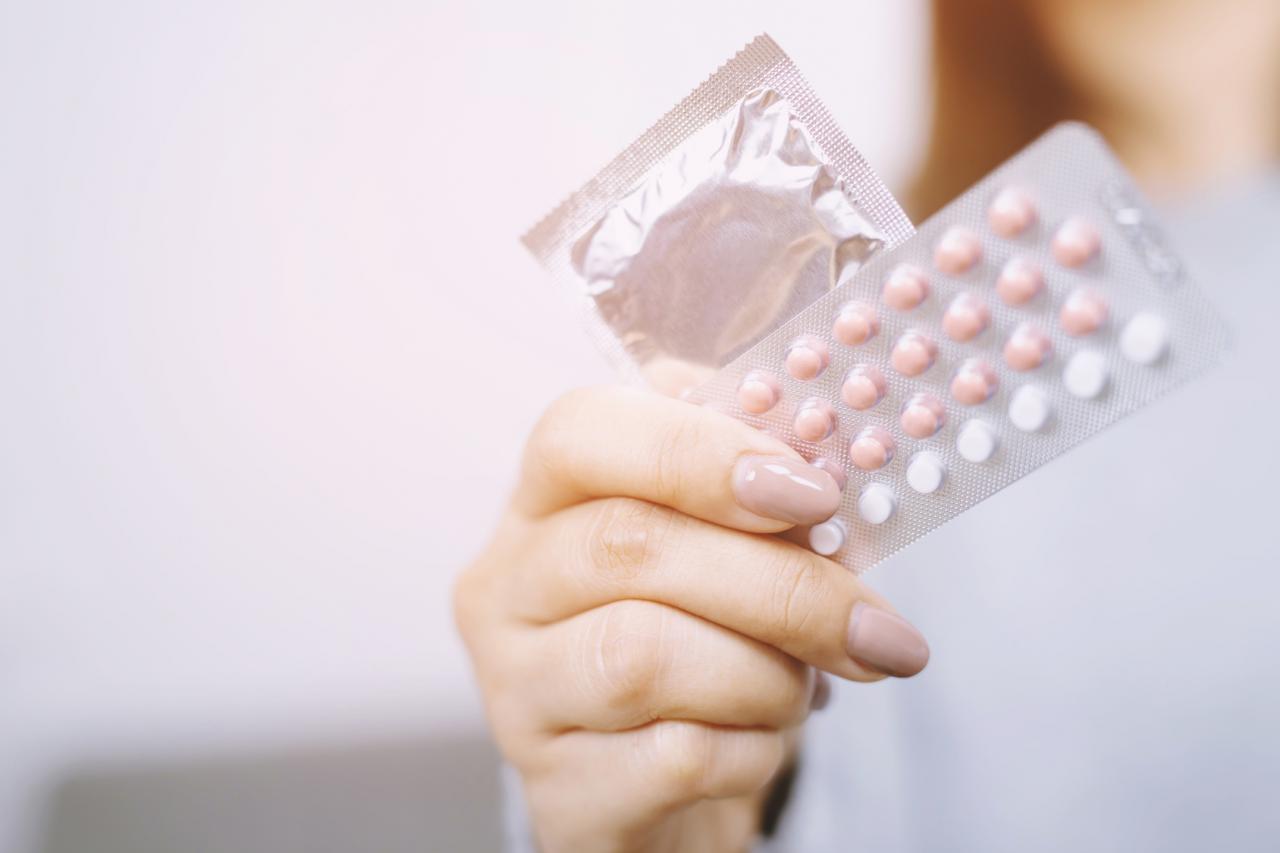
As mentioned earlier, stress is the most common cause to receptor site changes. Poor sleep, poor nutrition, habitual caffeine and/or alcohol use, synthetic birth control pills and chronic antibiotic use are some main contributors to stress.
To properly treat PCOS, we have to address cellular health:
- Stress triggers must be identified and addressed
- Nutritional optimization
- Vitamin or medication use to reverse insulin resistance
Treatment
Nutrition:
- Gluten-free carbohydrates
- Up to 80 gm/day of carbohydrates (gluten free) in one day
- Protein – at least 90 gm per day
- Eat small amounts of food every three hours rather than large, infrequent meals
- Keep something sweet (hard candy) with you in the event that you feel your blood sugar dropping
B12 is used for both options. Sublingual (dissolved under the tongue four times daily or injections given at home two to three times weekly).
Medication Option
Metformin - 500 mg XR (increase dosage slowly):
- One tab daily for first week.
- One tab twice daily for second week.
- Two caps in the morning and one in the evening for one week.
- Two caps twice daily thereafter for six months.
---Decreases the absorption of dietary carbohydrates through the intestines.
---Reduces the production of glucose by the liver.
---Increases the sensitivity of all cells to insulin.
Spirinolactone – 25 mg (used if you suffer acne only)
Supplement Option
Insimax – Two capsules twice daily; clears insulin receptors
Go Green – One twice daily; provides antioxidant support and hormonal regulation
Vitamin D3 5,000 – One daily; supports hormonal regulation and supports insulin receptors
Ovablend – Two to three twice daily; herbal combination that decreases the ovarian enzyme that causes cysts
Link to article: http://www.drramsey.com/news/polycystic-ovarian-syndrome-pcos/
Add a CommentComments
There are no comments yet. Be the first one and get the conversation started!