




Improved
6112 HealthChanged
3786 LivesSaved
3568 Lives0 lives impacted in the last 24 hrs Learn More
According to the Centers for Disease Control and Prevention, "One out of every three people in the United States will develop shingles." Shingles is also known as herpes zoster or zoster.
The same virus which causes chickenpox also causes shingles. The varicella zoster virus remains dormant in your body after you suffer chickenpox. Medical experts are uncertain why the virus reactivates and causes shingles years later.
Your risk of shingles increases with age. Generally, men and women over 60 years of age develop shingles. This age group represents over 50 percent of shingles cases. However, some children are known to have shingles after they suffer from chickenpox. Also, you may only suffer from one case of shingles in your lifetime. But, there have been rare instances where patients will have shingles two or three times during their lifetime.
According to the CDC, symptoms of shingles include:
• Fever
• Upset stomach
• Chills
• Tingling, itching and pain of the skin
• A painful rash of blister-like sores (usually on one side of the body)
• Rash or sores are often on the torso or face
• Headache
You cannot transmit shingles from person-to-person contact. However, you can transmit shingles to a person who has never suffered chickenpox. This individual may develop chickenpox versus shingles. Chickenpox can be life-threatening to older patients.
If you are in the blister phases of shingles you are contagious and can pass the virus to others.
The CDC recommends the following tips if you have shingles blisters on your skin:
• Wash your hands to prevent the spread of the virus
• Keep the rash covered
• Do not touch or scratch the rash
Also, the CDC recommends shingle patients should avoid contact with others until their rash "crusts" or develops a type of scab. Those with shingles should also avoid contact with:
• Persons with compromised immune systems (recipients of an organ transplant, cancer patients undergoing chemo, HIV patients, etc.)
• Infants born with a low birth weight or prematurely
• Pregnant women who have never had the varicella vaccine or chickenpox
If you have shingles, your doctor may prescribe an antiviral medication to reduce the symptoms and length of the disease. Contact your doctor immediately if you have any of the above symptoms.
To relieve itching try calamine lotion, an oatmeal bath or wet compresses. Also, to minimize any pain-related symptoms to shingles try a pain medicine.
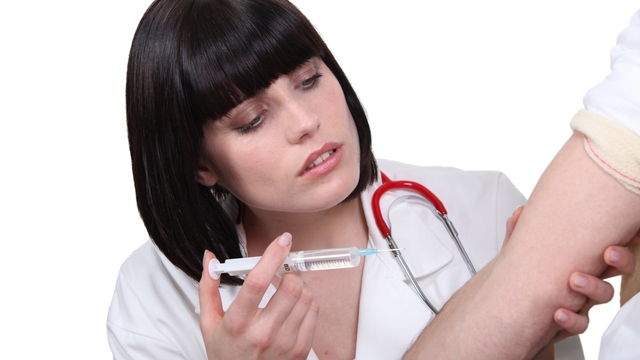
The only way to prevent shingles is to receive a vaccine. The CDC recommends the one-time Zostavax vaccine for individuals over the age of 60. The vaccine is covered by all Medicare Part D plans.
Sources:
CDC - Shingles Overview - Herpes Zoster. Centers for Disease Control and Prevention. Retrieved August 26, 2011, from http://www.cdc.gov/shingles/about/overview.html
Vaccines: VPD-VAC/Shingles/Shingles (Herpes zoster) Vaccination: What You Need to Know . Centers for Disease Control and Prevention. Retrieved August 26, 2011, from
http://www.cdc.gov/vaccines/vpd-vac/shingles/vacc-need-know.htm#get-vaccine
CDC - Shingles Prevention and Treatment - Herpes Zoster. Centers for Disease Control and Prevention. Retrieved August 26, 2011, from http://www.cdc.gov/shingles/about/prevention-treatment.html
CDC - Shingles Transmission - Herpes Zoster. Centers for Disease Control and Prevention. Retrieved August 26, 2011, from http://www.cdc.gov/shingles/about/transmission.html
Reviewed August 26, 2011
by Michele Blacksberg R.N.
Edited by Jody Smith
Add a CommentComments
There are no comments yet. Be the first one and get the conversation started!