


Improved
6112 HealthChanged
3786 LivesSaved
3568 Lives0 lives impacted in the last 24 hrs Learn More
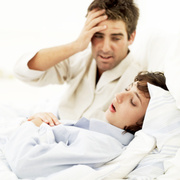 Photo: Getty Images
People with sleep apnea have pauses in their breathing, or breathing becomes shallow, while they're asleep. This can happen for a few seconds to a few minutes at a time and up to 30 times during an hour of sleep.
Deep sleep can be jolted into light sleep during these breathing pauses. Sleep quality suffers and people with sleep apnea are consequently tired a lot.
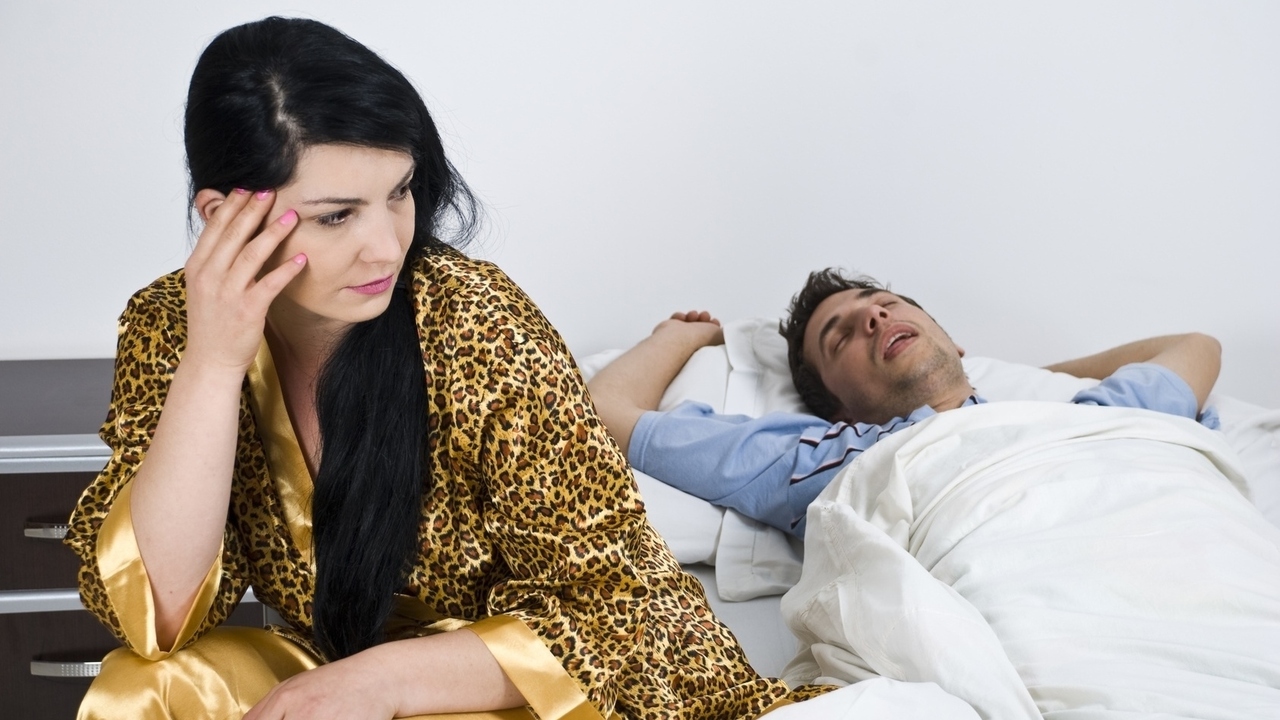
It's not unusual for people to suffer from sleep apnea and not be aware of it. A partner will likely be the one who notices something isn't right.
Obstructive sleep apnea is the most common sleep apnea. Central sleep apnea occurs less frequently. Some people can have a combination of obstructive sleep apnea and central sleep apnea.
Overweight people may have an obstruction because of the extra weight. Enlarged tonsil tissue can also cause obstructive sleep apnea.
High blood pressure can put you at higher risk for sleep apnea. If you are over the age of 65 you are at higher risk for sleep apnea. If it runs in your family, this also raises your risk.
People with obstructive sleep apnea may find themselves overwhelmingly sleepy during the day. A partner may notice that they stop breathing while they're asleep and they may snore loudly.
The person with obstructive sleep apnea may wake up with a dry mouth, sore throat or a headache. He or she may awaken often through the night and have problems falling back asleep.
Obstructive sleep apnea can happen when muscles in your throat relax to the point that the airway narrows. The throat muscles are support for the soft palate, the uvula (hanging from the soft palate), tongue and tonsils.
This causes problems for the brain and body because it can reduce oxygen levels in the bloodstream. The brain doesn't like this so it disrupts sleep enough to widen the airway ensuring that breathing resumes. At least for awhile.
Central sleep apnea is less common. It's caused when the problem within the brain isn't sending the right messages to the muscles that regulate breathing.
People with central sleep apnea may waken abruptly, short of breath. They may snore, and their breathing may stop while they are asleep.
Like people with obstructive sleep apnea, they may experience a dry mouth, sore throat or a headache when they wake in the morning. They may also struggle with intense fatigue during the day.
If you think you may have sleep apnea of either type, you should see your doctor.
Sources:
What Is Sleep Apnea? Nhlbi.nih.gov. Retrieved Oct. 25, 2011.
http://www.nhlbi.nih.gov/health/health-topics/topics/sleepapnea
Sleep apnea. Mayoclinic.com. Retrieved Oct. 25, 2011.
http://www.mayoclinic.com/health/sleep-apnea/DS00148
Sleep apnea: Symptoms. Mayoclinic.com. Retrieved Oct. 25, 2011.
http://www.mayoclinic.com/health/sleep-apnea/DS00148/DSECTION=symptoms
Sleep apnea: Causes. Mayoclinic.com. Retrieved Oct. 25, 2011.
http://www.mayoclinic.com/health/sleep-apnea/DS00148/DSECTION=causes
Sleep apnea: Risk Factors. Mayoclinic.com. Retrieved Oct. 25, 2011.
http://www.mayoclinic.com/health/sleep-apnea/DS00148/DSECTION=risk-factors
Visit Jody's website and blog at http://www.ncubator.ca and http://ncubator.ca/blogger
Reviewed October 26, 2011
by Michele Blacksberg RN
Edited by Malu Banuelos
Add a CommentComments
There are no comments yet. Be the first one and get the conversation started!