



Improved
6141 HealthChanged
3797 LivesSaved
3584 Lives0 lives impacted in the last 24 hrs Learn More
 Photo: Getty Images
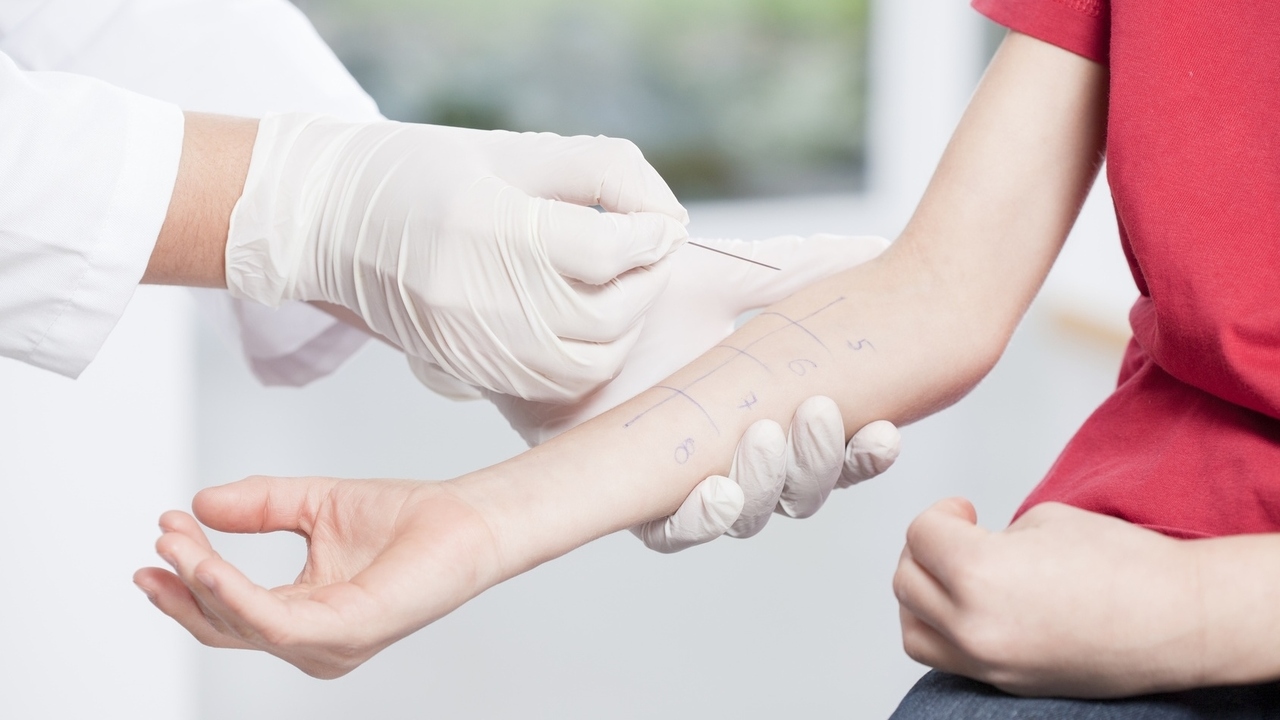
Skin testing is a way to determine what substances a person may be allergic to. Common allergens are pollen, grass, animal dander, food, mold or medication. If a person has a positive reaction to a suspected allergen, then it means that their body is producing an antibody against that irritant.
Skin testing for allergies began in 1865 when Dr. Charles H. Blackley scraped an area on his own arm and then applied grass pollen grains to the abrasion using wet lint. He developed intense itching and his skin broke out demonstrating how the body can have skin response to an allergen placed on the skin. In the 1900’s, other forms of skin testing were developed that have been further refined into the methods used today.
The three types of skin testing are: scratch, intradermal or patch.
Scratch testing is performed by a nurse or a doctor. A drop of the suspected allergen is placed on the forearm (or back) after the area is cleaned with alcohol. A disposable device is used to prick or puncture the skin to push the allergen into the top layer of the skin. Before testing, the areas are pre-marked by drawing a circle in ink where the allergen will be placed and any changes to the skin will be recorded.
Intradermal testing is similar to how a TB test is done. The skin is cleaned with alcohol and the nurse positions the tiny needle attached to a syringe just under the top layer of skin. A small bubble will appear as she injects the liquid that contains the allergen. The area will be observed similar to the scratch test.
Patch testing is used to identify what substance may be causing an allergic skin rash. The patch will trigger itching and irritation if you are allergic to the allergen it contains. Patches are left on for up to 48 hours and will be checked when you return to the doctor. Both scratch testing and intradermal testing are checked about 15-30 minutes after exposure to an allergen, during the same visit to the doctor.
Precautions:
There is minimal risk of having a serious reaction to skin testing. If after the test you develop any symptoms of a rash, swelling or breathing trouble contact your doctor or go to an emergency room right away.
It is also important to not take medications, especially anti-histamines, before having the skin test so your body will accurately react to the suspected allergen.
Skin testing results will enable your doctor to determine how best to treat or prevent future allergic outbreaks. Typically, avoidance of allergens that are food related is one straightforward step. Other allergens such as molds or grasses may be able to be treated with desensitizing shots where small increasing doses of the allergen are given over several months to help get allergies under control.
sources:
http://www.webmd.com/allergies/guide/skin-test
http://allergies.about.com/od/allergies101/a/allergytest.htm
http://www.aafp.org/afp/2002/0815/p621.html
Michele is an R.N. freelance writer with a special interest in woman’s healthcare and quality of care issues. Other articles by Michele are at www.helium.com/users/487540/show_articles
Add a CommentComments
There are no comments yet. Be the first one and get the conversation started!