



Improved
6112 HealthChanged
3786 LivesSaved
3568 Lives0 lives impacted in the last 24 hrs Learn More
Problems with the skin are some of the most frustrating symptoms to treat on the body because they could be caused by almost anything.
Certain skin conditions are easier to identify such as the marks of chicken pox, the blisters of shingles, or the dark coloring of a mole.
What happens if your symptoms are more general. How do you treat that?
Eczema is a very common skin complaint that affects millions of people. It is known as atopic dermatitis which means "inflammation of the outer layer of the skin."
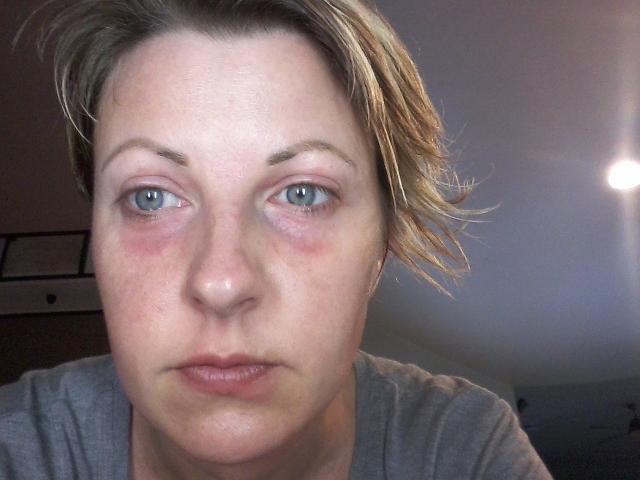
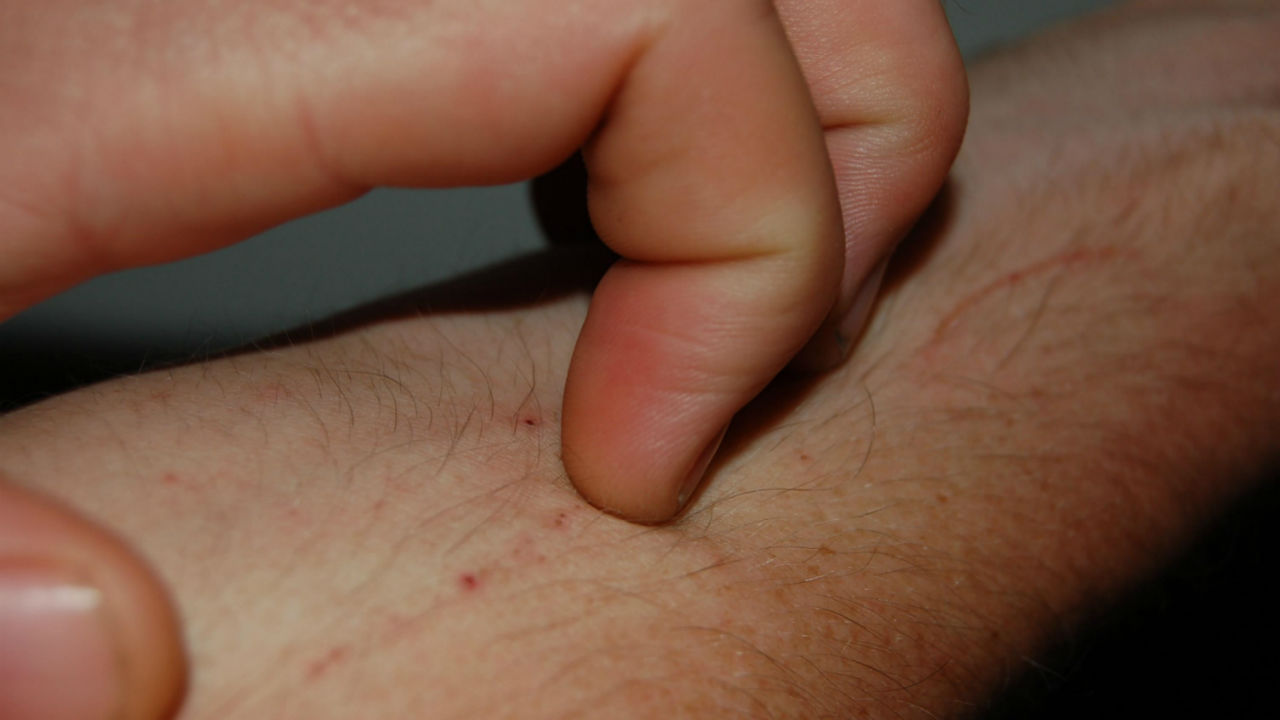
Many people recognize eczema as it usually occurs in patches anywhere on the body and is characterized by red, dry, flaking areas of skin that typically itch. Severe eczema can crack and bleed especially when scratched over and over worsening the inflammation.
Eczema is typically caused by environmental influences such as things you touch, lotions, shampoos, fragrance, soaps, hand sanitizers, plants such as poison ivy, chemicals, cleaning products, outdoor allergens like pollen, animal dander and such.
There is a large genetic component to eczema and many afflicted can trace it back into their parents, grandparents and siblings. Eczema can also worsen with stress and food allergies or food intolerances.
As there is no true test for eczema, health care providers typically identify it by sight and get a detailed history to see if there are things in your life, work or hobbies that may be triggers.
Treatment typically involves using fragrance-free body and household products and evaluating items you may be exposed to on a daily basis as a cause.
Topically, steroid creams are very helpful at eliminating the symptom however the condition commonly returns when you stop applying it. Be aware that long-term cortisone use is discouraged as it thins skin.
Hypoallergenic lotions keep the skin hydrated, vitamin E oil and jojoba oil can also help with the healing process.
Consider eliminating the most common food allergies such as wheat, dairy products, eggs, corn, sugar, and nuts to see if you notice a difference. Keep in mind that you must do this for at least six weeks before reintroducing the food one at a time.
Psoriasis on the other hand is a completely different skin condition from eczema as it has a strong immune system link with many calling it an autoimmune disease.
The cells of the skin receive a mixed signal to speed up their growth cycle leading to the most common form of psoriasis where the skin develops plaques of thickened scaling skin that is either red, silvery white or both.
It is most commonly seen on the elbows and knees but can develop patches in other places such as the hands, buttocks, scalp, feet and legs.
Some people also develop psoriasis in their finger and toenails such that they appear pitted, thickened or with lines, and others develop arthritis which is known as psoriatic arthritis. This arthritis is much different from the typical "getting older" arthritis as it is autoimmune.
Diagnosis is similar to eczema however some health care providers choose to biopsy the lesion(s) to make certain. Treatment is much different from eczema because of the immune system involvement.
Topical steroid creams may be helpful at reducing symptoms but come with their own set of side effects. There are several medications on the market aimed at suppressing the immune system in order to shrink or eliminate the psoriasis plaques and ease the arthritis symptoms. However they too come with a set of side effects and warnings.
Vitamin D supplementation, fish oil at higher doses (typically 2000mg – 3000mg of good quality oil with high levels of EPA and DHA), and a gluten-free diet have been shown helpful in research along with stopping smoking, working on stress reduction, and eating healthy foods in general.
Many with psoriasis have also found UV treatments successful, however it is important that you talk with your health care provider before starting any of the above.
References:
1) Atopic dermatitis in children and food allergy: combination or causality? Should avoidance diets be initiated? Web. 13 June, 2012.
http://www.ncbi.nlm.nih.gov/pubmed/15984300
2) What Causes Flares of Eczema in Children? Web. 13 June, 2012.
http://www.medscape.com/viewarticle/710447
3) What Causes Worsening of Eczema? A Systematic Review. Web. 13 June, 2012.
http://www.medscape.com/viewarticle/544186
4) Psoriasis: Heterogeneity, Innate Immunity and Comorbidities. Web. 13 June, 2012.
http://www.medscape.com/viewarticle/761826
5) Vitamin D Status in Patients With Chronic Plaque Psoriasis. Web. 13 June, 2012.
http://www.medscape.com/viewarticle/759112
6) Diet and Psoriasis: Experimental Data and Clinical Evidence. Web. 13 June, 2012.
http://www.medscape.com/viewarticle/514108
Reviewed June 13, 2012
by Michele Blacksberg RN
Edited by Jody Smith
Add a Comment2 Comments
Thank you so much for this valuable information.
It is people like you that really make a difference in the lives of people with psoriasis.
I suffered for 12 years from psoriasis and nothing I tried worked.
Drugs, nutrition, all types of doctors...you name it--the suffering never really went away.
Fortunately, I found out about a natural way that finally got rid of my psoriasis for good.
This article talks about it...
http://www.bestquicktips.com/psoriasis
Hope it helps and keep up the good work!
May 26, 2017 - 1:17pmThis Comment
Great article, thank you for sharing. May I recommend more research on the diet/eczema/psoriasis relationship? Every case I have dealt with saw incredible improvements when a food elimination diet was combined with gut healing foods. Leaky gut plays a huge role in causing this aliment.
June 15, 2012 - 7:37amThis Comment