



Improved
6113 HealthChanged
3786 LivesSaved
3568 Lives0 lives impacted in the last 24 hrs Learn More
 Ventrilock/PhotoSpin
Over the 2012 holiday season, Secretary of State Hillary Clinton found herself in the hospital due to a blood clot which was caused when she fell and hit her head.
According to news outlets, this particular clot was located in a vein behind her right ear and did not result in a stroke.
This is not always the case. In Clinton's situation, with rest and blood thinner medication, she is expected to make a full recovery.
Blot clots can form for a number of reasons and in a number of areas of the body. They can also occur in either an artery or vein.
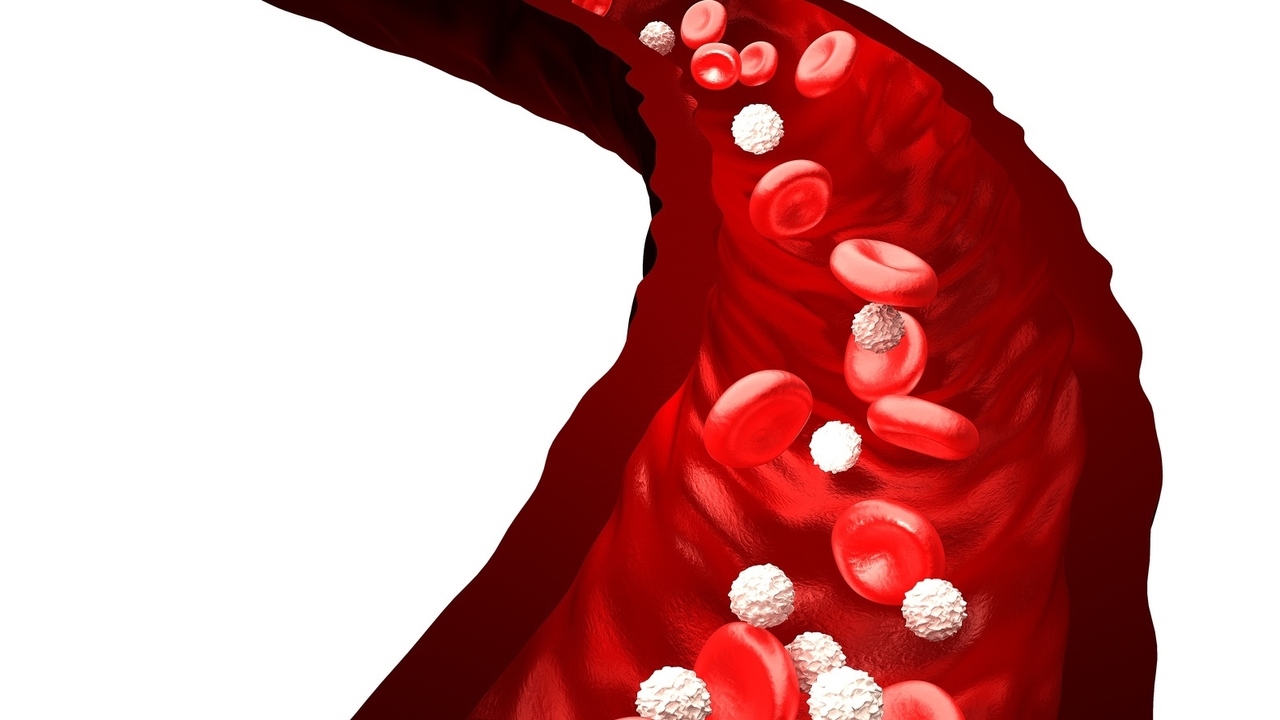
When a blood vessel wall becomes damaged, the body quickly works to repair the area or plug up a tear by accumulating platelets in the area. Over time, the clot can grow bigger and interrupt the flow of blood. It can possibly dislodge and travel to a new location causing more damage.
In general, people are at more risk for a blood clot if they have a history of high blood pressure, diabetes or high cholesterol. They have higher risk if they smoke, take certain birth control pills, or have a family history of it.
Risk is greater for those who have a blood clotting disorder, or who experience trauma to an area (such as Hilary Clinton). If they are pregnant, or are immobile for long periods of time people are at higher risk as well.
Really, anything that would cause vessel damage, vessel narrowing, or slows down blood flow can be an issue.
As blood clots can occur anywhere, the common symptoms can be difficult to pinpoint. However it typically involves pain at the site of the clot, warmth, redness and possibly swelling. Clots in the brain may also cause pain.
Typical stroke symptoms also include loss of function, drooping face, loss of words, and change in balance, unconsciousness or death. Clots in the lung can cause shortness of breath and even death if the clot is big enough.
Diagnosis often involves an immediate visit to your health care provider or nearest emergency room (depending on the severity of your symptoms).
It can include an ultrasound to look for a clot in the legs or CT scan for the lungs and brain.
Additional lab work may be done as well, especially when the heart is involved.
Treatment depends on the location, on whether it is superficially located or deep within, and on whether or not there are serious consequences.
Some can be watched and treated with over-the-counter pain relievers as they do not create a threat to the body, while others need radical treatment with blood thinners and even surgery.
Blood clots should not be taken lightly. If you suspect a blood clot after looking at risk factors and symptoms, talk with your health care provider right away. This could be an emergency situation.
References:
1. Blood Clots. Web. 2 January, 2013.
http://www.medicinenet.com/blood_clots/article.htm
2. Arterial Thrombus Formation in Cardiovascular Disease. Web. 2 January, 2013.
http://www.medscape.com/viewarticle/748080
Reviewed January 2, 2013
by Michele Blacksberg RN
Edited by Jody Smith
Add a CommentComments
There are no comments yet. Be the first one and get the conversation started!