



Improved
6112 HealthChanged
3786 LivesSaved
3568 Lives0 lives impacted in the last 24 hrs Learn More
Burns can occur unexpectedly. Steam shooting out from a tea kettle, oil splattering from a pan or a singeing from a hot iron all require quick action to prevent further damage to our skin. Chemical and electrical burns can be the most serious. There are some basic steps to take for any kind of burn but there are others to take depending on the size and type of burn.
Immediate action to take:
1. Immediately run cool (not cold) water over a minor burn for 10 to 15 minutes. Using ice on a burn is not recommended as it could cause more damage.
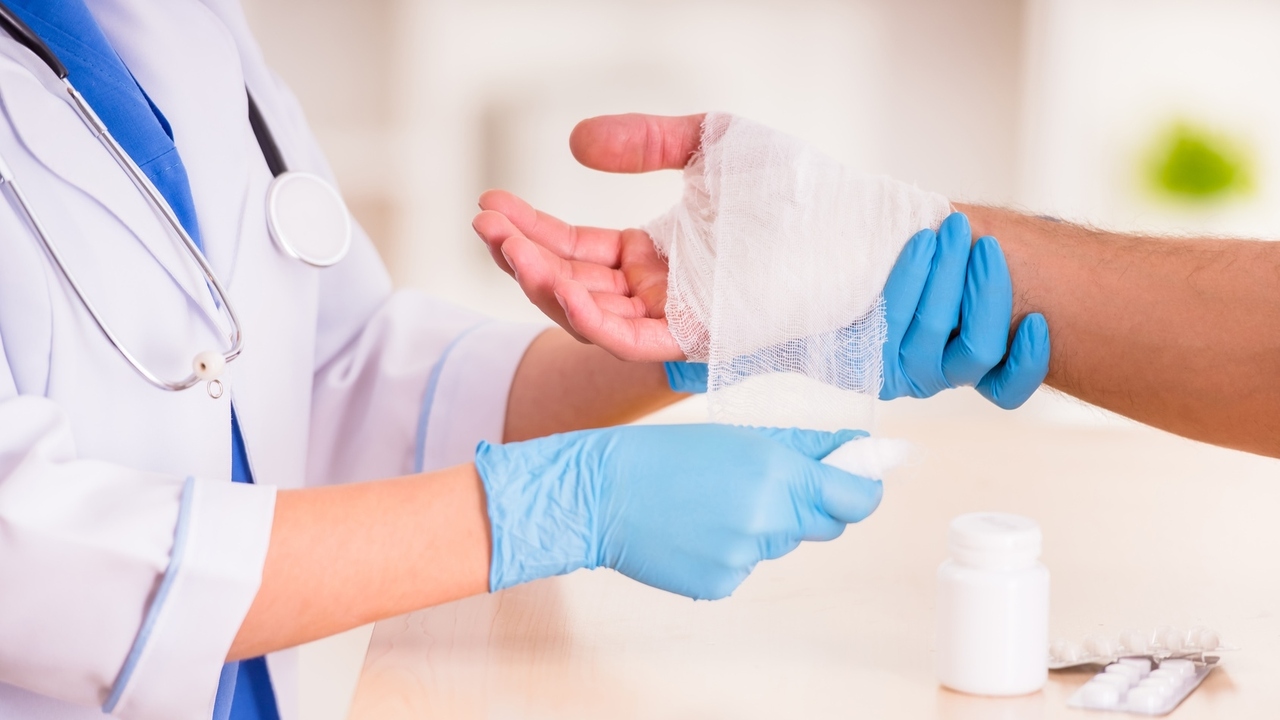
2. Never put butter or other oil on a burn. After cooling and gently washing a burned area, you may apply a soothing lotion then cover loosely with a gauze dressing. Change the dressing daily.
3. Blisters with fluid in them may form but do not break them, they are protecting the skin underneath. If they do break on their own, wash with soap and water and dry them. Use a topical antibiotic ointment, cover with a gauze dressing to keep the area clean and change the dressing daily.
How burns are classified:
1st degree: The surface of the skin (epidermis) is damaged but still unbroken so there is protection from infection. Sunburns are often first degree burns and can be treated with cool compresses and topical moisturizing cream. Some people swear by Aloe Vera and other alternative treatments. First degree burns take about three to six days to heal.
2nd degree: Damage has occurred through the first layer (epidermis) to the second layer (dermis) so are called partial thickness burns. Blisters are a sign of second degree burns and they may fill with fluid. Blisters may erupt, grow into each other and if nerves are exposed they can be very painful. Less severe 2nd degree burns will heal in one to three weeks; more severe burns can take more that three weeks to heal.
Risk of infection becomes greater without the protection of the outer skin but a small second degree burn (size of a quarter) can be taken care of with just close monitoring. It is important to keep the burn clean, use a topical antibiotic cream and keep covered with a gauze dressing changed daily. Second degree burns in a larger area or on one’s face or groin should be seen by a doctor as should all second degree burns in children.
3rd degree: This is the most severe type of burn as both the epidermis and dermis are destroyed. They are called total thickness burns. Sometimes these burns appear blackened and blood vessels usually have been damaged. Nerves are also destroyed so loss of feeling may occur and the person is more susceptible to infection and fluid loss. Third degree burns over a large part of the body can affect one's ability to retain heat. These are serious burns and must be seen immediately by an emergency medical facility. Ultimately, 3rd degree burns may need skin grafting to heal.
Chemical and electrical burns should be evaluated by a doctor or emergency room. Chemical burns to the eye are especially dangerous and need to be immediately flushed with water for at least 20 minutes. Burns to the eye are considered a priority in an emergency room and will be evaluated right away.
Electrical burns may appear less serious on the outside of the skin but there may be damage deeper down. If the person felt electric current enter into their body, they should also head to the emergency room to make sure they do not develop an irregular heart beat.
Burns can be minor or more serious. If there is any doubt about how to take care of a burned area, concern about how large the area is or question about how severe a burn is make sure medical attention is seen early to allow for prompt healing.
Resources:
http://drbenkim.com/how-to-treat-burns.html
http://firstaid.about.com/od/softtissueinjuries/a/07_burn_degrees.htm
www.empowher.com/condition/burns
Michele is an R.N. freelance writer with a special interest in woman’s healthcare and quality of care issues. Other articles by Michele can be read at www.helium.com/users/487540/show_articles
Add a CommentComments
There are no comments yet. Be the first one and get the conversation started!