





Improved
6113 HealthChanged
3786 LivesSaved
3568 Lives0 lives impacted in the last 24 hrs Learn More
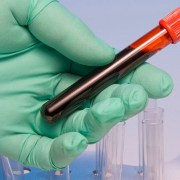 Photo: Getty Images
Basically, LH stands for luteinizing hormone and it is produced by the pituitary gland. In women, the LH is responsible for releasing an egg into the fallopian tube. In men, the LH is responsible for the production of testosterone.
Your doctor might order blood tests to measure luteinizing hormone levels in several circumstances:
• Infertility issues or difficulty conceiving a child
• Irregular menstrual period particularly in teen girls
• To evaluate pituitary function, diagnose pituitary disorders or diseases involving the ovaries or testes
• To determine or confirm the onset of menopause
• Precocious or late onset of puberty
Blood tests for LH levels in women usually also include FSH (follicle stimulating hormone).
How LH Works
Your menstrual cycle consists of three phases. Phase one, the follicular phase, begins on the first full day of menstrual bleeding. Phase two, is the ovulatory phase and immediately follows the end of a woman’s period. Phase three is called the luteal phase and follows ovulation.
In preparation for phase two, the pituitary gland releases LH and FSH. The follicle stimulating hormone is responsible for the growth and ripening of an egg inside a follicle (one of many tiny sacs that carry a developing egg).
Luteinizing hormone stimulates the follicle to generate and secrete estrogen. Increased levels in estrogen (among other things) cause the lining of uterus to fill with nutrients and blood, preparing to receive the mature egg.
When the amount estrogen reaches the appropriate amount, a surge of LH is released from the pituitary gland and within 24 to 36 hours the follicle will burst and release a ripened egg into the Fallopian tube.
The day prior to ovulation and the day of ovulation are the two days a woman is most likely to conceive.
Preparing for the Test
To make sure that your doctor receives the most accurate test results possible, you may be instructed to discontinue using certain medications including birth control pills, which contain estrogen or progesterone or both, for up to four weeks before having a LH screening.
It is important that your doctor have a complete list of medications and/or supplements you are taking, including over-the-counter medications, and herbal and natural products.
Tell your doctor if you have had a test that used a radioactive substance (eg: thyroid or bone scan) within the last seven days, since the radioactive tracer used in such tests can interfere with LH results.
Make sure your doctor knows about your “normal” menstrual bleeding phase. The first day of phase one of your menstrual cycle is the first day of the heaviest bleeding.
“Talk to your doctor about any concerns you have regarding the need for the test, its risks, how it will be done, or what the results will mean.” (WebMD.com)
Sources:
What Exactly is LH? Firstresponse.com. Web. Accessed: Oct 20, 2011 http://www.firstresponse.com/LH-surge.asp
LH. LabTests Online. Web. Accessed: Oct 20, 2011 http://labtestsonline.org/understanding/analytes/lh/tab/glance
Luteinizing Hormone. WebMD.com. Web. Accessed: Oct 20, 2011. http://women.webmd.com/luteinizing-hormone
Reviewed October 21, 2011
by Michele Blacksberg RN
Edited by Jody Smith
Add a CommentComments
There are no comments yet. Be the first one and get the conversation started!