





Improved
6139 HealthChanged
3797 LivesSaved
3584 Lives0 lives impacted in the last 24 hrs Learn More
Dr. Christensen introduces herself and explains what bio identical hormones are.
Dr. Christensen:
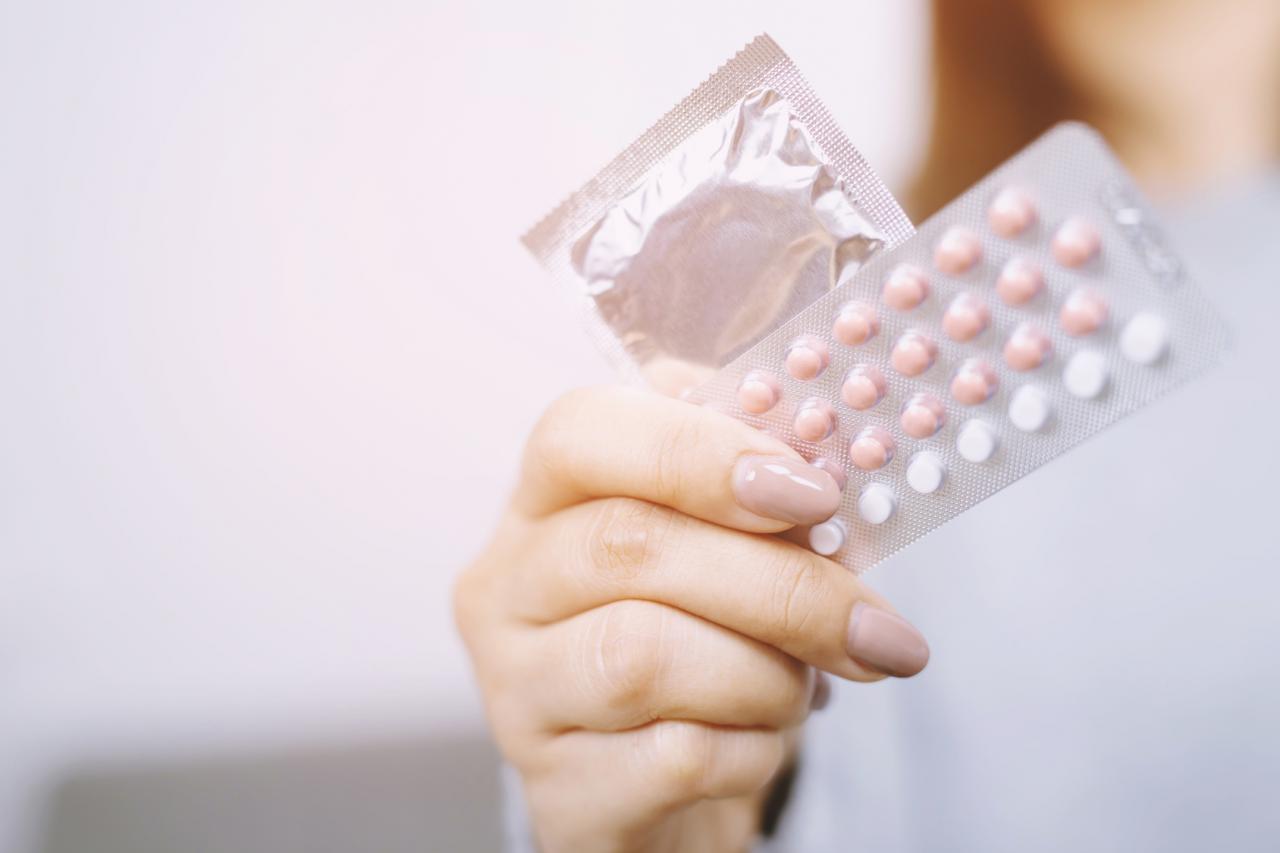
Hi! I am Margaret Christensen. I am a Board Certified Obstetrician Gynaecologist. However, I do not practice Obstetrics anymore, and I do not deliver babies anymore, and I do not do any hospital medicine anymore. Right now I dedicated my practice to integrated and holistic approaches to women’s health: h. How to create health rather than treat disease. Bioidentical hormones are hormones that look exactly like our own bodies would make. So unlike synthetic hormones which you would findght, for example, iand birth control pills or in fertility drugs or in traditional synthetic hormone replacement therapy, those are molecules where we have taken the identical human hormone and we have attached something to it in order to be able to patent it. The problem with doing that is it actually creates a disturbance in the metabolism and breaking down of the hormone in the body, and often times it is the breakdown products which can be more toxic. So, we were evolved over millions of years of times with our own hormones, and if you are going to take hormones, you would want to take something that is bioidentical like the body would make itself, and you would want to also give it in just small quantities in physiologic doses, t. The same amounts the body would make. T and that way our bodies have wisdom to know how to use it, how to break it down, and how to process it. So, you tend to have less side effects and less of some of the health risks that you could perhaps with the more synthetic hormones. Now the caveat there, however, is that you have to know what you are doing and how to use those. Because you can do just because it is bioidentical does not necessarily mean it is going to be good for you, especially if you are giving it in large quantities and if you are not treating the whole person and creating balance to the whole person because hormones are influenced by many, many different body systems, and you have to be able to support all of them in order to create a balance.
BIO:
Margaret Christensen, M.D., received her undergraduate degree from Rice University in Houston, graduating Cum Laude with a major in biology and a minor in psychology. She received her M.D. degree from Baylor College of Medicine, Houston, with Honors in 1987. She subsequently pursued a residency in Obstetrics and Gynecology at Baylor University Medical Center in Dallas, Texas, and is a board certified Fellow of the American College of Obstetrics and Gynecology. Following completion of her residency program, Margaret became the founding partner of Renaissance Women's Health Associates, based at Baylor. This private Ob-Gyn practice was the first in Dallas to incorporate holistic models of healing in women's healthcare and was the only practice in Dallas that had Certified Nurse Midwives with privileges at a private hospital. Dr. Christensen has been a pioneer in bringing women centered, family centered care to the office and hospital setting. In her new practice, Christensen Center for Whole Life Health, Dr. Christensen continues to explore her interests in complementary medicine practices, spirituality and medicine, medical anthropology, cross cultural healing, nutrition, herbal medicine, and women's psychology integrated with findings from the latest evidenced based, western medical research.
View Dr. Christensen's Videos:
https://www.empowher.com/menopause
Visit Dr. Christensen on her website:
http://www.christensencenter.com