




Improved
6112 HealthChanged
3786 LivesSaved
3568 Lives0 lives impacted in the last 24 hrs Learn More
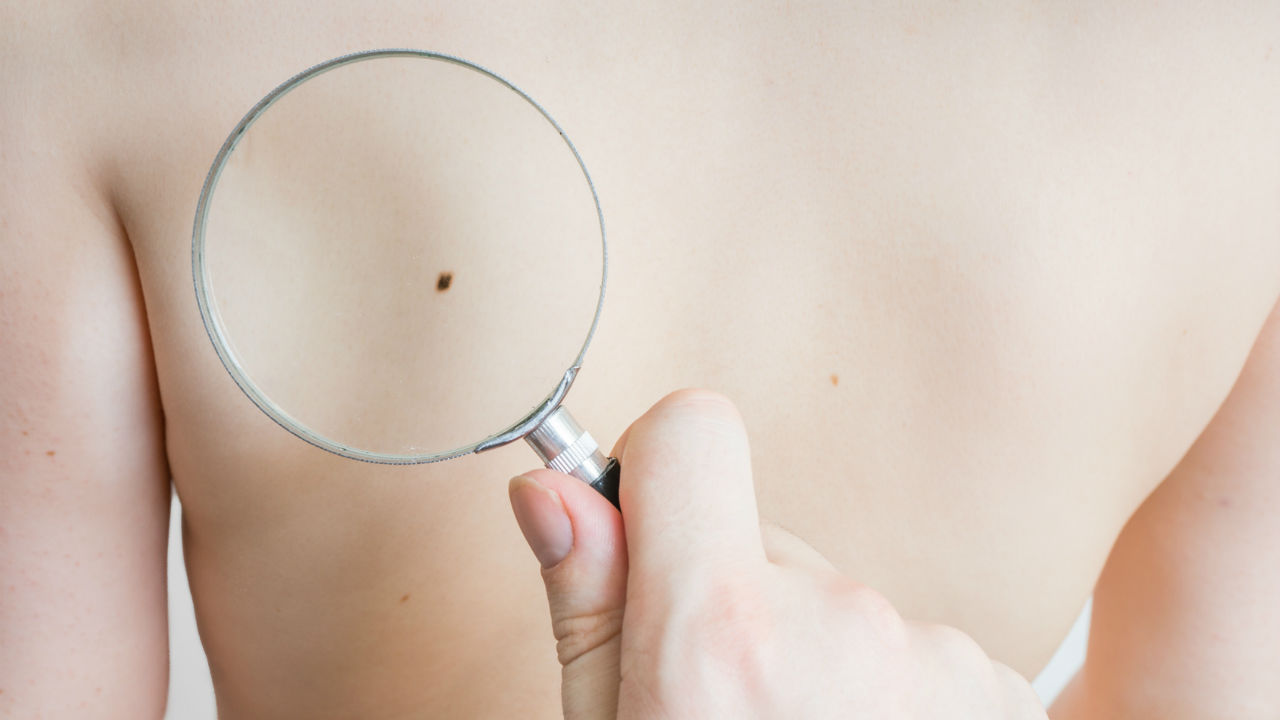
Little freckles, dark spots, raised bumps which have a different color than the rest of your skin ... all of these can be considered moles. We have them, our children have them and there aren't many people who haven't at least seen them.
But what are moles and how do they affect our health? Or do they?
Basically, moles are skin cells which are bunched up, sort of forming a cluster of skin cells, as opposed to the skin cells covering the rest of our bodies which are spread out and thus create the singular tone of our skin.
The concentration of the cells in a mole contribute to the difference in color and of course, in the way they seem to be either raised or jutting up from the skin. They tend to be brown or black in color.
The mole is known in medical literature as melanocytic naevus. The "bunching up" of cells are the pigment cells in the skin, and these cells are called melanocytes.
Moles are extremely common. Many people are born with a few moles and develop others during their lives.
While it's important to look for signs of asymmetry in your moles or to carefully monitor moles which appear after the age of 20, most moles are actually benign.
Some warning signs that a mole may not be benign are changes in color or shape, itchiness or bleeding. It is crucial to be on the lookout for raggedy, blurred or frayed looking edges.
There are different types of moles. Congenital moles are present at birth and in fact have been confused with "birth marks."
Every one person out of one hundred, give or take, is born with congenital moles. The Cleveland clinic warns to watch if a congenital mole grows larger than 8 inches in diameter because they have a higher possibility of becoming cancerous later in life.
Another type of atypical mole are called dysplastic nevi because they appear different than the classic raised mole. These are moles that are irregularly shaped and larger than a pencil eraser.
They can be uneven in texture and color and can be inherited. Changes in coloration or shape of these moles must be monitored very closely as they can become malignant melanoma.
The first doctor to consult with when it comes to moles is a dermatologist. If there is any concern about a mole, a dermatologist may do a biopsy of the mole, taking a small portion of it to determine whether or not it is malignant. If a mole is determined to be malignant, the mole can be removed completely.
Taking time to protect your skin from the harmful UV rays of the sun by always using an appropriately strong sunscreen, wearing large-brimmed hats, and wearing protective clothing if out for extended periods of time, can really impact the health of your skin. Moles which become malignant need to be treated and taking precautions to help stave this off is something within everyone’s control.
While avoiding cancerous moles is not completely within our power, we can at least take the necessary steps to protect ourselves as much as we can. We can do this for our children as well as for ourselves.
Sources:
Cleveland Clinic
Retrieved from the internet on September 29, 2011
http://my.clevelandclinic.org/healthy_living/skin_care/hic_moles_freckles_skin_tags_benign_lentigines_and_seborrheic_keratoses.aspx
NetDoctor
Retrieved from the internet on September 29, 2011
http://www.netdoctor.co.uk/diseases/facts/moles.htm
Reviewed October 3, 2011
by Michele Blacksberg RN
Edited by Jody Smith
Add a CommentComments
There are no comments yet. Be the first one and get the conversation started!