


Improved
6139 HealthChanged
3797 LivesSaved
3584 Lives0 lives impacted in the last 24 hrs Learn More
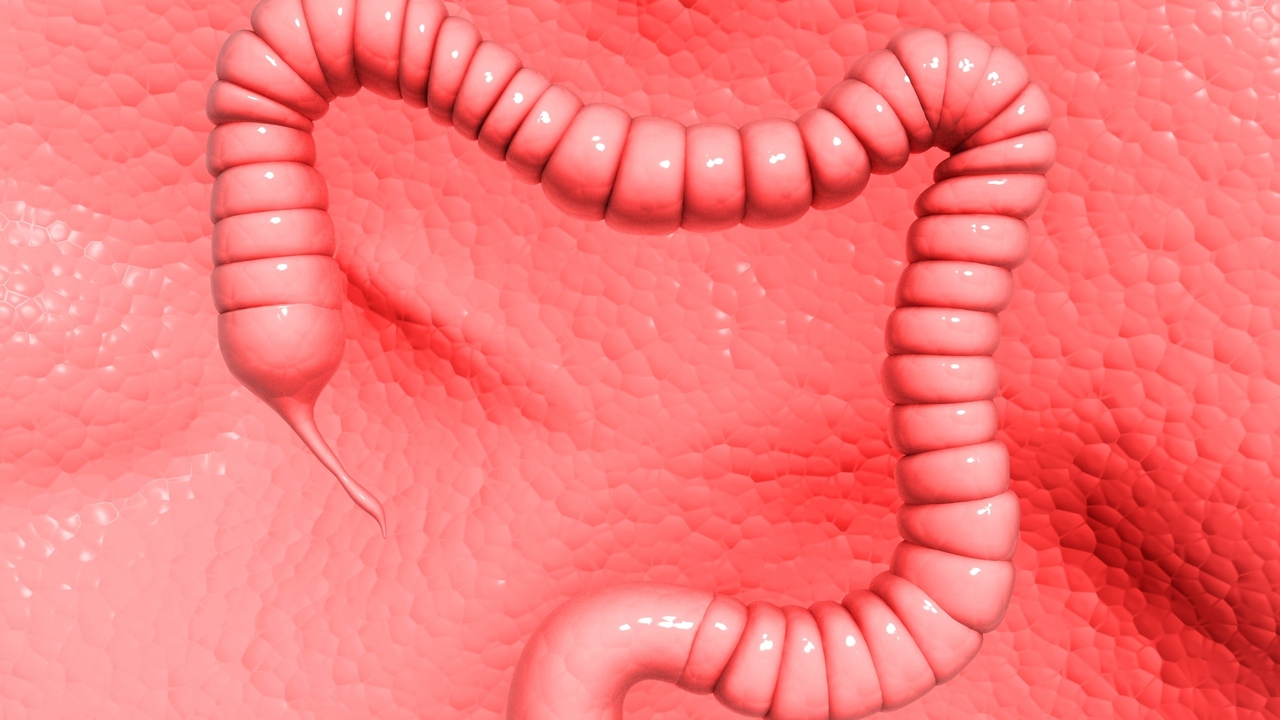
During every stage of development, there are different blood work and procedures that are used to evaluate the state of your health. As we approach our 50s it's recommended that we get a colonoscopy every 5 years to check our large intestine or colon.
The procedure is very simple -- the doctor puts a small viewing tube into the rectum and looks at the inside of your colon to see if there are any abnormalities in the lining of your large intestine.
Colonoscopy is a more extensive test than a flexible sigmoidoscopy because the doctors are able to see a larger section of colon. During the colonoscopy procedure the doctor can also take samples of tissue that looks abnormal and remove small growths or polyps in the colon. Once the tissue has been removed, it can be examined to decide whether it is benign -- will not cause harm -- or is cancerous.
Most polyps are benign and are no cause for worry. However, it's important to have them all checked to be sure. The testing starts at 50 because most colon cancers occur in people that are over the age of 50, however high-risk groups such as people with a family history or people of African- American descent may strongly consider be tested earlier.
It's good to have the regularly scheduled procedure to make sure any polyp is being tested and removed during each procedure to prevent any benign growths from turning into a cancerous growth.
The reason it is good to get your testing on schedule is because most colon polyps do not have associated symptoms and will only be found and removed during a procedure. If the polyp is exceptionally large it could cause symptoms like a change in bowel habits but it is better to have check ups to prevent them from getting that large.
A good health measure for your colon is to eat a healthy whole foods diet that includes 8-10 serving of fruits and vegetables daily. The phytonutrients and the fiber in the fruits and vegetables help to keep the colon healthy and free of toxins that could cause the abnormal growths in the first place. Eating healthy is never a substitute for annual doctors visits and appropriately timed procedures but does help keep your colon supported in the direction of health!
Live Vibrantly,
Dr. Dae
Dr. Dae's website: www.healthydaes.org
Dr. Dae's book: Daelicious! Recipes for Vibrant Living can be purchased @ www.amazon.com or www.healthydaes.org
Dr. Dae's Bio:
Daemon "Dr. Dae" (pronounced Dr. Day) Jones is a Naturopathic Physician who completed her training at the University of Bridgeport College of Naturopathic Medicine. She is certified as a General Practitioner by the North American Board of Naturopathic Examiners (NABNE). Dr. Dae provides tailored treatment to meet the unique needs of every individual she sees in her practice. She also provides specialized support for persons challenged by nutritional deficiencies, weight problems, hormonal and reproductive system disorders, attention deficit disorder and those experiencing chronic diseases. Dr. Dae is an adjunct faculty member for Smith Farm Center for Healing and the Arts. She is the author of Daelicious! Recipes for Vibrant Living, The Healthydaes Newsletter, and is a regularly featured writer for the Elite GoogleNews Website empowher.com where she shares her personal and professional vision for living whole and living well. To learn more about Dr. Dae, her products and services, please visit her on the Web at www.Healthydaes.org
Add a CommentComments
There are no comments yet. Be the first one and get the conversation started!