



Improved
6139 HealthChanged
3797 LivesSaved
3584 Lives0 lives impacted in the last 24 hrs Learn More
According to the National Institutes of Health (NIH) cirrhosis of the liver is the 12 leading cause of death in the United States. I have to admit when I read that statistic I was surprised that it was so high on the list of causes of death. I thought dedicating today’s blog to cirrhosis would be a good educational topic.
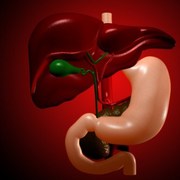
I think that the liver is one of the most fascinating organs in the body. It handles so many functions and is supportive to many of our organ systems. Some primary functions are related to digestion and release of nutrients in the body, storing extra glucose and other nutrients and releasing them into the bloodstream when appropriate, handling of toxins and rendering them harmless to the body, collection and disposal of certain hormones, production and elimination of cholesterol and blood cells just to name a few. The liver has an added ability to regenerate itself when it gets damaged more readily than other organs.
You can see that with so many responsibilities we want to keep the liver healthy. How does something like cirrhosis happen? Cirrhosis of the liver is defined as a slowly progressing disease which scar tissue replaces healthy tissues. As the scar tissue becomes more abundant in the liver it interrupts normal function and the normal blood flow through the liver and the functions of the liver can no longer appropriately take place. There are 3 main causes for cirrhosis alcohol abuse, fatty liver and hepatitis C. Since cirrhosis is a slow progressing disease symptoms may vary in severity depending on how much the liver has been affected. Symptoms may include fatigue sometimes to the point of exhaustion, loss of appetite, yellowing of the skin or the eyeballs, weight loss or weight gain, itchy skin, swelling in the legs or ankles, light colored stool and mental changes or disorientation. Cirrhosis can be diagnosed by physical exam, blood tests or diagnostic imaging like CT scan, ultrasound liver scan. The sooner a problem is diagnosed the sooner treatment can begin. Food always creates the foundation for any good treatment plan. Naturopathic treatments will always include liver enhancing food lifestyles like the one in found in my book Daelicious! Recipes for Vibrant Living. There are several herbs that support liver health as well but if you have cirrhosis you should not take herbal treatments unless you are under the care of a licensed naturopathic physician.
Live Vibrantly,
Dr. Dae
Dr. Dae's website: www.healthydaes.org
Dr. Dae's book: Daelicious! Recipes for Vibrant Living can be purchased @ www.amazon.com or www.healthydaes.org
Dr. Dae's Bio:
Daemon "Dr. Dae" (pronounced Dr. Day) Jones is a Naturopathic Physician who completed her training at the Universi ty of Bridgeport College of Naturopathic Medicine. She is certified as a General Practitioner by the North American Board of Naturopathic Examiners (NABNE). Dr. Dae provides tailored treatment to meet the unique needs of every individual she sees in her practice. She also provides specialized support for persons challenged by nutritional deficiencies, weight problems, hormonal and reproductive system disorders, attention deficit disorder and those experiencing chronic diseases. Dr. Dae is an adjunct faculty member for Smith Farm Center for Healing and the Arts. She is the author of Daelicious! Recipes for Vibrant Living, The Healthydaes Newsletter, and is a regularly featured writer for the Elite GoogleNews Website empowher.com where she shares her personal and professional vision for living whole and living well. To learn more about Dr. Dae, her products and services, please visit her on the Web at www.Healthydaes.org
Add a CommentComments
There are no comments yet. Be the first one and get the conversation started!