

Improved
6113 HealthChanged
3786 LivesSaved
3568 Lives0 lives impacted in the last 24 hrs Learn More
Congenital scoliosis is often associated with other birth defects. Neuromuscular scoliosis often is accompanied by other disorders such as muscular dystrophy or cerebral palsy.
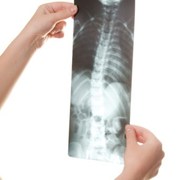
Every spine is supposed to have some curves. Nobody's spine is straight up and down. But with scoliosis, the spine curves in a shape reminiscent of an "S" or a "C".
Scoliosis may not be visible to the casual observer depending on its severity, and subtle curves may not have much effect on day to day life. One indication of possible scoliosis is a shoulder that is higher than the other, or a tilt to the pelvis.
Someone with scoliosis may experience back pain, or fatigue. Sitting or standing for any length of time can cause fatigue and pain.
Mild cases of scoliosis may only cause some low back pain. Someone with a mild curve may only need to be monitored through regular checkups.
https://www.empowher.com/scoliosis/content/scoliosis-curve-spine-gone-wrong
Add a CommentComments
There are no comments yet. Be the first one and get the conversation started!