


Improved
6112 HealthChanged
3786 LivesSaved
3568 Lives0 lives impacted in the last 24 hrs Learn More
 Photo: Getty Images
African Americans are often looked upon as being lucky when it comes to skin care. Generally speaking, their skin does not burn as easy as lighter-pigmented Caucasian skin.
They have much lower levels of skin cancer than their Caucasian counterparts. And the saying "black doesn't crack" can be attributed to the smooth, youthful skin many African Americans are known for.
However, one of the skin care issues African Americans deal with more than other ethnicities is hyperpigmentation of the skin.
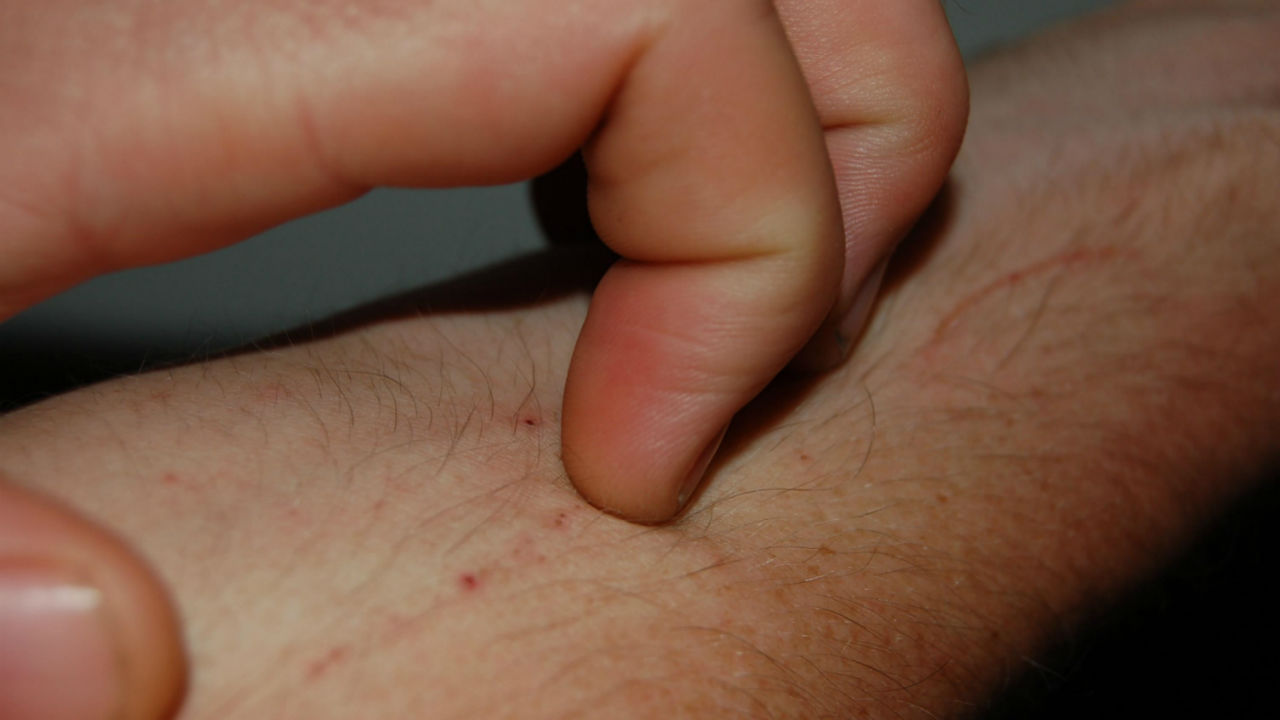
Hyperpigmentation is evidenced by dark or red spots that are left behind when an acne lesion has healed. This condition is often blamed on acne treatments themselves but is actually caused by the inflammatory nature of the acne.
Though many people call these spots "scars", they are actually not permanent and so are not scars. However, they may take months (or even years) to fade. For many African Americans, the hyperpigmentaion, or leftover spots, are of more concern than the acne alone.
There are several things African Americans (or anyone) can do to prevent hyperpigmentaion:
1. Don't pick! One should refrain from picking at acne lesions as that can be very damaging to the sensitive skin and will create larger, more obvious lesions.
2. Wear sunscreen. Having skin that is protected from the sun will help old lesions fade faster.
3. Treat the acne itself. By treating current acne breakouts, one is also preventing future acne lesions and the hyperpigmentation they can leave behind.
To treat hyperpigmentaion there are many options a dermatologist may recommend. It is helpful to remember that typically these spots will fade on their own without treatment, though it may take 6 to 12 months (or possibly longer).
Wearing sunscreen will help to make sure the spots that are already there will not darken anymore. For those who want to be proactive and get the dark or red spots healed sooner, there are several medical interventions that are available.
Topical treatments like hydroquinone, tretinoin cream, corticosteroid creams, and azelaic acid are available to lighten or bleach the hyperpigmented lesions. Chemical peels, intense pulsed light therapy (IPL) and laser treatments can also be helpful to some but may aggravate pigmentation in others. Usually a combination of treatments is required for significant, timely improvement.
Though hyperpigmented skin can be quite bothersome, it is a condition that can be treated and doesn't have to last a lifetime. With some time and perhaps some dermatological intervention these spots can fade to reveal the lovely skin underneath.
Sources:
Acne.org. Web. 9 February 2012. "Spots from acne."
http://www.acne.org/spots-from-acne.html
Dermnetnz.org. Web. 9 February 2012. "Postinflamatory pigmentation."
http://dermnetnz.org/colour/postinflammatory-pigmentation.html
Reviewed February 10, 2012
by Michele Blacksberg RN
Edited by Jody Smith
Add a Comment1 Comments
Hyperpigmentation among African-Americans can be caused by various factors, such as, long exposure to the UV rays of the sun, cuts and burns, medications that might be reactive, hormonal changes due to pregnancy or menopause, diet habits or this can be hereditary too. There are many options available for treating this condition, ranging from oral supplements, laser skin resurfacing, natural gels and creams to chemical peels. One of the most recommended option is skin lightening products as they contain healthy and natural ingredients like, Vitamin B3, B5 and C, cucumber, lemon extracts, Kojic acid, Bearberry, Arbutin, sugar maple and bilberry.
EXTRASHADE, LLC. produces daily defense maximum broad spectrum sun protection for optimal skin health and total wellness. http://extrashade.com/
December 18, 2012 - 3:42amThis Comment