



Improved
6113 HealthChanged
3786 LivesSaved
3568 Lives0 lives impacted in the last 24 hrs Learn More
The term sun poisoning can be misleading. While sun poisoning typically results from over exposure to the sun, there is no actual poisoning. Sun poisoning is a condition resulting from severe sunburn. Over exposure to UV radiation (a high energy, short wavelength light source) is responsible for causing skin damage and can lead to sun poisoning. Exposure to the sun for more than 15 minutes can cause sunburn and skin damage if the skin is not properly protected. Continued exposure can cause severe problems and lead to the development of sun poisoning. For this reason, proper skin protection is very important.
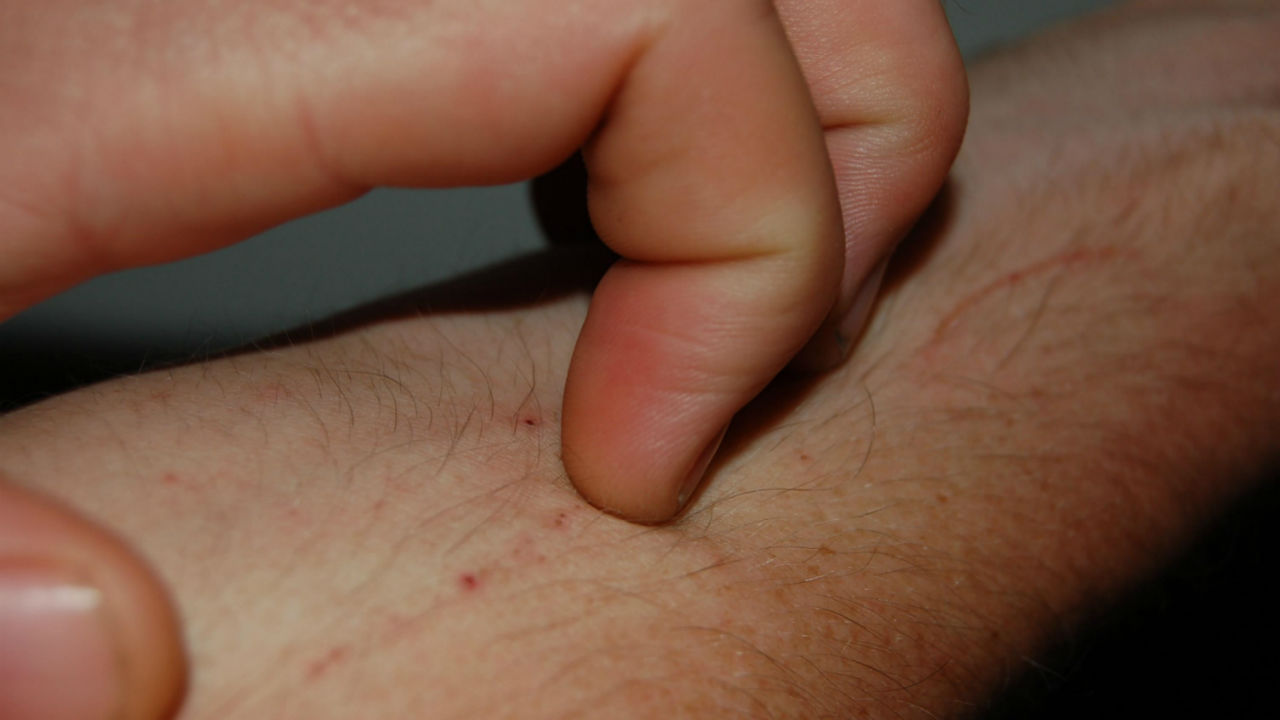
Sun poisoning can also refer to two other conditions: polymorphous light eruption and solar urticaria. Polymorphous light eruption affects individuals who are exposed to more intense sunlight than used to. The disorder affects approximately one in ten Americans, with women being more affected than men. Individuals who can experience polymorphous light eruption must be predisposed to the condition. The required sunlight depends on the individual, and the severity of the condition may lessen without treatment. Individuals suffering from polymorphous light eruption experience severe skin rashes 30 minutes to an hour after sunlight exposure. These rashes can appear as dense clumps of bumps, small bumps appearing over the skin, or hives. A specific form of polymorphous light eruption can be found in certain Native American groups. This condition becomes apparent during the spring and can last until the small. Afflicted individuals experience redness, irritation, and burning, which can last between a few days and several weeks. Some conditions may worsen, with patients experiencing chills, nausea, headaches, and fatigue.
Another form of sun poisoning, solar urticaria, results from sun exposure and may become apparent within several minutes of exposure. Individuals afflicted with this condition may experience difficulty breathing, dizziness, loss of consciousness, blistering, irritation, and redness.
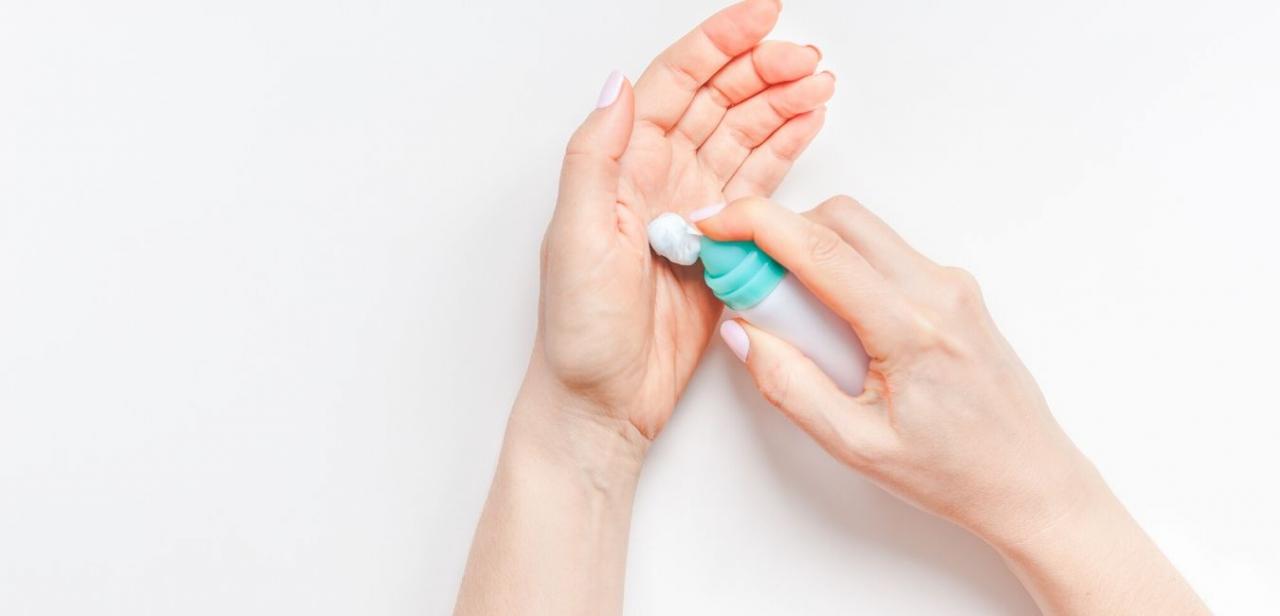
Following sun poisoning, it is important to get out of the sun to prevent further irritation. Try to take a cool shower or bath, or apply a cool compress to reduce swelling and irritation. Ibuprofen or acetaminophen can be used to relieve pain, as can moisturizers and aloe gel. Proper hydration is important to prevent aggravated symptoms. Seek medical help for severe or prolonged symptoms. Sun poisoning can be prevented depending on the individual’s medical history. Topical corticosteroids, phototherapy, low-does antimalarials, or simple sunscreen are all methods of treatment for sun poisoning.
If you or someone you know suffers from sun poisoning, make sure to contact a dermatologist.
References:
1) http://www.webmd.com/skin-problems-and-treatments/
2) http://www.medicinenet.com/sunburn_and_sun_poisoning/article.htm
Chris Gromisch is a Junior Chemistry major at Trinity college.
Add a CommentComments
There are no comments yet. Be the first one and get the conversation started!