




Improved
6113 HealthChanged
3786 LivesSaved
3568 Lives0 lives impacted in the last 24 hrs Learn More
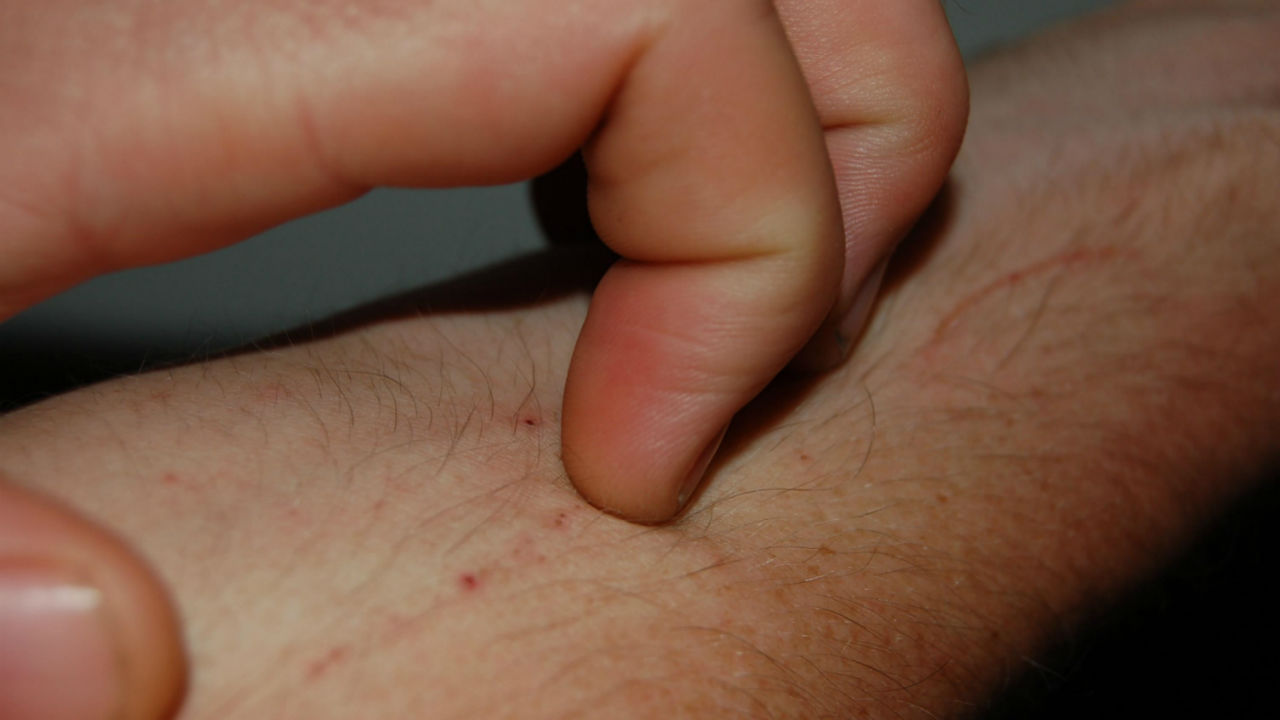
The New York Times' magazine section had a “mystery illness” article about a man who came to the ER because of problems with low blood pressure and diarrhea. As the doctor examined him, she was struck by the rough red skin on his knuckles extending to his fingertips that appeared on both hands. He had a similar rash on his back and neck.
Low blood pressure and diarrhea are commonly-related symptoms but it was the strange thickened coarse rash that enabled the doctors to figure out his problem—a longstanding vitamin B6 deficiency. Apparently, the man was on a blood pressure medication called Hydralazine for hypertension which has a side effect of causing vitamin B6 (pyridoxine) deficiencies. His condition was so severe that he developed a pellagra-like rash which is caused by deficiencies of another B vitamin called niacin.
Mild vitamin B6 deficiencies are not uncommon according to mayoclinc.com. Skin symptoms may include: irritated skin, cracks at corners of the mouth and a sore tongue. Other symptoms are: depression, anemia, muscle weakness and seizures.
Many food sources contain high levels of vitamin B6 so most people meet their daily needs through their diet. Foods that have vitamin B6 are: cereals, beans, meat, dairy products and certain vegetables such as spinach, carrots and peas. Since vitamin B6 is a water soluble nutrient, it isn’t stored in the body and needs to be replaced each day either by food or with supplemental vitamins.
Who is at risk?
Surprisingly, women on birth control pills are at risk of having low vitamin B6 levels so it is important for them to take a multi-vitamin or B-complex if their diet is lacking. Some studies have shown vitamin B6 may even help with PMS symptoms.
Other medications that may reduce vitamin B6 levels are: drugs to treat tuberculosis (Isoniazid, Cycloserine), rheumatoid arthritis (Penicillamine), asthma (Theophilline), anti-depressants, certain chemotherapy drugs, Parkinson drugs (Levodopa), and the anti-seizure drug (Dilantin).
Alcoholics and the elderly can become vitamin B6 deficient due to poor diets and will likely need some type of supplementation. Women who are pregnant and breast feeding also need slightly higher daily doses of vitamin B6.
Treatment:
Normal levels of vitamin B6 and daily needs vary by age. It is best not to try to supplement a vitamin level without first having baseline lab work to determine if you have a deficiency. Talk to your doctor or a nutritionist about what daily vitamins are appropriate for you before starting a regime so you don’t cause the opposite problem of having excess levels of these needed vitamins.
source:
www.nytimes.com/2010/06/06/magazine/06FOB-diagnosis-t.html?scp=1&sq=vitamin%20B6&st=cse
www.umm.edu/altmed/articles/vitamin-b6-000337.htm
http://www.mayoclinic.com/health/vitamin-b6/ns_patient-b6
Michele is an R.N. freelance writer with a special interest in woman’s healthcare and quality of care issues. Other articles by Michele are at www.helium.com/users/487540/show_articles
Add a CommentComments
There are no comments yet. Be the first one and get the conversation started!