



Improved
6113 HealthChanged
3786 LivesSaved
3568 Lives0 lives impacted in the last 24 hrs Learn More
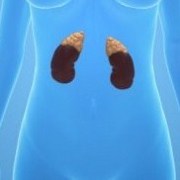
Thad returned from a Caribbean vacation in August, tan and tired. After a thorough exam, his doctor diagnosed him with autoimmune thyroid disease and prescribed thyroid hormone replacement pills. Four months later, he was still tan and tired. His doctor painstakingly explored what else could be causing the fatigue. Then he focused on the tan. It was winter, and Thad was not using tanning salons. The doctor ordered more blood tests, and diagnosed him with Addison's disease. His adrenal glands were not producing enough cortisol.
I read this story in Discovery magazine while I was on a Caribbean cruise myself. Addison's disease causes suntan? The article explained that when cortisol levels in the body drop, the brain sends a signal to the adrenal glands to produce more. This chemical signal also causes skin cells to produce more melanin pigment. The result is a remarkable all-over tan, including even the palms and armpits.
Autoimmune damage to two or more endocrine glands is called polyglandular autoimmune syndrome, PAS. There are two major subtypes. Similar to diabetes, type 1 affects mostly children and is less common than type 2, which usually begins in adulthood. There appears to be a long phase of cellular loss before the symptoms develop, and there may be many years between the development of autoimmune disease in the different glands. PAS 2 includes the following endocrine diseases:
1. Thyroid disease, 70 – 75 percent of cases
2. Type 1 diabetes (pancreas), 50 – 60 percent
3. Addison's disease (adrenal glands), 40 percent
4. Hypoparathyroidism, 3 percent
5. Hypopitutarism, 0 – 2 percent
In the less common PAS 1, children have a different incidence of endocrine diseases:
1. Hypoparathyroidism, 80 – 85 percent
2. Addison's disease, 60 – 70 percent
3. Type 1 diabetes, <20 percent
4. Hypogonadism, 12 percent
5. Thyroid disease, 10 percent
Children with PAS 1 commonly develop candidiasis, which is a type of yeast infection. When it affects the mouth, it is called thrush.
The treatment for PAS is replacement of the hormones that are not produced in sufficient quantities. This includes insulin for type 1 diabetes, cortisol for Addison's disease, and thyroid hormone for hypothyroidism. Reference 2 reports that the treatment for one endocrine disease may worsen another endocrine disease, so careful monitoring is important.
References:
1. H. Lee Kagan, “Vital Signs”, Discover 2010 October: 26-27.
2. Kahaly GJ, “Polyglandular autoimmune syndromes”, European Journal of Endrocrinology 2009; 161: 11-20.
Linda Fugate is a scientist and writer in Austin, Texas. She has a Ph.D. in Physics and an M.S. in Macromolecular Science and Engineering. Her background includes academic and industrial research in materials science. She currently writes song lyrics and health articles.
Add a CommentComments
There are no comments yet. Be the first one and get the conversation started!