



Improved
6112 HealthChanged
3786 LivesSaved
3568 Lives0 lives impacted in the last 24 hrs Learn More
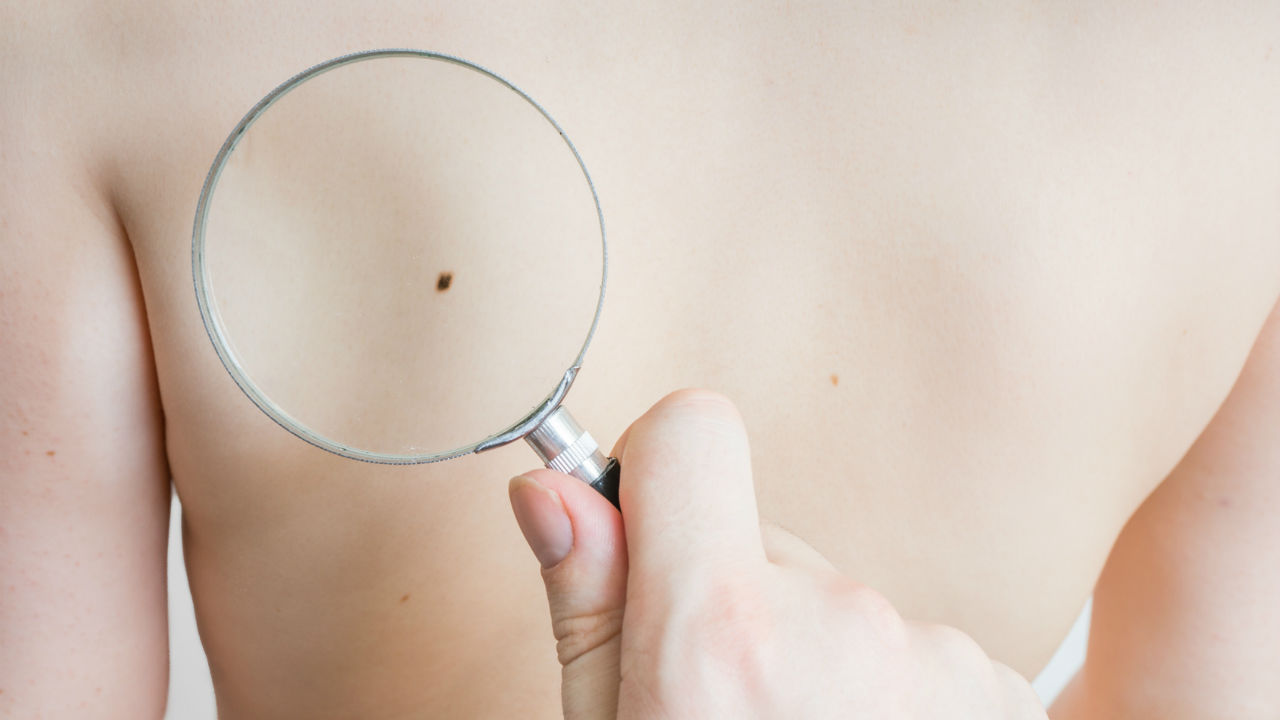
Basal cell cancer is the most common type of skin cancer and accounts for 90 percent of all the skin cancers diagnosed in the United States according to medicine.net. This form of skin cancer typically does not spread or metastasize but can invade the surround skin causing tissue damage. Basal cell cancer rarely causes disfigurement.
Symptoms and signs of basal cell skin cancer:
The Mayo Clinic describes basal cell cancers as appearing like a pearly or waxy bump or a flat, flesh-colored or brown scar-like lesion. Medicinenet adds that there may be small, superficial blood vessels called telangiectases covering the skin as well. Basal cell carcinomas typically grow slowly and can take months to years to become large enough to notice.
Diagnosis of basal cell skin cancer is made from a biopsy where the skin sample is examined under a microscope. Your doctor will decide if additional tests are needed.
Risk factors for basal cell cancer are having a fair complexion, being over the age of 50 and having received excess exposure to the sun or UV light from tanning beds. A weakened immune system and exposure to certain medications or substances such as arsenic can make one more susceptible to skin cancer.
Treatment:
Medicinenet reports that there is a 90 percent rate of successful treatment of basal cell skin cancer. There are various methods used to treat basal cell cancer depending on the extent of the skin invasion.
• Curettage and desiccation is a very common method used especially on small cancers in less noticeable areas of the body. Curettage is when the skin lesion is scooped out using a curette and desiccation uses electric current to control bleeding and kill any remaining cancer cells.
• Surgical excision is when the skin cancer requires deeper removal and stitches will need to be used afterwards to close the incision.
• Cryosurgery freezes the growth using liquid nitrogen to kill basal cancer cells.
• Mohs micrographic surgery is a specialized technique where using microscopic examination where only the basal cell carcinoma is removed leaving most of surrounding healthy tissue. Medicinenet reports a high cure rate of over 98 percent and is the preferred method to remove large basal cell carcinomas.
• Creams that attack cancer cells such as 5FU or those that boost the immune systems such as Imiquimod can help avoid surgery but the cure rate is usually lower with this treatment.
• Radiation therapy may be used in difficult to treat areas or if surgery isn’t an option.
Prevention:
It is important to wear sunscreen with an SPF above 30 year-round to protect your skin from excess UV exposure. Try and avoid the sun during the most intense time of the day between 10 a.m. and 4 p.m. Wearing sun-protective clothes is another alternative for added protection. Do not use tanning beds. Take care with medication that makes your skin more sensitive to the sun.
Remember, if you notice any suspicious spots on your skin, especially an area where the skin has changed in size, shape or color, be sure to have a dermatologist check and decide if you need further evaluation.
Sources:
Skin cancer by Mayo Clinic staff. Web. 31, Oct. 2011
http://www.mayoclinic.com/health/skin-cancer/DS00190/METHOD=print
Skin Cancer (Nonmelanoma Skin Cancer). Medicine.net. Web. 31, Oct. 2011
http://www.medicinenet.com/skin_cancer/article.htm
Michele is an R.N. freelance writer with a special interest in woman’s healthcare and quality of care issues. Other articles by Michele are at www.helium.com/users/487540/show_articles
Edited by Jody Smith
Add a CommentComments
There are no comments yet. Be the first one and get the conversation started!