





Improved
6141 HealthChanged
3797 LivesSaved
3584 Lives0 lives impacted in the last 24 hrs Learn More
 Jupiterimages/Comstock/Thinkstock
As medical researchers learn more about gut microbiomes -- the communities of bacteria in our digestive system -- it becomes clearer that we need to ingest certain types of bacteria to keep everything in working order.
That’s where fermented foods often come into play, because they are oozing with so-called “good” bacteria. The list of such foods is longer than you might realize, ranging from buttermilk to beer.
An article on the Diets in Review website explains that food preserved through fermentation tends to contain microorganisms that are good for the gut.
Fermentation breaks down carbohydrates into easily digestible forms and leads to the reproduction of even more good bacteria once they are in our digestive system.
Not only is fermentation considered an aid to the absorption of nutrients, it also assists bacteria in the intestines in producing nutrients, such as B vitamins, vitamins C and K, antioxidants and omega-3 fatty acids.
In the article, registered dietitian Mary Hartley recommended the following fermented foods for your shopping list:
- Brined vegetables such as sauerkraut, pickled cucumbers, beets, kimchi and olives; pickled meats, fish and eggs; yogurt, cheese, kefir, sour cream and buttermilk; and miso and tempeh.
- Kombucha tea is popular in the health food aisle these days. It’s a fermented beverage that often comes bottled in fruit flavors.
It doesn’t always get rave reviews from medical experts, though.
Dr. Brent A. Bauer, writing on the Mayo Clinic’s Q and A webpage, says kombucha tea has not yet lived up to its health claims of better digestion and liver function.
In fact, the beverage has been associated with stomach upset, allergic reactions and infections in some users.
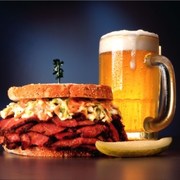
For more traditional tastes in beverages, though, it’s good to know beer and wine are included on the fermented foods list.
Just remember that there are several instances when you should consult a dietitian or medical practitioner before you embark on your own personal fermented foods festival.
You might have certain food intolerances or allergies that make fermented foods a problem.
Conditions such as heartburn, gastroesophageal reflux disease, gastroparesis (problems with emptying the stomach) and small intestinal bacterial overgrowth (SIBO) might not mix well with the ingestion of fermented foods.
Also, certain fermented foods might affect your digestive system with more gas or bloating. Many carbohydrates cause gas, says the Mayo Clinic. Its list of common culprits includes cabbage, baked beans, brussels sprouts and other vegetables.
Another condition for which you might want to watch your consumption of fermented foods is interstitial cystitis, or chronic inflammation of the bladder. Such foods can bring it back or aggravate it.
In addition, you want to check with your doctor as to whether fermented foods interfere with any of your medications. Anyone being careful about sodium intake also has reason to discuss fermented foods -- some of which are quite salty -- with a health practitioner.
As always, you should strive for a variety of foods in your daily life, with an emphasis on whole grains, lean protein and fruits and vegetables. If you eat fermented foods in moderation, you might just receive an added health benefit.
Sources:
Shultz, Dana, and Mary Hartley, RD. “Why Fermented Foods and Gut Bacteria Matter to Our Health.” Diets in Review.com. Web. 1 August 2012.
http://www.dietsinreview.com/diet_column/07/why-fermented-foods-and-gut-...
“Interstitial Cystitis Prevention.” EmpowHER.com. Web. 1 August 2012.
https://www.empowher.com/condition/interstitial-cystitis/prevention
Bauer, Brent A., M.D. “What is kombucha tea? Does it have any health benefits?” MayoClinic.com. Web. 1 August 2012.
http://www.mayoclinic.com/health/kombucha-tea/AN01658
“Oral Probiotics: An Introduction.” National Center for Complementary and Alternative Medicine. Web. 1 August 2012.
http://nccam.nih.gov/health/probiotics/introduction.htm
“Bloating, belching and intestinal gas: How to avoid them.” MayoClinic.com. Web. 1 August 2012.
http://www.mayoclinic.com/health/gas-and-gas-pains/DG00014
Reviewed August 1, 2012
by Michele Blacksberg RN
Edited by Jody Smith
Add a Comment3 Comments
Kyle Leon Customized Fat Loss Review
April 17, 2013 - 4:23amFor more traditional tastes in beverages, though, it’s good to know beer and wine are included on the fermented foods list.
This Comment
"That’s where fermented foods often come into play, because they are oozing with so-called “good” bacteria."
You mean fermented foods really works like probiotics?
August 9, 2012 - 1:05amThis Comment
Yes, the way I understand it, any food or supplement that helps to regulate good and bad bacteria in your digestive system is a probiotic. You might notice that foods like kombucha and kefir will tout their probiotic benefits on their labels.
August 13, 2012 - 1:05pmThis Comment